

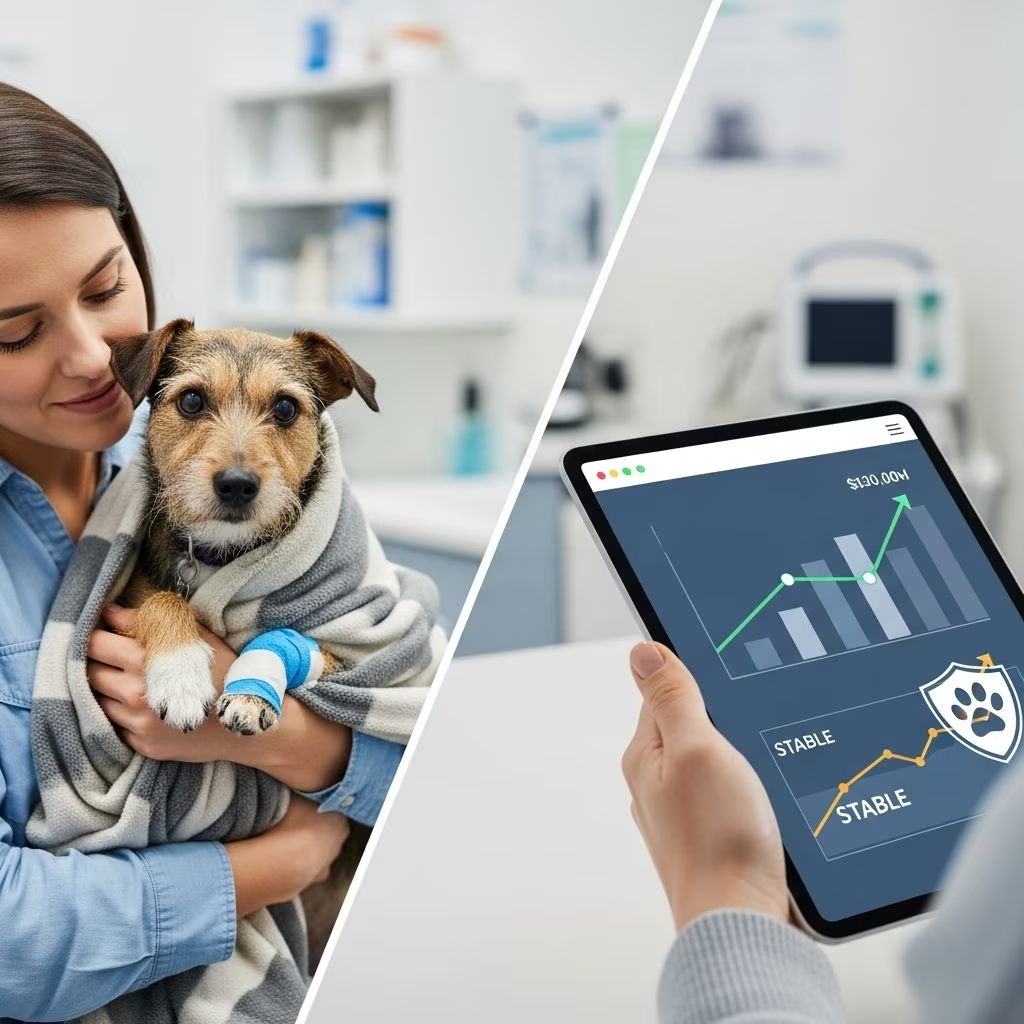
Pet insurance frequently includes provisions for emergency veterinary care, helping owners manage high costs associated with sudden injuries or illnesses in dogs and cats. These plans typically reimburse a significant portion of expenses for urgent treatments after accounting for deductibles and waiting periods, though specifics depend on the provider and policy selected.
Why Emergency Coverage Matters for Pet Owners
Unexpected veterinary emergencies can lead to bills ranging from hundreds to thousands of dollars, often exceeding $8,000 for severe cases involving surgery or hospitalization. Pet insurance acts as a financial safety net, allowing prompt treatment without delaying care due to cost concerns. By reimbursing 60-90% of eligible costs, these policies enable pet owners to focus on recovery rather than finances.
Statistics highlight the prevalence of such events: common household toxins, traffic accidents, and sudden illnesses strike pets regularly, underscoring the value of proactive coverage. Policies designed for accidents and illnesses provide broader protection than accident-only options, which exclude illness-related urgencies.
Common Pet Emergencies Covered by Insurance
Most comprehensive pet insurance plans cover a wide array of urgent situations. Here’s a breakdown of frequently reimbursed emergencies:
- Traumatic Injuries: Fractures, lacerations, sprains from falls, vehicle collisions, or fights.
- Toxicity Ingestion: Consumption of chocolate, medications, plants, or chemicals requiring immediate detoxification.
- Sudden Onset Illnesses: Severe vomiting, diarrhea, seizures, or infections demanding overnight monitoring.
- Surgical Interventions: Procedures for bloat, blockages, internal bleeding, or organ failures.
- Environmental Hazards: Heatstroke, hypothermia, snakebites, or allergic reactions.
- Diagnostic urgencies: Blockages in urinary, respiratory, or intestinal systems.
These scenarios often necessitate 24/7 emergency facilities, where licensed vets perform critical interventions covered under standard policies.
Expenses Typically Reimbursed in Emergencies
Beyond the emergency itself, insurance often extends to associated costs, ensuring holistic care. Key reimbursable items include:
| Expense Type | Description | Typical Coverage Notes |
|---|---|---|
| Diagnostics | X-rays, ultrasounds, bloodwork | Essential for accurate diagnosis; reimbursed post-deductible. |
| Hospitalization | Overnight stays, IV fluids | Supports stabilization; up to 90% reimbursement possible. |
| Surgery & Anesthesia | Emergency operations, specialists | Includes complications if medically necessary. |
| Medications | Prescriptions, pain management | Follow-up treatments often included. |
| Follow-up Care | Rehab, exams, counseling | Covered if linked to the initial emergency. |
Even end-of-life services like cremation or grief support may qualify under some plans, providing emotional and financial relief during tough times.
Navigating Policy Limitations and Exclusions
While coverage is robust, not everything qualifies. Pet owners must understand exclusions to avoid surprises:
- Pre-existing Conditions: Any issue manifesting before policy activation remains uncovered, even in emergencies.
- Waiting Periods: Coverage activates after 14-30 days, preventing immediate claims on enrollment.
- Breed or Age Restrictions: Hereditary issues in certain breeds or senior pets may face limits.
- Experimental Treatments: Unproven therapies fall outside standard reimbursements.
- Annual/Lifetime Caps: Policies set maximum payouts per incident or year.
Deductibles, co-insurance (owner’s share), and reimbursement rates (e.g., 80%) further shape out-of-pocket costs. For a $2,000 bill with $500 deductible and 80% reimbursement, owners pay $500 + 20% of $1,500 = $800, receiving $1,200 back.
How Claims Work for Emergency Vet Bills
The process is straightforward: pay upfront at any licensed vet or emergency clinic, then submit a claim. Providers like those offering nationwide flexibility allow visits anywhere in the U.S., submitting receipts, medical records, and invoices via app or mail. Reimbursements arrive within days to weeks, typically via direct deposit.
To illustrate a claim example:
- Pet ingests toxin; rush to ER for $3,500 treatment.
- Pay bill; photograph records.
- Submit claim online within policy timeline (often 30-90 days).
- After $250 deductible and 90% rate, receive $2,925 reimbursement (90% of $3,250).
Direct vet billing is emerging but not universal; always confirm policy details.
Choosing the Right Pet Insurance for Emergencies
Select plans based on your pet’s profile, budget, and risk factors. Prioritize comprehensive accident-and-illness coverage over accident-only. Key factors:
- Reimbursement Level: Aim for 80-90%.
- Deductible: $100-1,000; lower for frequent needs.
- No Direct Age/Breed Bans: Ensures eligibility.
- 24/7 Support: Hotlines for advice.
- Wellness Add-ons: Optional for routine care.
Compare quotes annually, as needs evolve with pet age. Policies without lifetime caps offer long-term security.
Real-World Cost Savings from Coverage
Without insurance, a broken bone might cost $2,000-$5,000; with 90% coverage post-$500 deductible, net cost drops to $500-$1,000. Bloat surgery ($5,000+) becomes manageable at $1,250 out-of-pocket. These savings compound over a pet’s life, often paying for the premium multiple times.
Owners report peace of mind, enabling decisions based on medical necessity rather than expense. In high-cost urban areas, coverage proves indispensable.
Frequently Asked Questions (FAQs)
Does pet insurance cover emergency visits at any vet?
Yes, most plans reimburse from any licensed veterinarian or emergency hospital nationwide, without network restrictions.
What if my pet has a pre-existing condition?
Emergencies tied to pre-existing issues are excluded; unrelated new events remain covered.
How soon does coverage start?
Waiting periods of 14 days for accidents and up to 6 months for some illnesses apply; review policy terms.
Are follow-up visits after an emergency covered?
Yes, if directly related and within policy guidelines.
Can I use insurance for specialty emergency care?
Absolutely, including surgeons and diagnostics at specialist centers.
Steps to Prepare for Pet Emergencies
Proactive measures enhance insurance effectiveness:
- Review and understand your policy annually.
- Keep emergency vet contacts handy.
- Pet-proof home against toxins and hazards.
- Maintain wellness exams to minimize pre-existing risks.
- Enroll young pets for lower premiums and no age barriers.
Ultimately, pet insurance transforms potential financial disasters into manageable events, prioritizing your companion’s health.
References
- Is emergency vet care covered by pet insurance? — Liberty Mutual. 2025. https://www.libertymutual.com/insurance-resources/pet/is-emergency-vet-care-covered-by-pet-insurance
- Does Pet Insurance Cover Emergency Visits? — Lemonade. 2025. https://www.lemonade.com/pet/explained/does-pet-insurance-cover-emergency-visits/
- Emergency Vet Visit Coverage — MetLife Pet Insurance. 2025. https://www.metlifepetinsurance.com/blog/pet-insurance/emergency-vet/
- Do Pet Insurance Plans Cover Emergency Visits? — Progressive. 2025. https://www.progressive.com/answers/pet-insurance-emergency-visits/
- Does Pet Insurance Cover Emergencies Surgeries? — Allstate. 2025-01. https://www.allstate.com/resources/pet-insurance/emergencies



