

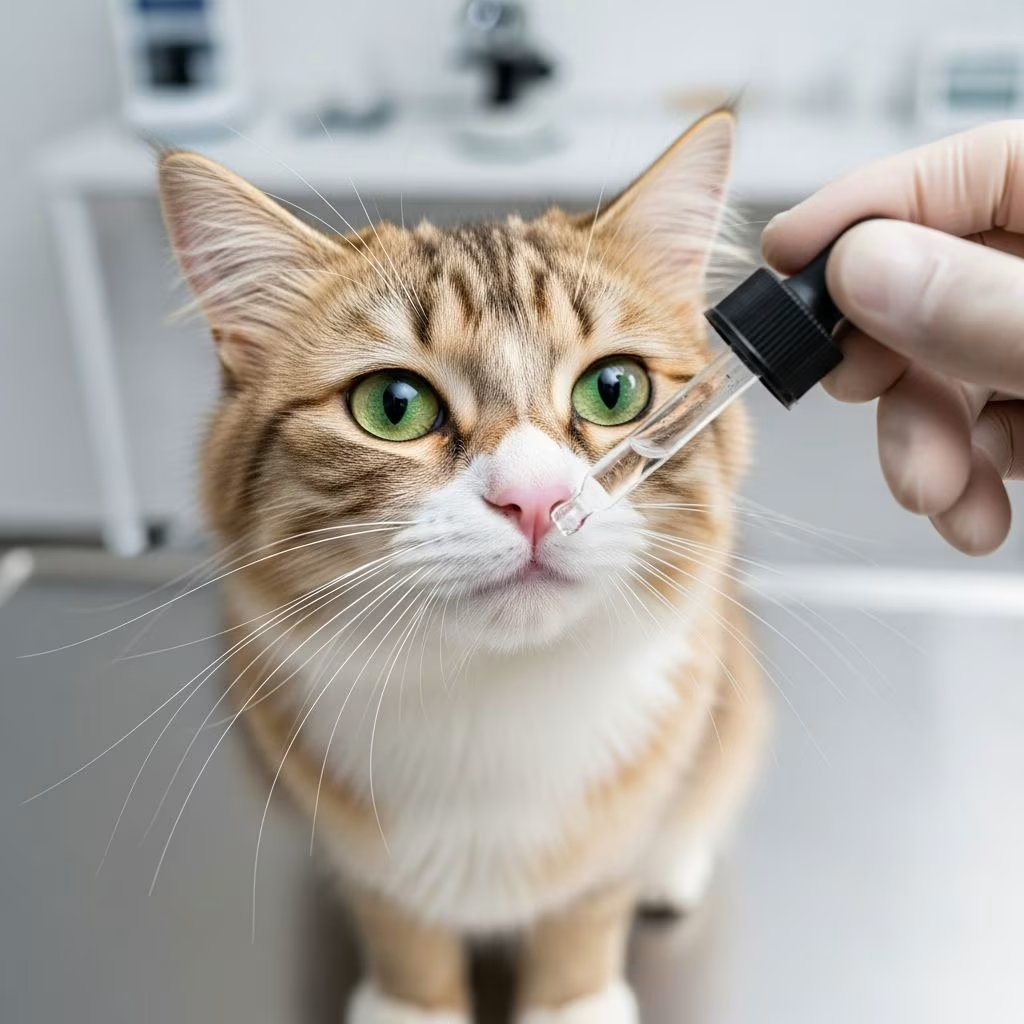
Pet insurance often covers allergy testing for dogs and cats when recommended by a veterinarian, helping pet owners manage costs that can exceed $1,000 per visit including exams and follow-up care. This coverage typically reimburses up to 90% of eligible expenses, making specialized diagnostics and treatments more accessible without pre-existing condition exclusions.
Understanding Pet Allergies: Signs and Prevalence
Allergies affect many dogs and cats, manifesting as chronic itching, skin infections, ear problems, and gastrointestinal issues that disrupt daily life. Environmental factors like pollen, dust mites, and mold trigger atopic dermatitis, the most common form, while flea bites cause intense reactions in sensitive pets. Food sensitivities, though less frequent, lead to digestive upset and skin irritations from proteins in diets.
Recognizing symptoms early is crucial: excessive scratching, red inflamed skin, hair loss, and recurrent hot spots signal potential allergies. Cats may groom excessively, leading to bald patches, while dogs chew their paws or rub against surfaces. These signs warrant a veterinary evaluation to rule out parasites or infections before allergy-specific testing.
Common Allergens Impacting Pets
Pets react to a variety of environmental substances tested in standard panels. Key allergens include:
- Indoor triggers: Dust mites, molds, and household chemicals that persist year-round.
- Outdoor pollen: From trees, grasses, and weeds, peaking seasonally.
- Flea saliva: Even a single bite can provoke severe dermatitis in allergic individuals.
- Contact irritants: Fabrics, cleaning products, or grooming shampoos.
Blood or skin tests screen for reactions to approximately 60 common items, guiding avoidance strategies and personalized therapies.
Allergy Testing Methods Explained
Veterinarians use two primary diagnostic approaches to pinpoint allergens accurately.
Serum Blood Testing
This non-invasive method draws a blood sample sent to a lab for analysis against allergen panels. Results identify IgE antibodies indicating sensitivity, available within days without sedation. Ideal for pets anxious about procedures, it costs $200-$400 depending on the panel’s comprehensiveness.
Intradermal Skin Testing
Performed by veterinary dermatologists, this gold-standard test shaves a chest patch and injects tiny allergen amounts under the skin. Wheal formation at sites reveals reactions, offering precise results for immunotherapy formulation. Sedation may be needed for wiggly patients, with costs ranging $275-$350 plus clinic fees.
| Test Type | Procedure | Pros | Cons | Avg. Cost |
|---|---|---|---|---|
| Serum Blood | Blood draw, lab analysis | Quick, no sedation | Less precise for some | $200-$400 |
| Intradermal | Skin injections, observation | Highly accurate | Time-intensive, sedation | $275-$350 |
Combining both tests enhances diagnostic reliability, especially for complex cases.
Financial Realities of Allergy Diagnostics and Care
Allergy workups quickly escalate: initial exams run $100-$300, testing adds $300+, and immunotherapy or medications push totals over $5,000 annually for severe cases, per insurance claims data. Routine visits for flare-ups compound expenses, underscoring insurance’s value in reimbursing 70-90% post-deductible.
Without coverage, pet owners face tough choices; with it, comprehensive plans handle diagnostics, specialist referrals, and ongoing management seamlessly.
Effective Treatments for Pet Allergies
Once identified, tailored plans alleviate symptoms and improve quality of life.
Immunotherapy: Building Tolerance
Allergy shots or sublingual drops expose pets to micro-doses of triggers, gradually desensitizing the immune system. Effective for 60-80% of atopic cases, relief starts in 3-6 months with lifelong maintenance. Costs $300-$1,000 yearly, often covered if not pre-existing.
Medications for Symptom Control
- Apoquel: Oral tablets for dogs over 1 year, rapidly reducing itch from environmental allergies. FDA-approved and reimbursable under prescription riders.
- Cytopoint: Monthly injections targeting itch proteins, safe for all ages, covered similarly.
- Antihistamines/Steroids: Short-term relief, with caution for long-term side effects.
Supportive Therapies
Dietary trials eliminate food allergens using novel proteins or hydrolysates for 8-12 weeks. Flea preventives are essential, as are medicated shampoos and environmental controls like air filters. Alternative options like acupuncture show promise in holistic policies.
Navigating Pet Insurance for Allergies
Most accident-and-illness policies cover testing and treatments if symptoms arise post-enrollment, excluding pre-existing conditions defined by prior treatment. Comprehensive providers reimburse diagnostics, dermatologist fees, medications, and shots nationwide.
Select plans with high reimbursement (80-90%), low deductibles, and prescription endorsements. Wellness add-ons may fund preventives, maximizing allergy management. Compare via quotes considering breed risks—Bulldogs and Retrievers prone to atopy.
Steps to Secure Coverage and Care
- Monitor for symptoms and consult your vet promptly.
- Enroll in insurance before issues emerge to avoid exclusions.
- Request allergy testing if recommended; submit claims promptly.
- Follow treatment protocols diligently for best outcomes.
- Review policy annually for updates or breed-specific needs.
Frequently Asked Questions
Does pet insurance cover allergy testing?
Yes, if vet-recommended and not pre-existing, plans like Fetch reimburse up to 90%.
How much does dog allergy testing cost?
$200-$400 for blood tests, $275-$350 for skin tests, plus exam fees potentially totaling $1,000+.
Are allergy shots covered by pet insurance?
Typically yes, under illness coverage for immunotherapy post-diagnosis.
Can cats get allergy testing?
Absolutely, using the same blood or skin methods tailored to feline allergens.
What if allergies are pre-existing?
Not covered; waiting periods (14-30 days) apply to new policies.
Choosing the Right Policy for Allergy-Prone Pets
Prioritize providers with unlimited lifetime payouts, no breed caps, and direct vet payment options. Real claims show pets receiving $5,000+ in allergy reimbursements, affirming coverage reliability. User reviews highlight ease, with ratings like ‘Excellent’ on Trustpilot.
For multi-pet homes or chronic conditions, bundle policies save 5-10%. Always verify dermatology networks for specialists.
References
- Will Fetch Pet Insurance cover allergy testing? — Fetch Pet Insurance. 2023. https://www.fetchpet.com/the-dig/will-fetch-pet-insurance-cover-allergy-testing
- Does Pet Insurance Cover Allergy Shots & Testing? — Embrace Pet Insurance. 2024. https://www.embracepetinsurance.com/research/pet-insurance-allergy-coverage-shots-testing-cytopoint-apoquel
- Allergy Test — Pawlicy Advisor. 2024. https://www.pawlicy.com/dictionary/allergy-test/
- Does pet insurance cover allergies? — Paw Protect. 2024. https://www.pawprotect.com/pet-insurance/cover-pet-allergies/
- Allergies in Dogs: Symptoms, Causes, & Treatment — MetLife Pet Insurance. 2023. https://www.metlifepetinsurance.com/blog/pet-health/symptoms-and-triggers-of-allergies-in-dogs/



