
Pet Inforx: Veterinary Tech Horizons
Discover emerging veterinary technologies poised to redefine pet healthcare through AI, wearables, and telemedicine innovations.
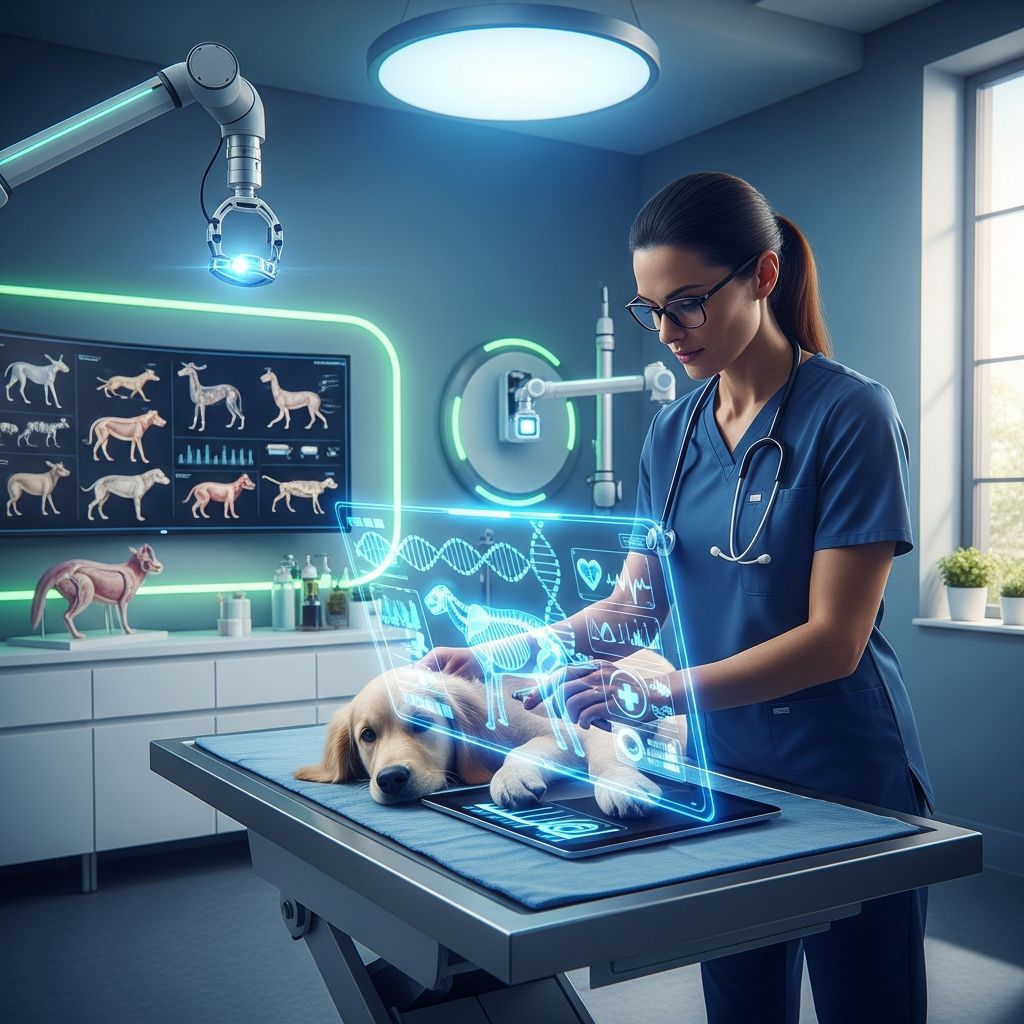
The landscape of veterinary medicine is undergoing a profound transformation driven by technological advancements. As we move into 2026, innovations in artificial intelligence, wearable devices, and remote care tools are set to elevate pet health management to unprecedented levels. These developments not only streamline diagnostic processes but also empower pet owners with real-time insights, fostering preventive care and personalized treatment strategies.
Revolutionizing Diagnostics with Artificial Intelligence
Artificial intelligence is at the forefront of veterinary diagnostics, offering tools that analyze medical images and predict health outcomes with high precision. AI systems excel in interpreting radiographs, ultrasounds, and CT scans, identifying anomalies that might escape human detection. Machine learning models process vast datasets to forecast disease progression, enabling tailored interventions that improve recovery rates.
Beyond imaging, AI enhances pain evaluation through facial recognition and motion tracking software. These objective metrics supplement subjective scales, ensuring accurate pain management for animals unable to verbalize discomfort. In practice, 48% of veterinary clinics report using AI for documentation and diagnostics, with 75% noting efficiency gains. This integration positions AI as a supportive partner to veterinarians, augmenting rather than replacing professional expertise.
Portable Tools Bringing Advanced Care to the Field
Mobility defines the next era of diagnostics with compact devices like point-of-care ultrasound units, handheld blood analyzers, and digital radiography systems. These tools enable on-site testing during house calls or in remote areas, proving invaluable for large animal care and emergencies. Their portability reduces the need for clinic transport, minimizing animal stress and expediting treatment.
- Handheld ultrasound: Provides immediate imaging for soft tissue assessment.
- Blood analyzers: Deliver instant hematology and chemistry results.
- Mobile X-ray: Captures high-quality images without fixed equipment.
Such innovations democratize access to sophisticated diagnostics, particularly in underserved regions, aligning with the 90% adoption rate of digital imaging in practices.
Wearable Devices: Continuous Monitoring for Pets
Smart collars and harnesses represent a leap in pet health surveillance, tracking vital signs including heart rate, respiration, temperature, activity, and sleep patterns. Devices like PetPace and Fi collars detect irregularities such as abnormal heartbeats or behavioral shifts, alerting owners and veterinarians promptly.
These wearables facilitate early detection of conditions like joint issues or metabolic disorders by analyzing trends over time. Integration with apps allows data syncing to veterinary records, supporting proactive wellness plans. The pet wearables market, holding 45.3% share in 2025, underscores their growing dominance.
| Device Feature | Health Metric | Benefit |
|---|---|---|
| Vital Signs Monitoring | Heart rate, respiration, temperature | Early illness detection |
| Activity Tracking | Steps, sleep, behavior | Personalized fitness plans |
| GPS & Alerts | Location, anomalies | Safety and rapid response |
Telemedicine: Virtual Consultations Redefined
Veterinary telemedicine has evolved into a cornerstone of accessible care, featuring high-definition video, AI triage chatbots, and seamless record integration. Pet owners can conduct virtual exams for non-emergencies, with remote tools linking wearables and mobile imaging for comprehensive assessments.
By 2026, these platforms are standard, offering convenience for routine check-ups or symptom monitoring. Enhanced connectivity and AI diagnostics ensure reliable virtual evaluations, reducing unnecessary visits while maintaining care quality.
3D Printing: Precision in Surgery and Prosthetics
Three-dimensional printing customizes surgical solutions, producing patient-specific implants, guides, and anatomical models for preoperative rehearsal. In orthopedics and reconstructions, this technology shortens procedures, boosts accuracy, and enhances outcomes by allowing vets to simulate complex interventions.
Custom prosthetics for amputees exemplify its potential, fitting uniquely to individual anatomies for optimal mobility. This approach minimizes risks and recovery times, marking a shift toward highly individualized surgery.
Smart Feeding and Hydration Systems
Automated feeders and water fountains with AI analytics monitor consumption patterns, flagging issues like reduced intake indicative of urinary or kidney problems. Features include portion control, sanitation, and behavioral data collection, aiding nutritional management.
- AI wet food dispensers: Track eating habits and clean residues.
- Intelligent fountains: Analyze drinking volume with camera oversight.
- Interactive elements: Promote engagement while gathering metrics.
These devices support preventive nutrition, integrating with wearables for holistic health oversight.
Cloud-Based Practice Management and Workflow Optimization
Cloud software streamlines operations with electronic records, scheduling, and client communication. AI-assisted SOAP notes and diagnostics further efficiency, as seen in widespread adoption. This digital backbone enables data-driven decisions, from inventory to personalized care plans.
Practices leveraging these tools report substantial productivity boosts, positioning them to handle rising demands without proportional staff increases.
Integrating Technologies for Holistic Pet Care
The synergy of AI, wearables, telemedicine, and portable diagnostics creates comprehensive ecosystems. Data from collars feeds into AI platforms for predictive analytics, while telemedicine delivers insights remotely. This interconnected approach promotes prevention over reaction, extending pet lifespans and quality of life.
Challenges include data privacy, interoperability, and training, yet benefits outweigh hurdles. Veterinary practices adopting these holistically will lead in client satisfaction and outcomes.
Frequently Asked Questions
What are the most promising veterinary tech trends for 2026?
Key trends include AI diagnostics, pet wearables, telemedicine, portable equipment, and 3D printing, all enhancing accuracy and accessibility.
Do pet wearables replace regular vet visits?
No, they complement visits by providing continuous data for informed discussions, not substituting professional exams.
How does AI improve veterinary diagnostics?
AI analyzes images rapidly, detects subtle issues, and predicts outcomes, serving as a decision-support tool.
Is veterinary telemedicine reliable for my pet?
Yes, for suitable cases, with advanced video and AI integration ensuring effective remote assessments.
What role does 3D printing play in pet surgery?
It enables custom models and implants, improving precision and reducing surgical risks.
References
- 7 New Technologies Veterinary Professionals Should Know About in 2026 — IVC Journal. 2026. https://ivcjournal.com/7-new-technologies-veterinary-professionals-should-know-about-in-2026/
- Pet Tech of 2026: Gadgets That Could Transform Veterinary Care — Shilohs Vet. 2025-12-10. https://www.shilohsvet.com/blog/pet-tech-of-2026-gadgets-that-could-transform-veterinary-care/
- The Future of Pet Care: Veterinary Tech Trends to Watch in 2026 — Sky Canyon Animal Hospital. 2026. https://www.skycanyonanimalhospital.com/blog/the-future-of-pet-care-veterinary-tech-trends-to-watch-in-2026/
- Revolutionizing Care: Top Pet Industry Innovations to Watch in 2026 — Revelation Pets. 2026. https://www.revelationpets.com/blog/top-pet-industry-innovations-to-watch-in-2026
- Top Veterinary Technology Trends for 2026 Every Practice Should Know — MKR CPAs. 2026. https://mkrcpas.com/top-veterinary-technology-trends-for-2026-every-practice-should-know/
- 2026 State of General Practice Veterinary Care Overview — Instinct Vet. 2026. https://instinct.vet/blog/2026-state-of-general-practice-veterinary-care-overview/
- 10 Areas to Watch in the Evolution of Veterinary Technology — Covetrus Software. 2026. https://software.covetrus.com/apac/veterinary-insights/article/practice-solutions/10-areas-to-watch-in-the-evolution-of-veterinary-technology/
Similar Articles








Read full bio of Sneha Tete


