

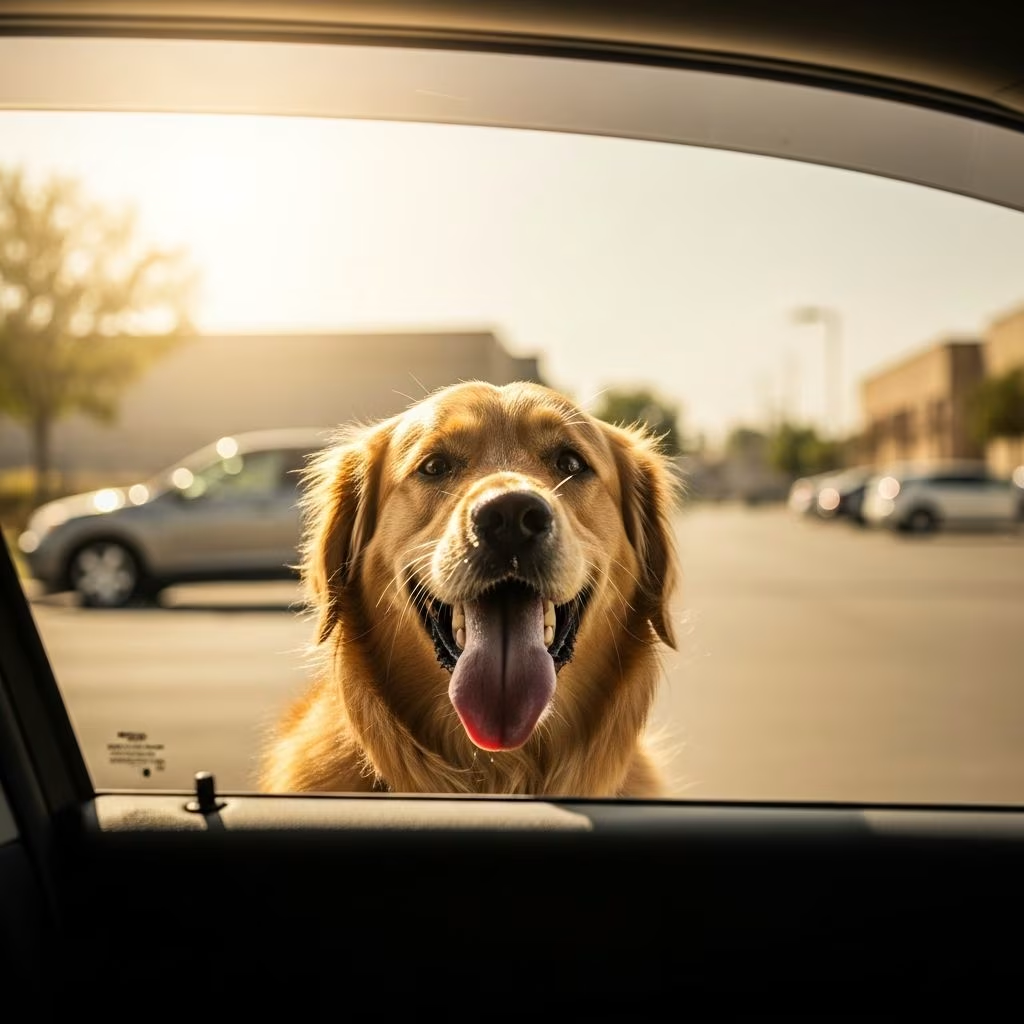
Pets left in parked cars face lethal risks from extreme temperatures, even on mild days. Rapid heat buildup can cause heatstroke, organ failure, or death within minutes, making swift intervention critical for bystanders.
The Hidden Dangers of Parked Cars for Pets
Vehicle interiors transform into ovens quickly due to the greenhouse effect, where sunlight trapped by glass and metal causes temperatures to soar far beyond outdoor levels. On a 70°F day, a car’s interior can hit 100°F in under 20 minutes, regardless of cracked windows. This myth persists, but studies confirm minimal airflow from open windows fails to prevent deadly heat accumulation.
Dogs and cats lack efficient sweat glands—panting is their main cooling method, which overloads in confined, hot spaces. Signs include excessive drooling, lethargy, vomiting, seizures, or collapse. Brain damage occurs above 106°F body temperature, often irreversible without prompt cooling. Vulnerable groups like brachycephalic breeds (e.g., Bulldogs, Pugs), seniors, puppies, and overweight pets succumb fastest.
| Outdoor Temp (°F) | Car Interior After 10 Min (°F) | After 30 Min (°F) |
|---|---|---|
| 70 | 89 | 104 |
| 80 | 99 | 114 |
| 90 | 109 | 124 |
Recognizing Heat Distress in Pets
- Heavy, rapid panting with tongue extended far and bright red.
- Glazed or unfocused eyes, disorientation, or stumbling.
- Excessive drooling or foaming at the mouth.
- Weakness or collapse, rapid heartbeat felt via chest palpation.
- Gums or tongue deep red/purple, vomiting, or diarrhea.
Act on early signs; delay means fatality. Even calm pets show stress through whining or clawing at doors.
Step-by-Step: What to Do If You Spot a Pet in Distress
- Assess quickly: Note vehicle details—license plate, location, color, model. Check for owner nearby.
- Alert authorities immediately: Call local animal control, police non-emergency (911 if imminent death), or humane society. Provide precise location, pet description, and condition. Many areas empower civilians for rescues with “Good Samaritan” protections.
- Attempt contact: Politely ask nearby businesses or passersby if they know the owner. Announce loudly if owner returns.
- Legal rescue if trained: In 20+ U.S. states, laws allow breaking windows for severe distress if police authorize or imminent harm exists. Use tools like window breaker; target rear passenger side to avoid airbag. Remove pet gently, cool immediately.
- Post-rescue care: No cold water dunks—use room-temp water mist, wet towels on neck/armpits/groin, fan airflow. Offer water if alert; rush to vet.
Your Legal Rights to Intervene
Pet rescue laws vary but trend toward protection. California’s AB 1553 (2019) shields rescuers from liability if acting reasonably. Texas, Florida, and others permit entry for heat emergencies. Check local codes via animal control. Document everything—photos, witness contacts—to defend actions. Courts prioritize life-saving over property in dire cases.
Preventing the Problem: Safe Pet Travel Practices
Leave pets home when possible; errands rarely justify risks. If traveling:
- Secure properly: Back seat only—no front due to airbags. Use crash-tested harnesses or carriers anchored to seat belts. Avoid leashes alone—they choke in crashes.
- Climate control: AC on high, never off. Park in shade or garages.
- Breaks and hydration: Stop every 2 hours for walks, water. Acclimate to travel to curb motion sickness.
- No heads out windows: Debris causes eye/ear injuries; ejection risk in stops.
- ID always: Collars with home and travel addresses.
A 60-lb dog at 35 mph becomes a 2,100-lb projectile unrestrained, endangering all. Mesh barriers help but crash-test certified gear is essential.
Year-Round Risks Beyond Summer Heat
Winter traps pets too—hypothermia from -20°F interiors on 20°F days. Theft, escape, or CO poisoning from exhaust add dangers. Never leave alone, anytime.
Case Studies: Real-Life Lessons
In 2023, Phoenix rescuers saved a Labrador from 115°F car lethargy via authorized window break—vet confirmed near-fatal heatstroke. Contrast: Delayed response in Atlanta led to a Chihuahua’s death in 10 minutes on 75°F day. Statistics: ASPCA reports 20+ pet heat deaths weekly in peak summer.
FAQs
Is cracking windows enough ventilation?
No—interior temps still rise lethally fast.
How long before heatstroke sets in?
7-15 minutes on warm days for small pets.
Can I legally break a car window?
Yes in many states if pet shows distress and authorities are notified.
What if the pet looks fine?
Err on caution—heavy panting signals early distress.
Best restraints for road trips?
Center for Pet Safety-certified harnesses/carriers.
Community Action and Advocacy
Push for stricter laws—join campaigns by Humane Society or ASPCA. Educate via social shares, neighborhood watches. Businesses: Post “No Pets in Cars” signs.
Pet ownership demands vigilance. Spot a suffering animal? Your action saves lives.
References
- Keeping Pets Safe in the Car — AAA. 2023. https://www.ace.aaa.com/publications/auto/how-to-keep-pets-safe-in-the-car.html
- Keeping Pets Safe Inside a Car — Kars4Kids. 2024. https://www.kars4kids.org/hub/keeping-pets-safe-inside-a-car/
- Don’t Leave Your Pet in a Parked Car — Humane Society. 2022-01-15. https://www.humaneworld.org/sites/default/files/docs/unattended-pets-hot-parked-car.pdf
- Dog Car Safety: Leaving Dogs in Cars — The Dog Stop. 2024. https://thedogstop.com/blog/1098495-vehicle-safety-tips-for-your-pet
- The Dangers of Leaving an Animal in a Hot Car — ASPCA. 2023-06-20. https://www.aspca.org/news/dangers-leaving-animal-hot-car-and-other-heat-related-hazards
- Children, Pets and Vehicles — National Weather Service. 2025. https://www.weather.gov/safety/heat-children-pets



