

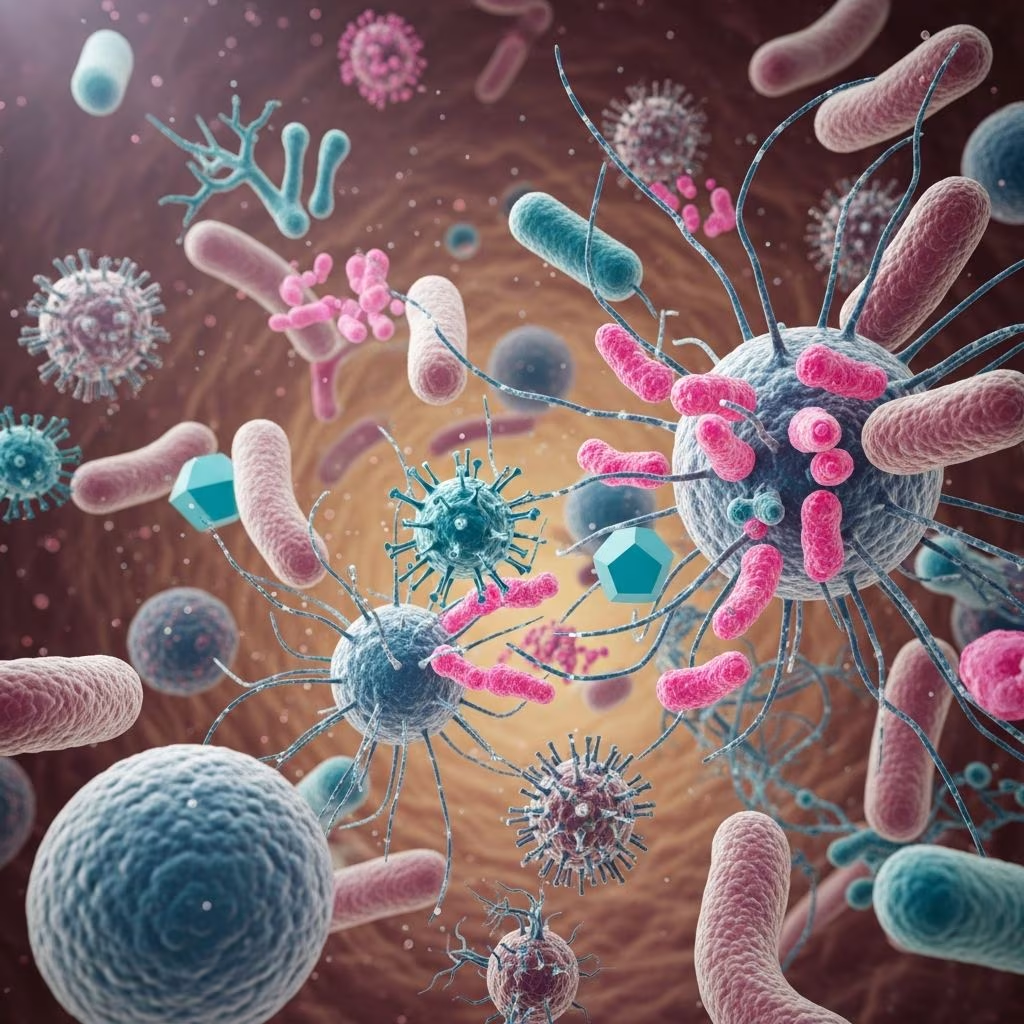
Pets rely on a sophisticated array of defenses to protect against invading pathogens like bacteria, viruses, and parasites. These mechanisms form a multi-layered system that prevents most infections from taking hold, ensuring the health and vitality of companion animals.
Primary Physical Barriers in Pets
The outermost line of protection for pets consists of physical and chemical barriers that block pathogens at the entry points. Healthy skin serves as the first impenetrable shield, its tough keratin layer and slightly acidic surface discouraging microbial growth. In dogs and cats, the skin’s natural oils and resident bacteria create a competitive environment where harmful invaders struggle to establish themselves.
Mucous membranes lining the respiratory, digestive, and reproductive tracts provide another critical barrier. In the nasal passages and lungs of pets, cilia—tiny hair-like structures—constantly sweep mucus upward, trapping dust, allergens, and microbes before they can descend into the lungs. This mucociliary escalator expels potential threats through coughing, sneezing, or swallowing, effectively neutralizing airborne dangers.
- Skin integrity: Prevents breaches that could allow bacteria entry, especially important in breeds with thin or folded skin.
- Mucus production: Coats surfaces to entrap pathogens in the mouth, throat, and intestines.
- Acidic environments: Stomach acid in pets destroys many ingested microbes, acting as a digestive firewall.
Gut microbiota play a starring role here too. The diverse bacterial community in a pet’s intestines occupies space and resources, outcompeting pathogenic bacteria for attachment sites on the intestinal wall. Disruptions like antibiotic use can weaken this defense, highlighting the need for probiotic support in veterinary care.
Chemical and Antimicrobial Guardians
Beyond structure, pets deploy chemical weapons. Lysozyme in tears, saliva, and nasal secretions breaks down bacterial cell walls, while antimicrobial peptides like defensins puncture pathogen membranes. In the small intestine, Paneth cells secrete cryptdins that target bacteria and fungi, safeguarding this nutrient-rich zone.
Surfactant proteins in the lungs of cats and dogs bind to microbes, marking them for destruction by immune cells. These molecules enhance phagocytosis, where white blood cells engulf and digest invaders. Such innate chemicals provide immediate, broad-spectrum protection without needing prior exposure to the threat.
| Barrier Type | Key Components | Pet Examples |
|---|---|---|
| Skin & Mucosa | Keratin, acids, oils | Dog paws, cat whiskers area |
| Respiratory | Cilia, mucus, lysozyme | Lung alveoli, nasal passages |
| Gastrointestinal | Acid, defensins, microbiota | Stomach, Paneth cells in intestines |
Innate Immunity: The Rapid Response Team
When barriers fail, innate immunity activates swiftly. Tissue-resident macrophages—sentinel cells patrolling organs—detect pathogen-associated molecular patterns (PAMPs) via Toll-like receptors (TLRs). These sensors recognize common microbial features like bacterial lipopolysaccharides or viral RNA, triggering cytokine release.
This alarm summons neutrophils and more macrophages to the site, initiating inflammation. Vasodilation increases blood flow, causing redness and heat, while increased permeability allows plasma proteins and cells to extravasate into tissues. Complement proteins opsonize pathogens, coating them to enhance phagocytosis, and form membrane attack complexes that lyse bacteria.
Fever, a hallmark sickness response, raises body temperature to inhibit pathogen replication while boosting immune cell activity. In pets, this can manifest as lethargy or reduced appetite, signaling the body’s hard-wired battle against infection.
The Power of Inflammation in Pets
Inflammation is a double-edged sword: essential for containment yet potentially damaging if prolonged. In pets, it walls off infections via clotting and recruits effectors like histamines and prostaglandins. Neutrophils arrive first, releasing antimicrobial granules and forming NETs (neutrophil extracellular traps) to ensnare bacteria.
Macrophages follow, phagocytosing debris and presenting antigens to bridge innate and adaptive responses. Programmed cell death (apoptosis) in infected cells prevents viral spread, akin to plant hypersensitive responses but regulated by animal mitochondria.
- Neutrophils: Quick responders with oxidative bursts.
- Macrophages: Clean-up crew and antigen presenters.
- Complement: Amplifies killing and chemotaxis.
Adaptive Immunity: Precision and Memory
The adaptive arm offers specificity and longevity. Lymphocytes—B and T cells—undergo clonal selection upon antigen encounter. Helper T cells coordinate responses, cytotoxic T cells destroy infected cells, and B cells produce antibodies that neutralize pathogens.
Memory cells persist post-infection, enabling rapid recall upon re-exposure. Vaccinations exploit this by mimicking infection without disease, priming pets against rabies, distemper, or parvovirus. Without adaptive immunity, pets face dire outcomes from routine pathogens.
Common Vulnerabilities in Pets
Breeds with genetic predispositions, like short-nosed dogs (brachycephalics), suffer impaired mucociliary clearance, increasing respiratory risks. Puppies and seniors have immature or waning immunity, necessitating vigilant care. Stress, poor nutrition, and comorbidities erode defenses, allowing opportunistic infections.
Parasites evade via cysts or immune suppression, underscoring multifaceted threats. Owners can bolster immunity through balanced diets rich in omega-3s, antioxidants, and prebiotics.
Supporting Your Pet’s Defenses
Preventive strategies enhance natural protections. Regular grooming maintains skin health, dental care reduces oral bacteria, and parasite control targets vectors. Vaccinations and titer testing optimize adaptive responses. When infections arise, early veterinary intervention prevents escalation.
| Support Strategy | Benefits | Implementation |
|---|---|---|
| Nutrition | Boosts microbiota, antioxidants | High-quality kibble with probiotics |
| Vaccinations | Memory cell induction | Core vaccines per schedule |
| Hygiene | Barrier maintenance | Bathing, flea prevention |
Frequently Asked Questions (FAQs)
What are the first signs of immune compromise in pets?
Recurrent infections, slow wound healing, or chronic diarrhea signal weakened defenses. Consult a vet for bloodwork.
How do vaccines work in pet immunity?
They stimulate adaptive memory cells without causing disease, providing long-term protection against specific pathogens.
Can diet influence a pet’s infection resistance?
Yes, nutrients supporting gut health and antioxidants strengthen barriers and innate responses.
Why do some pets get frequent UTIs?
Female anatomy shortens the urethra, and stress disrupts mucosal immunity, allowing bacterial ascent.
Is inflammation always bad for pets?
No, acute inflammation fights infection; chronic cases need treatment to avoid tissue damage.
Advanced Insights: Cross-Kingdom Parallels
Pet defenses mirror plant innate systems, with leucine-rich repeats detecting effectors. NOD-like proteins in animals sense intracellular threats, evolving convergent strategies against shared pathogens.
In pets, type III secretion effectors from bacteria like Yersinia trigger NOD responses, highlighting indirect virulence detection. This underscores evolutionary conservation, informing novel therapies.
Damage control extends beyond killing; tolerance mechanisms limit pathology, as in thicker epithelia resisting nematodes or rapid cell replacement countering anemia.
References
- Biology of the Immune System in Animals — MSD Veterinary Manual. 2023. https://www.msdvetmanual.com/immune-system/the-biology-of-the-immune-system/biology-of-the-immune-system-in-animals
- Common defences — PMC – NIH. 2003-11-17. https://pmc.ncbi.nlm.nih.gov/articles/PMC1369097/
- The front line of host defense – Immunobiology — NCBI Bookshelf. 2001. https://www.ncbi.nlm.nih.gov/books/NBK27105/
- Animal Defenses against Infectious Agents: Is Damage Control More … — PLOS Biology. 2007-02-27. https://journals.plos.org/plosbiology/article?id=10.1371/journal.pbio.1000004
- 3 Levels of Immune Defense — MicroBasics. 2023. https://shop.microbasics.com/blogs/news/3-levels-of-immune-defense
- The Immune System — Iowa State University Digital Repository. 2023. https://dr.lib.iastate.edu/items/6a77df31-77f0-4f19-b575-40bdf55a1775



