Understanding Pet Identification: What You Need to Know
Explore comprehensive pet ID options to keep your furry friend safe and secure
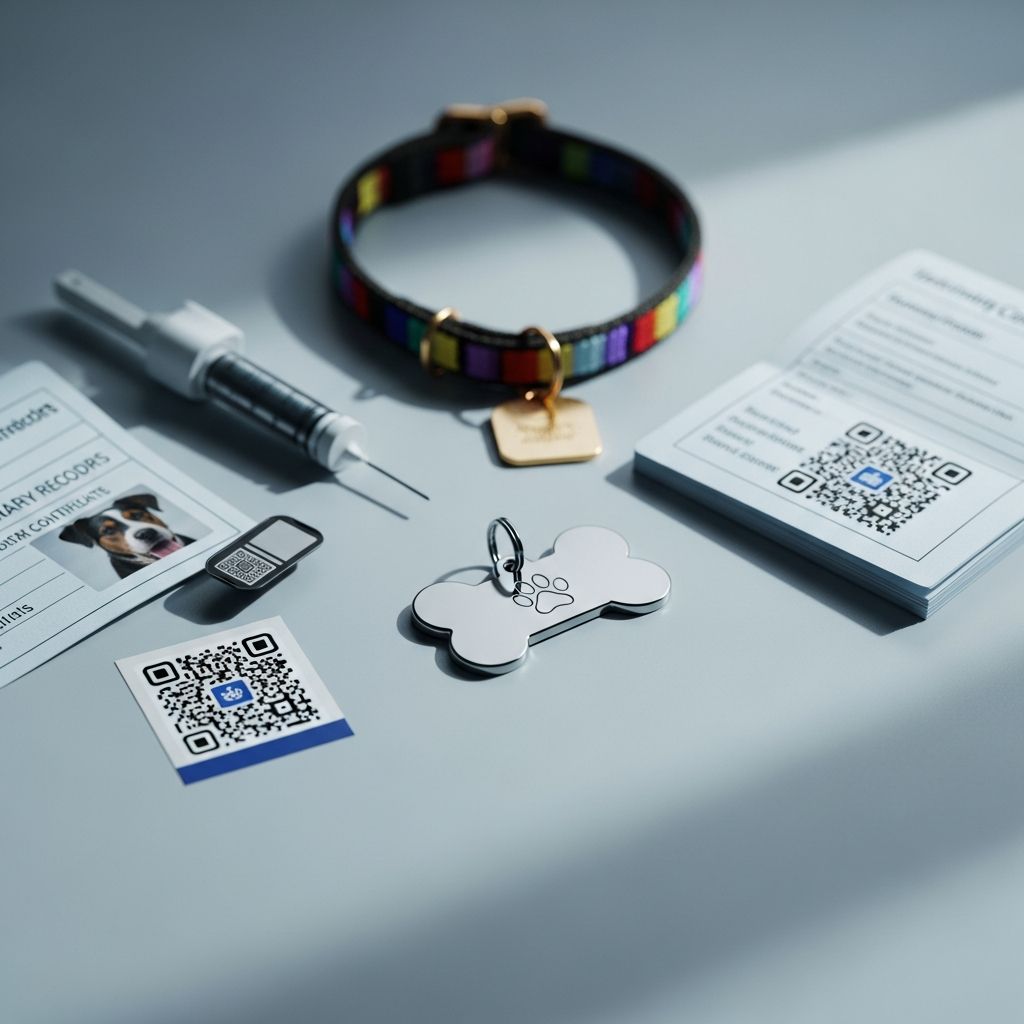
When your beloved canine companion wanders away from home, having proper identification can mean the difference between a quick reunion and a prolonged heartbreak. Pet identification systems have evolved significantly over the years, offering multiple layers of protection for your furry family member. Whether you rely on traditional methods or embrace modern technology, understanding the various identification options available is essential for every responsible pet owner.
The Importance of Multiple Identification Methods
Many pet owners believe that having one form of identification is sufficient, but experts recommend implementing a multi-layered approach to pet security. This strategy ensures that if one identification method fails or becomes unavailable, alternative options can still help reunite you with your dog. The combination of visible tags, microchip technology, and updated registration creates a comprehensive safety net that significantly increases the chances of recovery if your pet ever gets lost.
Think of pet identification as an insurance policy for your dog’s safety. Just as you wouldn’t rely on a single insurance coverage for your home or vehicle, relying on just one identification method leaves your pet vulnerable. Different situations call for different identification approaches, and having multiple options in place ensures comprehensive protection.
Microchip Technology: Your Dog’s Permanent Identity Card
A microchip represents one of the most innovative advances in pet recovery technology. This tiny electronic device, approximately the size of a grain of rice, contains a unique identification number and uses passive Radio Frequency Identification (RFID) technology to communicate with scanning devices. Unlike GPS trackers or other active devices, microchips require no batteries, no charging, and no maintenance throughout your dog’s lifetime.
The microchip itself is housed in a biocompatible glass capsule containing a miniature integrated circuit and an antenna coil. When a veterinary clinic or animal shelter scans your dog using a universal microchip scanner, the device emits low-frequency radio waves that temporarily activate the passive chip. This activation allows the microchip to transmit its unique identification number back to the scanner display. The entire scanning process takes only seconds and causes no discomfort to your pet.
How Microchip Implantation Works
The microchip implantation procedure is straightforward and minimally invasive. Your veterinarian uses a specialized needle to insert the chip just under the loose skin between your dog’s shoulder blades, an area that provides optimal placement for scanning. The procedure is comparable in invasiveness to a standard vaccination and can typically be completed during a routine veterinary visit. Once implanted, the microchip remains in place permanently, with a functional lifespan exceeding twenty years.
The process involves several key steps:
- Implantation: The microchip is inserted subcutaneously using a specialized syringe between the shoulder blades
- Activation: The chip becomes immediately functional upon implantation with no additional steps required
- Registration: Owner information is entered into a national pet identification database associated with the microchip brand
- Documentation: You receive paperwork confirming the chip number and registration details
- Verification: You can verify successful implantation through follow-up registration confirmation
Understanding Microchip Registration and Databases
The true power of microchip technology lies not in the chip itself, but in the registration process that links the chip number to your contact information. A functional RFID system requires three core components working together: the microchip, a compatible reader device, and a comprehensive database that connects the chip number to pet owner information.
When your dog receives a microchip, the chip contains only a unique identification number—no personal information, medical records, or other data is stored on the chip itself. Instead, your contact details are securely maintained in a centralized database managed by the microchip registry. When shelter staff or veterinary personnel scan your dog, they obtain only the identification number. They then contact the appropriate registry using this number to retrieve your contact information from the database.
This database-dependent system operates continuously, providing pet recovery services twenty-four hours a day, seven days a week, even during nights, weekends, and holidays. The centralized approach ensures that regardless of when or where your dog is found, any shelter or veterinary clinic can access your current contact information to facilitate rapid reunification.
Key Registration Responsibilities
Implanting a microchip without completing the registration process renders the technology essentially useless. Pet owners must take the following steps to ensure their microchip system functions effectively:
- Complete Initial Registration: Submit all required information to the microchip registry immediately after implantation
- Verify Information Accuracy: Double-check that all contact details have been entered correctly in the database
- Maintain Current Information: Update your contact information whenever you change phone numbers, email addresses, or physical addresses
- Monitor Registration Status: Periodically verify that your information remains current in the database using lookup tools
- Understand Your Registry: Know which registry company manages your microchip and how to contact them if needed
The Role of Microchip Scanners in Pet Recovery
Universal microchip scanners represent the second essential component of the microchip identification system. These devices are standard equipment at veterinary clinics and animal shelters throughout North America. When a lost dog arrives at a shelter or veterinary facility, staff members use these universal scanners to check for microchip identification.
The scanning process is non-invasive and painless for your pet. The scanner operator simply passes the device over the area where the microchip is implanted. If a microchip is present, the scanner detects the radio waves emitted by the chip and displays the unique identification number on the scanner’s screen. This rapid identification process enables shelter staff to immediately contact the appropriate microchip registry to retrieve the owner’s information.
Comparing Identification Methods
| Identification Method | Visibility | Permanence | Technology | Maintenance | Cost |
|---|---|---|---|---|---|
| Traditional ID Tags | Highly visible | Temporary (can be lost) | Engraved information | Periodic replacement | Low |
| Microchip | Not visible externally | Permanent (20+ years) | Passive RFID | None required | Moderate |
| GPS Trackers | External device visible | Depends on hardware | Active GPS/cellular | Battery charging required | High |
| Tattoos | Visible if placed on ear | Semi-permanent | Visual identification | Can fade over time | Moderate |
Why Microchips Are Not GPS Trackers
A common misconception among pet owners is that microchips function as GPS trackers, providing real-time location information about your dog’s whereabouts. This misunderstanding often leads to disappointment when pet owners discover that their microchip cannot show them where their lost dog is currently located.
Microchips are passive identification devices, not active tracking systems. They contain no power source and cannot emit signals independently. The chip can only respond to external radio waves emitted by a scanner, making it impossible for the chip to broadcast location data to you via smartphone or other device. Instead, microchips serve as a permanent identification tool that enables rapid reunification once your dog reaches a facility equipped with a scanner, such as a shelter or veterinary clinic.
For pet owners seeking real-time tracking capabilities, GPS trackers and cellular-based tracking devices represent a different category of pet technology. These active devices do require batteries and regular charging but offer the ability to monitor your dog’s location in real time through mobile applications and online platforms.
Best Practices for Pet Identification Security
Maximizing the effectiveness of your pet identification system requires diligence and ongoing attention. Consider implementing the following best practices to ensure your dog can be quickly reunited with you if lost:
- Maintain Visible ID Tags: Ensure your dog always wears current identification tags on a collar or harness, as these provide immediate visible identification
- Register Your Microchip Immediately: Complete microchip registration within days of implantation rather than delaying this critical step
- Update Information Promptly: Whenever your contact information changes, update your details in the microchip registry without delay
- Verify Registration Accuracy: Periodically use microchip lookup tools to confirm that your contact information is correctly entered in the database
- Keep Microchip Records: Maintain documentation of your microchip number and registry information in an easily accessible location
- Inform Trusted Contacts: Provide your dog’s microchip number and registry information to family members or trusted friends who might assist in recovery
- Consider Backup Identification: Combine microchip technology with additional identification methods to create redundant systems
Addressing Common Questions About Pet Identification
What information does a microchip actually store?
The microchip itself contains only a unique identification number consisting of nine to fifteen digits. Your personal information, your dog’s name, medical records, and other details are stored separately in the registry database, not on the chip itself. This distinction is important because it means the registry information must remain current and accurate for the system to function.
Can I track my dog’s location using a microchip?
No, microchips cannot provide real-time location tracking. They are passive identification devices that respond only when scanned by compatible equipment at veterinary facilities or shelters. If you need location tracking capability, you must use separate GPS or cellular tracking devices designed specifically for that purpose.
How much does microchipping cost?
Microchip implantation typically costs between fifty and one hundred fifty dollars, depending on your veterinarian and geographic location. Registration fees, if any, are usually minimal or incorporated into the implantation cost. Many animal shelters and rescue organizations offer discounted microchipping services to promote pet identification.
How long does a microchip last?
Once implanted, a microchip has a functional lifespan exceeding twenty years. Since most dogs live significantly shorter lifespans, the microchip will typically remain functional throughout your dog’s entire life. The chip requires no maintenance, battery replacement, or any other upkeep during this extended period.
Is microchip implantation safe for dogs?
Microchip implantation is a minimally invasive procedure comparable to a routine vaccination. The biocompatible glass capsule is designed to integrate safely with your dog’s tissues without causing adverse reactions. Complications from microchip implantation are extremely rare, though as with any medical procedure, infection or migration of the chip is theoretically possible.
What should I do if I find a dog with a microchip?
If you find a dog with a microchip, take the animal to any veterinary clinic or animal shelter where staff can scan for the microchip number. Once the number is obtained, the staff will contact the appropriate registry to retrieve the owner’s contact information and facilitate reunification. Many clinics offer this service at no charge to help reunite lost pets with their owners.
Creating a Comprehensive Pet Safety Plan
Rather than relying on any single identification method, develop a comprehensive pet safety strategy that combines multiple identification approaches. This redundant system ensures that even if one method fails, others remain available to facilitate your dog’s recovery.
Your comprehensive pet identification plan should include visible identification tags with current contact information, a registered microchip, and ideally, documentation of your dog’s appearance through photographs and descriptions. Consider maintaining these records in multiple locations—at home, with a trusted contact person, and potentially with your veterinarian. This multi-faceted approach dramatically increases the likelihood of a successful recovery if your dog ever becomes lost.
The Future of Pet Identification Technology
As technology continues to advance, pet identification systems continue to evolve. Modern microchip manufacturers are exploring additional capabilities, including the ability to store supplemental information such as medical conditions, medication requirements, or behavioral notes directly accessible through compatible scanners. These enhancements could provide animal shelters and veterinary personnel with critical information at the moment of scanning, potentially improving care for lost or injured pets.
Integration of microchip registries with broader pet databases and lost-pet networks continues to improve. Many communities are developing interconnected systems that alert local veterinary clinics, shelters, and rescue organizations when a microchip is scanned, accelerating the reunification process and potentially providing additional resources for locating your pet.
References
- How Dog Microchipping Works: Pet Identification Process Explained — NMR (National Microchip Registry). 2024. https://nmr.pet/blog/how-dog-microchipping-works
- How Are Dogs Microchipped: A Step-by-Step Guide — West Hills Veterinary Centre. 2024. https://westhillsvetcentre.com/pet-care-services-in-henderson-nc/how-are-dogs-microchipped-a-step-by-step-guide/
- How Does a Dog Microchip Work? Should My Dog Have One? — American Kennel Club. 2024. https://www.akc.org/expert-advice/home-living/how-do-dog-microchips-work/
- Microchip Fact Sheet — Indoor Pet Initiative, The Ohio State University. https://indoorpet.osu.edu/cats/petidentification/microchip
- How the Pet Microchip Works — Science HowStuffWorks. https://science.howstuffworks.com/innovation/everyday-innovations/pet-microchip1.htm
- Microchipping 101 — Phoenix Rescue Coordinating Committee (PRCC). https://prckc.org/wp-content/uploads/microchipping-101.pdf
Similar Articles








Read full bio of Sneha Tete