

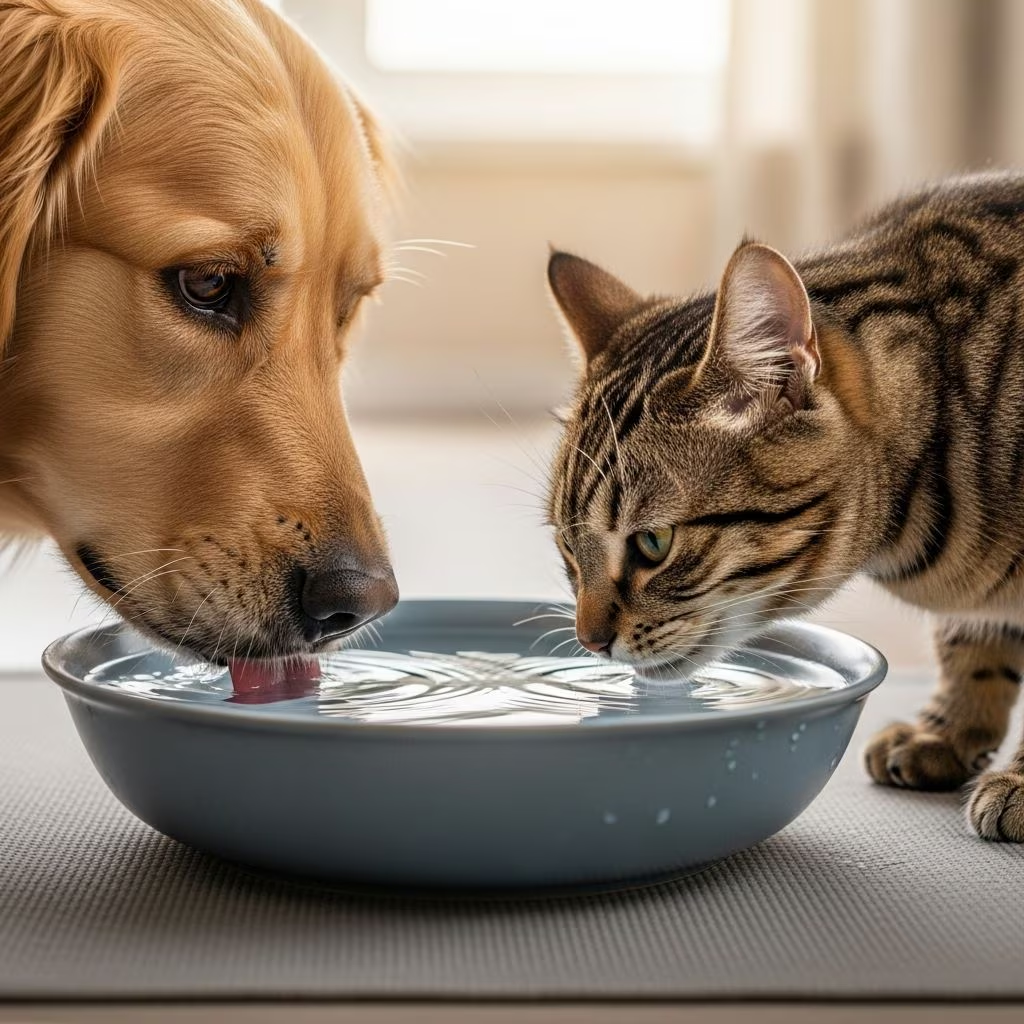
Proper hydration forms the foundation of health for dogs and cats, supporting everything from nutrient transport to waste elimination. This comprehensive guide explores daily water requirements, influencing factors, monitoring techniques, and strategies to promote adequate intake, drawing from veterinary guidelines to help pet owners maintain optimal wellness.
The Critical Role of Water in Pet Physiology
Water constitutes approximately 70% of a pet’s body, serving as a vital component in nearly every biological process. It facilitates oxygen delivery to cells, regulates internal temperature through panting or evaporation, lubricates joints, and aids in digesting food while flushing toxins via urine. Without sufficient water, pets risk organ strain, particularly in kidneys prone to crystal formation in under-hydrated cats.
For dogs, water enables efficient cooling during exercise, while cats rely on it to prevent concentrated urine that fosters urinary tract issues. Ensuring consistent access prevents subtle declines in vitality that can escalate to serious conditions.
Daily Water Requirements for Dogs
Dogs generally require about 1 ounce of water per pound of body weight each day under normal conditions. A 20-pound dog thus needs roughly 20 ounces, or about 2.5 cups, while a 100-pound breed might consume up to 100 ounces or over 12 cups. These figures represent total fluid intake, encompassing water from bowls and moist food sources.
| Dog Weight (lbs) | Daily Water Need (oz) | Approximate Cups |
|---|---|---|
| 10 | 10 | 1.25 |
| 25 | 25 | 3.125 |
| 50 | 50 | 6.25 |
| 100 | 100 | 12.5 |
This table provides a quick reference; actual needs vary. Active dogs in warm climates or lactating females demand 2-3 times more to offset losses from panting and milk production. Puppies, with higher metabolic rates, often exceed adult benchmarks.
Daily Water Requirements for Cats
Cats, evolved from desert ancestors, consume less overtly but still need 3.5-4.5 ounces per 5 pounds of body weight daily. A 10-pound cat targets 7-9 ounces total, equivalent to nearly 1 cup. Metric guidelines suggest 40-60 ml per kg, so a 4.5-pound (2 kg) cat requires 80-120 ml.
| Cat Weight (lbs) | Daily Water Need (oz) | Approximate Cups |
|---|---|---|
| 5 | 3.5-4.5 | 0.44-0.56 |
| 10 | 7-9 | 0.875-1.125 |
| 15 | 10.5-13.5 | 1.3-1.7 |
Cats on dry kibble (10% moisture) drink more than those eating canned food (70-80% moisture), which supplies much of their hydration.
Factors Influencing Water Consumption
- Diet Composition: Dry foods necessitate higher drinking volumes; wet foods contribute significantly to totals.
- Activity and Climate: Exercise or heat prompts increased intake to replace evaporated fluids.
- Age and Life Stage: Puppies and kittens need frequent access; seniors may drink less due to reduced thirst signals.
- Health Status: Lactation boosts needs; medications or illnesses like diabetes elevate consumption.
- Environment: Low humidity or high altitudes increase evaporation, raising requirements.
Techniques to Monitor Hydration Levels
Track intake by measuring bowl water daily, subtracting remnants from starting volume. Observe body language: skin turgor test involves pinching neck skin; it should snap back instantly in hydrated pets. Check gums for moistness and elasticity; dry, sticky gums signal problems. Gums should blanch and pinken within 2 seconds when pressed.
Weigh pets weekly; sudden losses may indicate inadequate fluids. Urine color offers clues: pale yellow indicates good hydration, dark suggests concentration.
Recognizing Dehydration and Excessive Drinking
Signs of Dehydration
- Sunken eyes or lethargy
- Dry nose and gums
- Loss of skin elasticity
- Sunken skin tenting over 2 seconds
- Reduced appetite or vomiting
Signs of Overhydration or Polydipsia
- Constant thirst beyond norms
- Large urine volumes
- Weight gain without dietary change
- Restlessness or confusion
Dehydration demands immediate vet care; polydipsia often points to diabetes, kidney disease, or Cushing’s syndrome, warranting diagnostics.
Practical Strategies to Boost Water Intake
- Upgrade Bowls: Use wide, shallow stainless steel or ceramic vessels; elevate for large breeds.
- Install Fountains: Flowing water entices finicky drinkers, mimicking natural streams.
- Multiple Stations: Place bowls in quiet, accessible spots across the home.
- Flavor Enhancers: Add low-sodium tuna water or broth to plain H2O.
- Food Tweaks: Soak kibble or mix wet food for added moisture.
- Ice Cubes: Offer flavored frozen treats for playful hydration.
Ensure fresh changes twice daily to prevent bacterial growth; avoid plastic bowls that harbor odors.
Water Quality and Safety Considerations
Provide clean, cool (not iced) water; room temperature suits most pets. Filter tap water to remove impurities, especially in hard water areas. Steer clear of hydrogen peroxide additives or unproven supplements without vet approval. Outdoors, use shaded, spill-proof bowls refilled frequently.
Special Needs for Puppies, Kittens, and Seniors
Puppies and kittens require water every 2 hours, transitioning from milk. Seniors benefit from warmed water and proximity to resting areas. Pregnant or nursing mothers need doubled portions; monitor closely.
FAQs on Pet Hydration
How can I tell if my dog is dehydrated?
Perform the skin pinch test and check gum moisture. Consult a vet if signs persist.
Why won’t my cat drink from the bowl?
Cats prefer running water; try a fountain or elevated bowls.
Does wet food count toward water intake?
Yes, its high moisture content significantly contributes to daily totals.
What if my pet drinks excessively?
This may indicate health issues; schedule a veterinary exam promptly.
Can I give my pet flavored water?
Use pet-safe, low-sodium options sparingly to encourage drinking.
Long-Term Benefits of Optimal Hydration
Consistent hydration supports urinary tract health, reduces kidney stone risks in cats, enhances coat shine, and boosts energy. Proactive monitoring prevents emergencies, extending lifespan and quality of life. Integrate these practices into routines for thriving companions.
References
- Hydration | Cornell University College of Veterinary Medicine — Cornell Feline Health Center. 2023.https://www.vet.cornell.edu/departments-centers-and-institutes/cornell-feline-health-center/health-information/feline-health-topics/hydration
- How much water should your cat/dog be drinking? — Ontario SPCA. 2022-10-12.https://ontariospca.ca/blog/how-much-water-should-your-cat-dog-be-drinking/
- Pet Hydration and Water Safety — Wellness Pet Food. 2024.https://www.wellnesspetfood.com/blog/pet-hydration-and-water-safety/
- How Much Water Should a Cat Drink a Day? — Northwoods Veterinary Hospital. 2023-05-15.https://northwoodsvet.com/how-much-water-should-a-cat-drink-a-day/
- Pet Hydration 101 — Bayside Animal Hospital. 2024-01-20.https://www.baysideanimalhospitalonline.com/blog/pet-hydration-101/



