

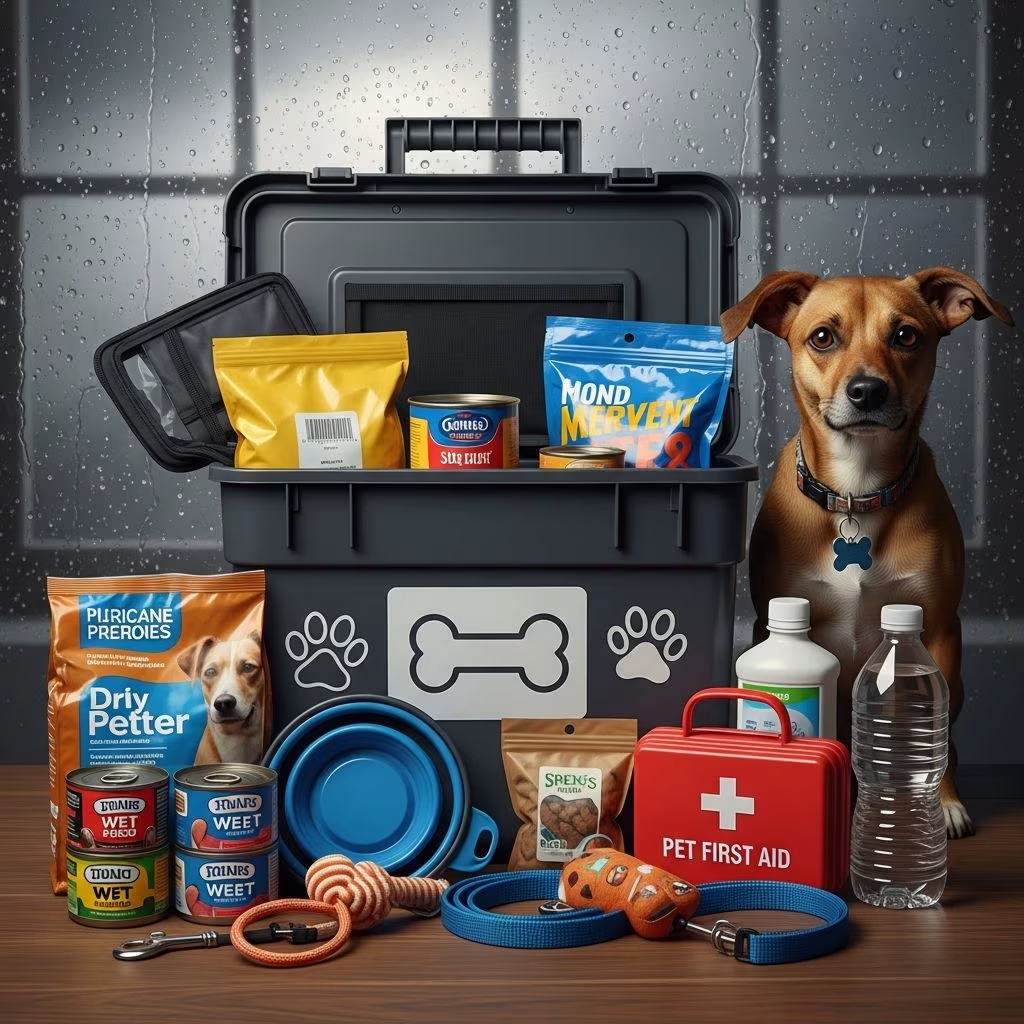
Pet Hurricane Preparedness Plan: Keeping Your Furry Friends Safe
Hurricane season brings unpredictable weather and potential danger to families across the country. While homeowners often focus on protecting their properties and possessions, it’s equally important to prepare your pets for these severe weather events. A comprehensive pet hurricane preparedness plan ensures that your beloved companions remain safe, healthy, and secure throughout the storm season. This guide provides actionable steps to help you protect your pets before, during, and after a hurricane.
Why Pet Hurricane Preparedness Matters
Hurricanes can force families to evacuate quickly, leaving pets vulnerable if proper preparations haven’t been made. Many pets become lost, injured, or separated from their owners during hurricanes when families flee without adequate planning. Creating a solid preparedness plan prevents panic during emergencies and ensures your pets have the care they need. Whether you’re sheltering in place or evacuating, a well-thought-out plan keeps your pets protected and gives you peace of mind during stressful situations.
Identification and Documentation
Before hurricane season arrives, ensure your pets have proper identification. This critical step can reunite you with your pet if they become separated during evacuation or the storm itself.
Essential Identification Steps
Microchipping your pets provides a permanent form of identification that cannot be lost or damaged. Make sure your microchip information is current and linked to your contact details. Collar identification tags with your cell phone number are also essential, as they provide immediate contact information to anyone who finds your pet. Keep tags visible and up-to-date at all times. Current photographs of each pet should be stored digitally and printed. These images prove ownership and help others identify your pet if it becomes lost during the chaos of a hurricane. Store photos in multiple locations, including your phone and a physical copy in your emergency kit.
Additionally, maintain current medical records and vaccination certificates for each pet. These documents may be required for boarding facilities or shelters and prove essential if your pet requires veterinary care during or after the hurricane.
Creating Your Pet Emergency Supply Kit
An emergency supply kit tailored to your pets’ specific needs ensures they have everything necessary to stay safe and comfortable during a hurricane. Prepare this kit well in advance of hurricane season and refresh supplies regularly.
Essential Supplies for Your Pets
Food and water represent the foundation of any pet emergency kit. Store at least two weeks’ worth of non-perishable pet food in airtight, waterproof containers. Include bottled water specifically for your pets, or use sealed water containers. Don’t rely on tap water availability after a hurricane, as water systems may be compromised. Medications and medical supplies should include any prescription medications your pet requires, along with medical records showing dosages and prescribing veterinarian information. Pack gauze wrap, nonstick bandages, hydrogen peroxide, and other first-aid supplies appropriate for your pet’s needs. Include flea and tick prevention if your pet uses monthly treatments.
Comfort items help reduce stress for anxious pets during turbulent times. Pack favorite toys, blankets, and bedding that carry familiar scents. Litter box supplies are crucial for cats; include a portable litter box, litter, litter scoop, and garbage bags to collect waste. Leashes, harnesses, and carriers ensure safe transport and prevent escapes during evacuation. Carriers should be large enough for your pet to stand comfortably, turn around, and lie down, as pets may remain in carriers for extended periods. Consider carriers with handles for easier carrying and secure latches that cannot be accidentally opened.
Additional supplies include paper towels, cleaning supplies, pet waste bags, blankets for warmth, and any specialized equipment your pet requires. Store everything in waterproof containers and keep the kit easily accessible.
Evacuation Planning and Routes
Knowing evacuation routes in advance prevents last-minute confusion and ensures you can leave quickly if authorities issue evacuation orders. Research multiple evacuation routes from your home and identify safe destinations where you can travel with pets.
Evacuation Considerations
If you live in a low-lying area or flood zone, plan to evacuate before a storm approaches your region. Create a list of pet-friendly hotels, boarding facilities, and shelters in your evacuation destination. Contact these facilities before hurricane season to confirm they accept pets and understand any size or breed restrictions. Many standard hotels and shelters may not accommodate animals, making advance planning essential.
Arrange accommodations with friends or family members outside the hurricane zone who can host your pets if needed. Communicate your plans with these contacts well in advance and ensure they understand the care requirements for your specific pets. If you have recreational vehicles or boats, plan to tow them with you, leaving well before the storm makes landfall to avoid unnecessary time on congested roads.
Practice evacuation drills with your pets before hurricane season. Include your pets in evacuation exercises so they become comfortable entering and traveling in their carriers calmly. This familiarity reduces stress and resistance when a real evacuation becomes necessary.
Preparing Your Safe Room
If you decide to shelter in place rather than evacuate, create a designated safe room where your pets can remain protected throughout the hurricane. This room should be an interior space away from windows and exterior walls, reducing exposure to wind, rain, and flying debris.
Safe Room Setup
Stock your safe room with all necessary supplies including food, water, medications, comfort items, and first-aid supplies. Include activities to keep pets mentally stimulated during extended shelter time, such as puzzle toys, books, and interactive games. For cats, place a litter box in the safe room away from food and water dishes to maintain cleanliness and reduce stress.
Close off or eliminate unsafe hiding spaces where frightened cats might try to hide, making them difficult to locate if you need to evacuate quickly. Move dangerous items such as tools, toxic products, or chemicals that may have been stored in the area. Ensure the safe room has a secure place to store loose items that could become projectiles or cause injury during the storm.
Pre-Hurricane Actions
As a hurricane approaches, take specific actions to prepare your pets and ensure their safety during the storm.
Before the Storm Arrives
Bring your pets indoors as soon as local authorities indicate trouble is approaching. Keep dogs on secure leashes and place cats in carriers to prevent escapes. Ensure they’re wearing current identification at all times. Follow local news outlets and listen to radio broadcasts periodically for weather updates and official guidance. Monitor the National Hurricane Center for active storm tracking information.
Don’t come out of your safe shelter until you know it’s safe to do so. After the hurricane passes, conditions may still be hazardous with downed power lines, debris, and floodwaters. Communicate your location with friends and family members so they know where to expect you and can assist if needed.
If you have pets requiring electricity for medical equipment, work with your veterinarian before hurricane season to identify backup power solutions or alternative care facilities. Register your pets with the Functional and Medical Needs Registry if they require specialized medical assistance or care, ensuring emergency officials know where vulnerable animals are located.
Pet-Friendly Evacuation Options
Understanding your evacuation options helps ensure your pets remain with you or in safe, appropriate care during emergencies.
Evacuation Shelter Types
Many public evacuation shelters do not accept pets, creating challenges for pet owners. However, the American Red Cross and other organizations increasingly work to provide pet-friendly evacuation options. Contact local emergency management agencies to learn about pet-friendly shelters in your area. Some facilities maintain separate pet shelters or designated areas for animals.
Boarding facilities and kennels may accept pets during emergencies, though they often fill quickly when hurricanes approach. Make reservations early and confirm vaccination requirements and special care needs. Professional pet sitters or trusted family friends can also care for your pets if you must evacuate to a location that doesn’t accommodate animals. Establish these relationships and provide caregivers with detailed care instructions, medication information, and emergency contact numbers well before hurricane season.
Special Considerations for Different Pet Types
Different pets have unique needs during hurricanes. Tailor your preparedness plan to accommodate your specific animals.
Cats
Cats are particularly vulnerable during hurricanes because they depend on indoor environments and litter facilities. Ensure your cat has a secure carrier for transport and a safe room with a litter box, food, water, and comfort items. Cats may hide when frightened, so eliminate hiding spots in your safe room and watch for signs of stress or illness.
Dogs
Dogs need regular outdoor bathroom breaks, which become impossible during hurricanes. Stock your safe room with training pads or litter-like materials for indoor bathroom needs. Include sturdy leashes and harnesses for safe outdoor access once the storm passes, and ensure your dog cannot escape during evacuation or when conditions improve.
Small Pets and Exotic Animals
Rabbits, guinea pigs, birds, reptiles, and other small animals require specialized care during emergencies. Research breed-specific needs and include appropriate habitats, heating or cooling equipment, and specialized food in your emergency plan. Many standard shelters cannot accommodate exotic pets, making private arrangements essential.
After the Hurricane: Recovery and Health Checks
Once the hurricane passes and it’s safe to venture outside, check your pets for injuries and stress-related health issues. Monitor them closely for signs of illness, behavior changes, or physical injuries from debris or floodwaters.
Schedule veterinary checkups if your pets experienced trauma or show any signs of illness. Vaccinations and parasite prevention become increasingly important after hurricanes due to potential exposure to contaminated water and displaced wildlife. Keep emergency veterinary contact information readily available, as regular veterinary offices may experience closures or reduced hours during recovery periods.
Frequently Asked Questions
Q: How early should I start preparing my pets for hurricane season?
A: Begin preparations at least one month before hurricane season begins. This allows time to gather supplies, arrange evacuation plans, update identification, and practice evacuation drills with your pets.
Q: What should I do if I can’t evacuate with my pets?
A: Establish backup care arrangements with trusted friends or family members outside the hurricane zone. Contact boarding facilities, pet sitters, or local shelters to arrange care if you cannot bring pets with you during evacuation.
Q: Are there pet-friendly hotels that accept evacuating pets?
A: Yes, many hotels allow pets during emergencies, though policies vary. Research pet-friendly hotels in your evacuation destination and make reservations early during hurricane season. Confirm any additional fees or restrictions.
Q: How long can pets stay in carriers during evacuation?
A: Pets should not remain in carriers longer than necessary. Ensure carriers are large enough for your pet to stand, turn around, and lie down. Provide water breaks every few hours and monitor your pet for stress signs during extended transport.
Q: What vaccinations do my pets need before hurricane season?
A: Ensure your pets are current on all routine vaccinations, including rabies. Consult your veterinarian about additional vaccines appropriate for your area, especially if you’ll be traveling to unfamiliar regions during evacuation.
Q: How should I handle pet medications during a hurricane?
A: Store at least a 30-day supply of prescription medications in your emergency kit in waterproof containers. Keep medication information, dosages, and veterinarian details in writing. Ask your veterinarian about refill options before hurricane season.
Q: What’s the best way to transport multiple pets during evacuation?
A: Use appropriately sized carriers for each pet to prevent crowding and stress. Never transport multiple pets in a single carrier. Keep carriers secure in your vehicle and monitor pets regularly during travel to ensure their comfort and safety.
Conclusion
Creating a comprehensive pet hurricane preparedness plan protects your furry family members from the dangers of severe weather. By gathering supplies, establishing evacuation plans, ensuring proper identification, and preparing safe spaces, you significantly increase your pets’ chances of remaining safe during hurricanes. Start preparing now—before hurricane season arrives—so you can respond quickly and confidently if a storm threatens your area. Your pets depend on you for protection; a well-executed preparedness plan ensures they receive the care and safety they need during nature’s most powerful storms.
References
- Hurricane Preparedness Plan — Chatham Area Transit (CAT). 2024. https://catchacat.org/hurricane-preparedness-plan/
- Preparing Your Home and Business for a Hurricane — Caterpillar Inc. 2024. https://www.cat.com/en_US/articles/disaster-preparedness/hurricane-preparation.html
- Pet Emergency Plan and Disaster Preparedness — Humane World. 2024. https://www.humaneworld.org/en/resources/pet-disaster-preparedness
- Pet Disaster Preparedness & Recovery — American Red Cross. 2024. https://www.redcross.org/get-help/how-to-prepare-for-emergencies/pet-disaster-preparedness.html
- Hurricane Safety — Virginia Department of Health. 2024. https://www.vdh.virginia.gov/news/severe-weather-preparedness/hurricane-safety/
- Hurricane Preparedness — Disaster Plan for Pets — Virginia Beach SPCA. 2024. https://vbspca.com/disaster-plan-for-pets/
- Hurricane Preparedness Guide — Hurricane Preparedness Organization. 2024. https://hurricane-prep.org/healthcare-professionals/guide.aspx



