Pet-Human Health Exchange: Risks and Safeguards
Discover how diseases travel between pets and owners, essential prevention tips, and ways to keep your bond safe without health worries.
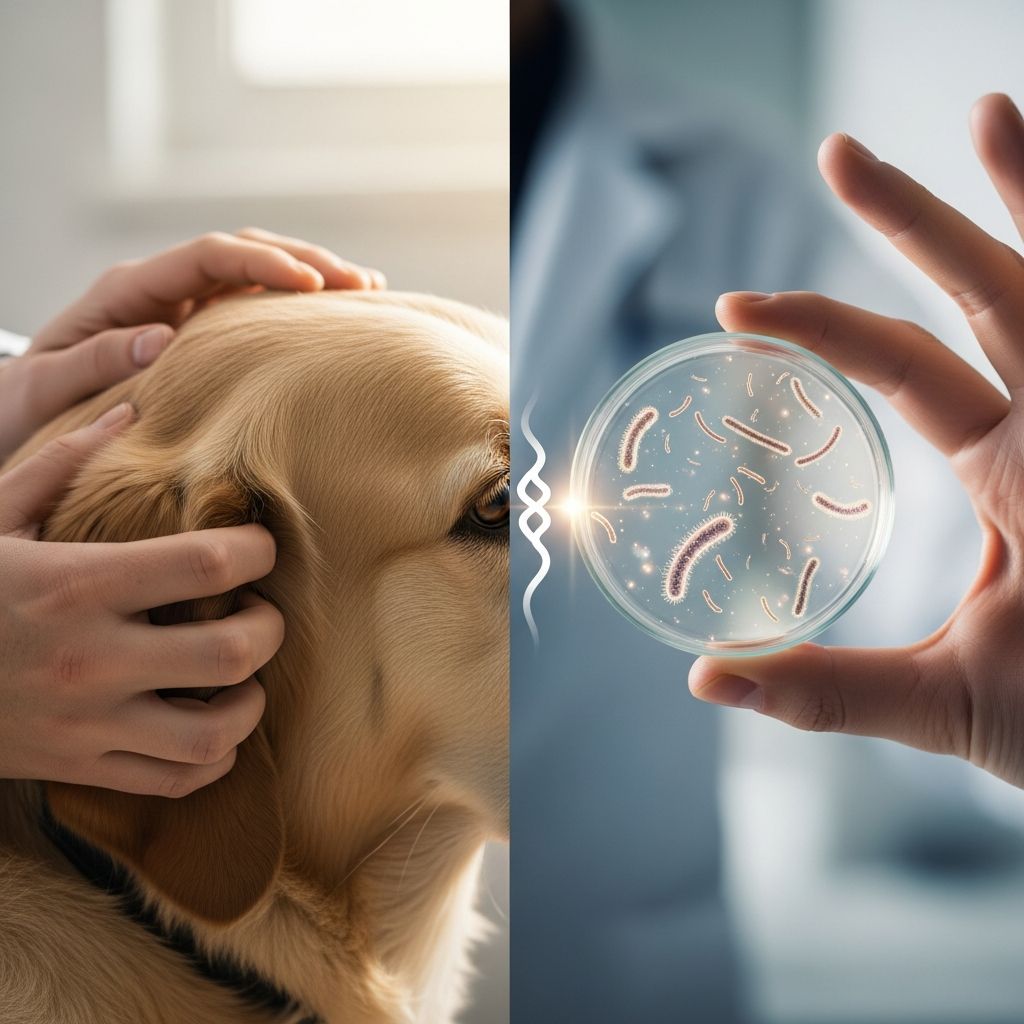
Companion animals bring immense joy and emotional support to millions of households, but their close proximity raises valid concerns about disease transmission. Zoonotic diseases, which pass between animals and humans, represent a two-way street where pets can infect people and vice versa. Understanding these risks empowers owners to foster safe relationships through hygiene, veterinary care, and awareness.
Understanding Zoonotic Transmission Basics
Zoonoses occur when pathogens such as bacteria, viruses, parasites, or fungi jump species barriers. Pets like dogs and cats serve as reservoirs for over 70 such agents, often without showing symptoms themselves. Transmission happens via direct contact with saliva, feces, urine, or fur; indirect exposure through contaminated environments; or vectors like fleas and ticks. High-risk groups include young children, seniors over 65, pregnant individuals, and those with weakened immune systems.
Recent data underscores the prevalence: more than 60% of known human infectious diseases originate from animals, with pets contributing significantly in domestic settings. Puppies and kittens, with immature immune systems, pose higher risks due to elevated pathogen shedding.
Key Pathogens Dogs Share with Humans
Dogs, our most common companions, harbor several transmissible agents. Here’s a breakdown of prevalent ones:
- Salmonella: Acquired by dogs from raw meats or eggs, this bacterium causes diarrhea, fever, and cramps in humans via contaminated feces or food. Asymptomatic shedding lasts up to six weeks.
- Campylobacter: Prevalent in puppies, leading to bloody diarrhea and abdominal pain upon fecal-oral transmission.
- Leptospirosis: A spirochete spread through urine-contaminated water or soil, causing severe flu-like illness; dogs amplify transmission in endemic areas.
- MRSA: Antibiotic-resistant staph bacteria causing skin infections; bidirectional spread via direct contact.
- Rabies: Fatal virus transmitted through bites or saliva; rare in vaccinated pets but deadly without prompt intervention.
Less common threats include Pasteurella from bites, Capnocytophaga triggering sepsis in vulnerable people, and Bordetella causing respiratory issues via aerosols.
Cats as Zoonotic Carriers: What Owners Need to Know
Cats transmit diseases primarily through feces, scratches, bites, saliva, or fur contact. Key examples include:
- Toxoplasmosis: Parasite in cat feces; humans ingest via unwashed produce or undercooked meat. Flu-like symptoms dominate, but risks to fetuses are severe.
- Cat Scratch Disease (CSD): Bartonella henselae via scratches or licks on wounds; flea bites spread it among cats. Causes swollen lymph nodes and fever.
- Ringworm: Fungal skin infection from direct contact or shared grooming tools; appears as circular lesions.
Other risks: Giardia and hookworms from feces, or external parasites like fleas carrying further pathogens. Indoor cats reduce but don’t eliminate exposure.
Reverse Transmission: When Humans Infect Pets
The exchange isn’t one-sided. Humans can pass illnesses to pets, compromising their health and potentially cycling pathogens back.
| Human Pathogen | Transmission to Pets | Pet Symptoms | Source |
|---|---|---|---|
| MRSA | Skin contact, shared environments | Skin infections, abscesses | |
| C. difficile | Fecal contamination | Diarrhea | |
| Influenza | Respiratory droplets (limited) | Respiratory illness | |
| Methicillin-resistant bacteria | Direct contact | Wounds, infections |
Pets with human-derived infections may not exhibit signs, silently spreading risks within households or to other animals.
High-Risk Scenarios and Vulnerable Populations
Certain situations amplify dangers:
- Raw Diets: Increase Salmonella and E. coli loads in pet feces.
- Outdoor Exposure: Ticks bring Lyme disease indoors on fur.
- Puppy/Kitten Play: Immature pets shed more pathogens.
- Bites/Scratches: Direct entry points for Pasteurella or rabies.
Immunocompromised individuals face sepsis risks from Capnocytophaga or severe leptospirosis. Children ingesting contaminated soil and pregnant women avoiding toxoplasmosis must prioritize precautions.
Proven Prevention Strategies for Pet Owners
Veterinary oversight forms the cornerstone. Regular check-ups detect asymptomatic carriers.
- Vaccinations: Core shots prevent rabies; bordetella for dogs.
- Parasite Control: Monthly preventives for fleas, ticks, heartworms, and intestinal worms.
- Hygiene Protocols: Handwashing post-contact, especially before eating. Clean litter boxes daily (pregnant women delegate).
- Food Safety: Cook meats thoroughly; avoid raw pet diets in homes with vulnerable members.
- Environmental Management: Prompt waste disposal, tick checks after walks.
For bites/scratches: Clean wounds, seek medical care if signs develop. Asplenic or elderly individuals may need prophylactic antibiotics.
Role of Regular Veterinary Care in Risk Reduction
Annual wellness exams include fecal tests for parasites and bloodwork for lepto exposure. Flea/tick products like topical treatments or collars prevent vector-borne diseases. Discuss raw feeding risks with vets; commercial balanced diets minimize bacterial loads.
In outbreak areas, titer testing confirms immunity. Microchipping aids rabies contact tracing.
FAQs on Pet-Human Disease Risks
Can my healthy-looking pet still infect me?
Yes, many carriers show no symptoms, especially parasites and bacteria like Salmonella.
Is it safe for kids to play with puppies?
Supervise closely; wash hands after. Puppies carry more Campylobacter.
Do indoor cats pose zoonotic risks?
Lower, but toxoplasmosis from litter remains a concern.
What if my pet bites me?
Wash thoroughly, monitor for infection, consult a doctor for rabies risk assessment.
Can I get COVID-19 from my pet?
Rare; reverse transmission from humans possible but uncommon.
Building a Safer Pet-Human Bond
Armed with knowledge, owners can minimize zoonotic threats without sacrificing companionship. Prioritize vet-recommended protocols, model hygiene for kids, and report unusual pet behaviors promptly. Public health bodies like CDC emphasize these steps reduce incidence dramatically. The rewards of pet ownership—stress relief, activity boosts—far outweigh mitigated risks.
References
- Diseases dogs can pass to humans — Ohio State Health & Discovery. 2023-10-15. https://health.osu.edu/health/virus-and-infection/diseases-dogs-can-pass-to-humans
- Common Diseases Transmissible from Pets to Humans — NMAH Veterinary Blog. 2024-05-22. https://nmah.vet/blog/diseases-transmissible-pets-humans-guide/
- Review of bacterial and viral zoonotic infections transmitted by dogs — PMC (NCBI). 2017-02-15. https://pmc.ncbi.nlm.nih.gov/articles/PMC5319273/
- Zoonotic Disease: What Can I Catch from My Cat? — Cornell University College of Veterinary Medicine. 2023-11-01. https://www.vet.cornell.edu/departments-centers-and-institutes/cornell-feline-health-center/health-information/feline-health-topics/zoonotic-disease-what-can-i-catch-my-cat
- Facts About Diseases that Can Spread Between Animals and People — Centers for Disease Control and Prevention (CDC). 2025-01-10. https://www.cdc.gov/healthy-pets/diseases/index.html
- Zoonotic Diseases — Cleveland Clinic. 2024-08-20. https://my.clevelandclinic.org/health/diseases/zoonotic-diseases
- Zoonotic diseases and pets — American Veterinary Medical Association (AVMA). 2024-12-05. https://www.avma.org/resources-tools/one-health/zoonotic-diseases-and-pets
Similar Articles







Read full bio of medha deb