

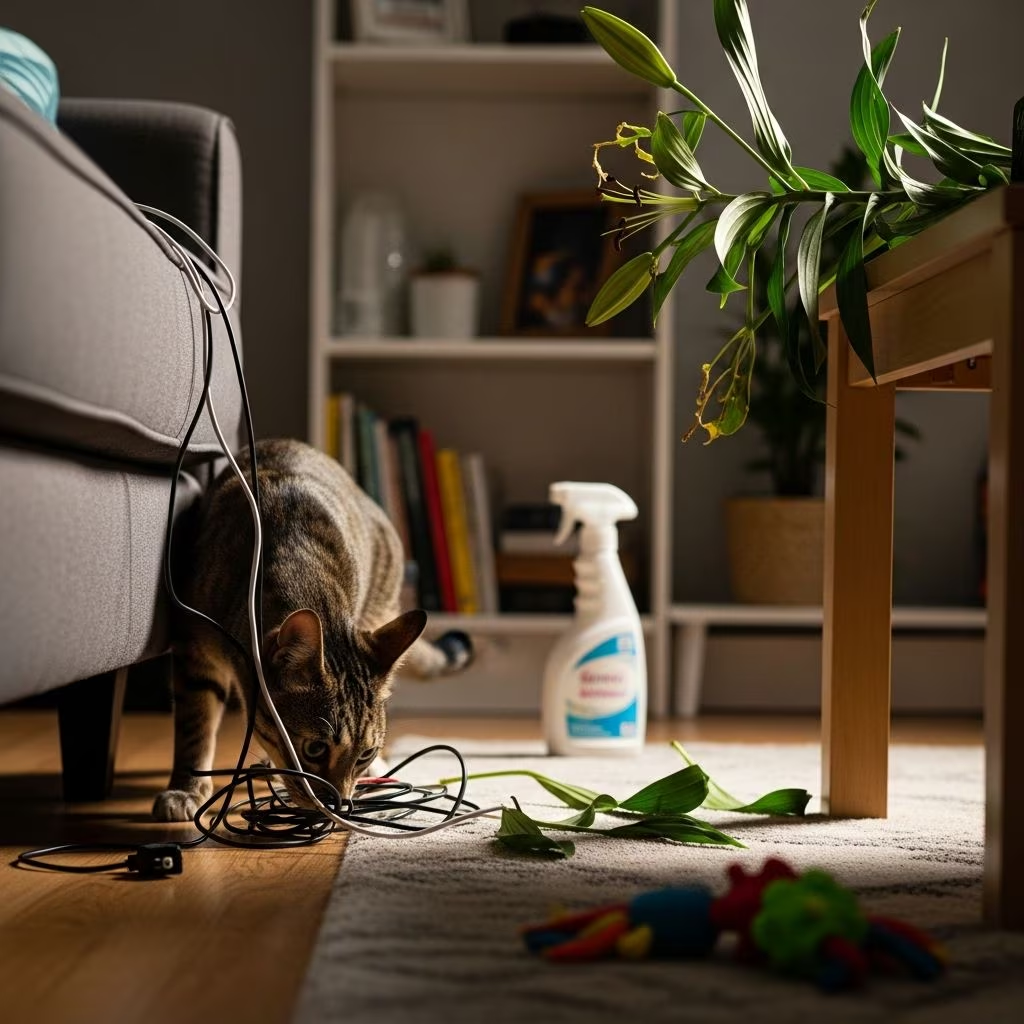
Pet owners often focus on providing food, shelter, and companionship, but one critical responsibility frequently goes overlooked: protecting pets from toxic substances lurking in everyday environments. Many common household items that pose no danger to humans can cause serious illness or death in dogs and cats. Understanding these hazards and taking preventive measures is essential for responsible pet ownership.
Understanding Why Pets Are Vulnerable to Household Toxins
Pets face unique vulnerabilities when it comes to household toxins. Unlike humans, animals cannot read warning labels, understand consequences of their actions, or communicate when they feel unwell until symptoms become severe. Additionally, pets have different metabolic pathways than humans, meaning substances that are safe for people can accumulate to dangerous levels in their bodies. Dogs are particularly susceptible because their curious nature and food motivation drive them to investigate and consume unknown substances. Cats, while typically more cautious, can be attracted to certain toxins by smell or taste.
Medications: A Silent Danger in Every Home
One of the most frequently overlooked sources of pet poisoning is medication. Both prescription and over-the-counter medications present serious risks when pets gain access to them. Pain relievers like acetaminophen and ibuprofen are particularly problematic, with acetaminophen causing severe changes to red blood cells in cats that result in dangerous symptoms including facial swelling and discolored mucous membranes. Prescription medications commonly found in homes—including ADHD medications, antidepressants, and heart medications—can be fatal to pets even in small quantities.
Pet owners should store all medications in secure cabinets out of reach, including pill bottles in purses, suitcases, and backpacks. Even a single dropped pill can be consumed before an owner realizes it. Portable pill organizers should be kept secured rather than left on countertops or nightstands.
Toxic Foods: Kitchen Dangers Often Overlooked
The kitchen presents numerous hazards masked as ordinary food items. Several foods that humans enjoy regularly can cause severe poisoning in pets:
Chocolate and Caffeine Products
Chocolate contains methylxanthines that trigger vomiting, tremors, seizures, and heart issues in pets. Darker chocolates carry higher concentrations of these harmful compounds, making them particularly dangerous.
Xylitol-Containing Products
Xylitol, a sugar alcohol found in sugar-free gums, baked goods, desserts, medications, vitamins, and toothpaste, causes rapid insulin release in pets leading to hypoglycemia and potentially fatal liver failure. This substance represents one of the most dangerous hidden toxins because it appears in numerous products consumers don’t traditionally associate with pet dangers.
Fruits and Vegetables to Avoid
Grapes and raisins cause kidney failure in dogs and cats. Onions and garlic damage red blood cells. Avocados contain persin, causing respiratory distress and fluid accumulation around vital organs. Macadamia nuts trigger weakness, tremors, and hyperthermia.
Baking Products and Alcohol
Unbaked yeast dough expands in the stomach and causes bloating. Alcohol is rapidly absorbed in pet systems and causes intoxication, seizures, and potential death.
To prevent accidental consumption, use a secure trash bin, keep countertops clear, and educate family members and guests about these dangers. Inform visitors not to offer human food as treats.
Household Chemicals: Cleaning and Maintenance Products
Cleaning products rank among the most common sources of household pet poisoning. These substances can cause chemical burns, respiratory issues, and gastrointestinal damage:
- Bleach and Disinfectants: Cause burns to mucous membranes and respiratory issues
- Laundry Pods and Detergents: Lead to vomiting, drooling, and breathing difficulty
- Fabric Softener Sheets and Liquids: Contain cationic detergents creating severe chemical burns and ulcers
- Liquid Potpourri: Causes severe chemical burns in the mouth and esophagus, particularly dangerous for cats
- Toilet Bowl Drop-In Cleaners: Corrosive cleaning agents that cause gastrointestinal irritation when pets drink from toilets
After using cleaning agents, thoroughly rinse all floors and surfaces before allowing pets to walk on them. Store all cleaning supplies in locked cabinets inaccessible to animals.
Automotive and Outdoor Chemicals
Substances used for vehicle maintenance and yard care present serious hazards, especially for outdoor pets:
Antifreeze
Antifreeze contains ethylene glycol with a sweet taste that attracts dogs, but it is extremely toxic even in small amounts. Store antifreeze securely and clean up spills immediately.
Pesticides and Rodenticides
Rodenticides contain anticoagulants that prevent blood clotting, leading to internal bleeding, while some formulations cause death through high calcium levels, brain swelling, or poison gas production. Insecticides containing organophosphates or carbamates affect the nervous system. Even flea and tick products designed for dogs can be dangerous or life-threatening if used on cats or other animals.
Lawn and Garden Products
Fertilizers, weed killers, and ice-melting products all present toxicity risks. Some fertilizers contain bone meal, blood meal, or iron causing severe stomach upset or toxicity.
Inhaled and Topical Toxins Often Forgotten
Not all toxins require ingestion to cause harm. Some household substances affect pets through inhalation or skin absorption:
Tobacco and Nicotine Products
Cigarette butts contain 25 percent of total nicotine and can cause rapid symptom onset within 15-30 minutes including hyperexcitability, hypersalivation, fast breathing, diarrhea, and vomiting. Higher doses lead to muscle weakness, twitching, collapse, coma, and death. Nicotine gums pose additional danger when sweetened with xylitol.
Essential Oils and Topical Treatments
Tea tree oil, also known as melaleuca oil, causes severe poisoning with as little as 7 drops of 100% concentration, with fatalities occurring at 10ml or less. Eucalyptus and cinnamon oils also cause vomiting, tremors, or liver toxicity in dogs. Paint fumes, glue, and solvents contain chemicals causing dizziness, nausea, and nervous system effects.
Houseplants and Decorative Items
Many common houseplants are poisonous to pets. Lilies are exceptionally hazardous to cats, with pollen alone being potentially fatal. Other dangerous houseplants include dieffenbachia, elephant ear, and spider plants. Outdoor plants such as ivy and oleander also present risks. Before bringing any plant into your home, consult the ASPCA’s toxic plant list.
Additionally, certain decorative items pose dangers: salt dough Christmas tree ornaments and play dough contain salt in concentrations that can be toxic, and mothballs present serious poisoning risks.
Prevention Strategies and Best Practices
Creating a pet-safe environment requires vigilance and systematic organization:
- Store all medications, supplements, and vitamins in locked cabinets
- Keep cleaning products, chemicals, and automotive fluids secured and out of reach
- Use locking trash cans to prevent counter-surfing and scavenging
- Educate guests about toxic foods and enforce a no-human-food-treats policy
- Research plants before bringing them indoors or planting in gardens
- Use pet-safe alternatives for flea and tick prevention on cats
- Avoid essential oils or use only under veterinary guidance
- Never use liquid potpourri or wax melts without ensuring pet access is impossible
- Store antifreeze and yard chemicals in secure locations
- Rinse floors and surfaces thoroughly after using any cleaning agents
Recognizing Signs of Poisoning
Pet owners should recognize symptoms indicating potential poisoning, including vomiting, diarrhea, drooling, lethargy, tremors, difficulty breathing, loss of balance, seizures, or behavioral changes. When poisoning is suspected, immediate veterinary attention is critical. Contact your veterinarian or animal poison control hotline immediately rather than waiting for symptoms to worsen.
Frequently Asked Questions
What should I do if my pet ingests a toxic substance?
Contact your veterinarian or animal poison control center immediately. Provide information about the substance, approximate quantity ingested, and when ingestion occurred. Do not attempt home remedies without professional guidance.
Are all chocolate products equally dangerous?
No. Dark chocolate and baking chocolate are more dangerous than milk chocolate due to higher methylxanthine concentrations. However, all chocolate should be kept away from pets.
Can my cat use flea and tick products designed for dogs?
No. Many flea and tick products formulated for dogs are dangerous or life-threatening to cats. Always use products specifically labeled for your pet species.
Is it safe to use essential oils around my pets?
Many essential oils are toxic to pets, even in small amounts. Only use products specifically formulated for pet use and follow veterinary guidance.
What houseplants are safe for pets?
Consult the ASPCA’s comprehensive toxic plant list before bringing any plant into your home. Spider plants and Boston ferns are generally considered safer options, but always verify before purchase.
References
- Potentially Dangerous Items for Your Pet — U.S. Food and Drug Administration. https://www.fda.gov/animal-veterinary/animal-health-literacy/potentially-dangerous-items-your-pet
- What Common Household Items Are Toxic to Pets? — American Animal Hospital Association (AAHA). https://www.aaha.org/resources/household-pet-toxins/
- 10 Toxic Household Items That Can Poison Your Pets — Metro Veterinary Hospital. https://metro-vet.com/10-toxic-household-items-that-can-poison-your-pets/
- Common Household and Environmental Toxins for Dogs — Hersh Veterinary Hospital. https://hersheyanimaler.com/blog/household-and-environmental-toxins-for-dogs/
- 5 Common Pet Toxins In Your Home — Windcrest Animal Hospital. https://windcrestanimal.com/blog/5-common-pet-toxins-in-your-home/
- Poisonous Household Products — American Society for the Prevention of Cruelty to Animals (ASPCA). https://www.aspca.org/pet-care/aspca-poison-control/poisonous-household-products
- Common Household Poisons and Toxins — Butterfield Animal Hospital. https://www.butterfieldvets.com/blog/common-household-poisons-and-toxins



