

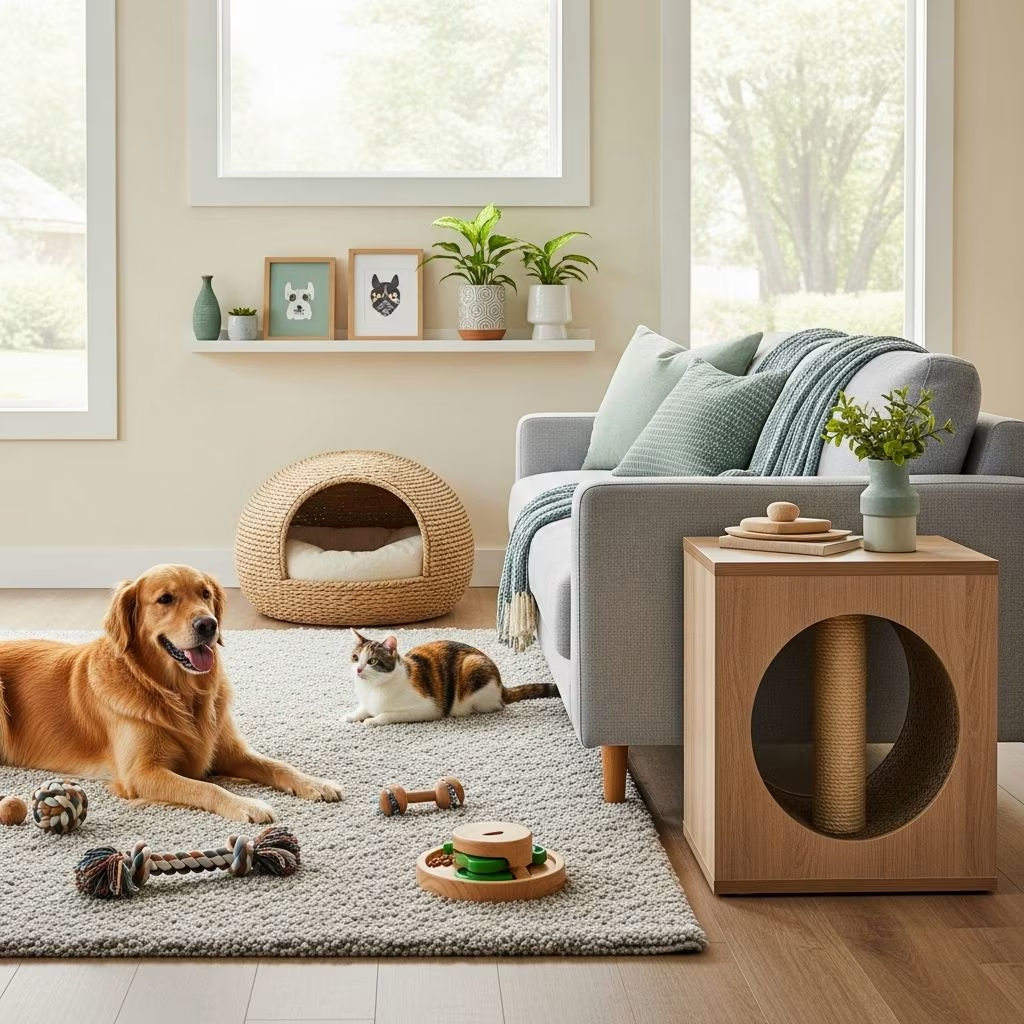
Pet Home Decor Trends: Creating Stylish Spaces for Your Furry Friends
The way we live with our pets has transformed dramatically over the past few years. What was once considered a simple corner for a pet bed has evolved into thoughtfully designed spaces that rival human bedrooms in terms of luxury and attention to detail. Pet owners today are investing significantly in creating homes that celebrate their furry family members while maintaining the aesthetic integrity of their living spaces. In 2025, the pet home decor industry is experiencing unprecedented growth, with pet owners spending more than $147 billion annually on their pets, with an increasing portion dedicated to home-focused upgrades and furnishings.
This shift reflects a broader cultural movement toward viewing pets as integral family members rather than afterthoughts. Social media has amplified this trend, inspiring homeowners to elevate their pet spaces and share their creations with millions of followers. The result is a thriving “barkitecture” movement where design for pets is considered from the initial planning stages, not hastily added at the end.
The Rise of Dedicated Pet Rooms
One of the most significant trends in pet home design is the emergence of dedicated pet rooms—often referred to as dog rooms or pet suites. These spaces have become status symbols among pet enthusiasts, showcasing the owner’s commitment to providing exceptional living environments for their companions. What started as experimental endeavors has blossomed into a legitimate design category, complete with custom builds, professional consultation, and significant investment.
Luxury Dog Room Features
Today’s luxury pet rooms go far beyond a simple bed and food bowl. Many homeowners are installing:
- Custom bunk beds and murphy beds designed specifically for pets
- Tiled dog showers with temperature controls
- Temperature-controlled flooring for comfort
- Built-in cabinetry and storage solutions
- TV setups for entertainment and calming content
- Ball pits and play areas
- Dedicated closets for pet clothing and accessories
- Wall-mounted storage for treats and toys
These rooms range dramatically in scale, from small nooks tucked under staircases to full multi-room suites complete with grooming areas, feeding stations, and luxury bedding. The design possibilities are nearly limitless, constrained only by imagination and budget.
Color Palettes and Design Aesthetics
Trending Color Schemes for 2025
One of the most notable developments in pet furniture design is the emphasis on sophisticated color palettes that complement home décor rather than clash with it. Gone are the days of bright, primary-colored pet accessories relegated to basements or garages. Instead, designers are working with calming and elegant color schemes that seamlessly integrate pet spaces into the overall home design.
Popular color choices for 2025 include:
- Greens such as “Vert de Terre” and “Beverley Green” for natural, soft aesthetics
- Sophisticated blues including “Hague Blue” and “Cook’s Blue” that add depth and elegance
- Warm, neutral tones like “Lamp Room Grey” that work with both modern and traditional interiors
- Natural wood finishes, particularly oak, that emphasize timeless craftsmanship
- Calming pastels and earthy tones that reflect pet personality while ensuring visibility
These color choices aren’t merely aesthetic preferences; they represent a fundamental shift in how homeowners view pet spaces. By selecting sophisticated palettes inspired by interior design brands like Farrow and Ball, pet owners can create furniture pieces that function as statement elements within their homes.
Multifunctional Pet Furniture
Design That Serves Dual Purposes
Modern pet furniture design emphasizes functionality without sacrificing style. Rather than dedicating entire rooms to pet needs, many homeowners are opting for multifunctional pieces that serve both their needs and their pets’ requirements. This approach is particularly appealing to those living in smaller spaces or for families unwilling to sacrifice prime real estate for pet-only rooms.
Innovative multifunctional designs include:
- Dog crates that double as mid-century credenzas or contemporary furniture pieces
- Kitchen islands incorporating integrated pet crates
- Bookcases with integrated cat litter box storage
- Pet beds that tuck seamlessly under staircases or into corners
- Storage ottomans that function as both seating and toy storage
- Pet furniture that mirrors human bedroom designs
These dual-purpose pieces allow pet owners to maintain cohesive home designs while providing their pets with comfortable, secure spaces. The key to successful multifunctional design is ensuring that the piece maintains its primary function while providing genuine benefit to pets.
Integrated Features and Practical Solutions
Smart Storage and Feeding Solutions
Pet home décor has evolved to address the practical challenges of pet ownership. One of the most appreciated innovations is the integrated feeding drawer—a solution that combines sleek aesthetics with genuine functionality. These drawers house feeding bowls neatly, reducing mess and creating organized, attractive feeding areas that don’t detract from kitchen or dining room aesthetics.
Additional practical innovations include:
- Built-in food and water bowl stations that integrate into cabinetry
- Custom storage solutions for pet food, treats, and toys
- Grooming areas with specialized surfaces and storage
- Dog-wash stations in stylish mudrooms
- Closet systems for pet clothing and seasonal items
- Cord management for pet fountains and other electrical pet devices
These features address the reality of modern pet ownership: pets require equipment, supplies, and accessories, but these items don’t need to clutter living spaces or compromise design integrity.
Pet Spaces in Smaller Homes
Not every homeowner has the space or resources for a dedicated pet room, yet the desire to create stylish pet spaces remains strong. For those living in apartments, smaller homes, or shared spaces, the solution lies in thoughtfully designed pet corners and integrated features.
Creative Space Solutions
Strategic placement of pet furniture can transform even compact living situations into pet-friendly havens:
- Utilizing under-stair spaces for cozy pet nooks
- Corner units that maximize unused space
- Vertical storage solutions combining shelving and pet-safe enclosures
- Pet beds in laundry rooms that serve dual purposes
- Coordinated pet furniture in multiple rooms where owners spend time
- Wall-mounted feeding stations that save floor space
The beauty of modern pet design is its flexibility. Whether you have a sprawling mansion or a studio apartment, there’s a pet design solution that works for your lifestyle and space constraints.
Coordinated Pet Accessories and Styling
Creating Cohesive Pet Spaces
Today’s pet home décor goes far beyond selecting a single pet bed. Thoughtful styling involves coordinating all elements of the pet space to create a cohesive, intentional look. This might include:
- Matching pet beds, food bowls, and toys in coordinated colors and patterns
- Selecting pet furniture in complementary finishes to human furniture
- Using pet accessories as design accents rather than functional afterthoughts
- Incorporating pet items into broader interior design schemes
- Selecting washable, high-quality pet textiles in designer patterns
Pet owners increasingly view their pets’ belongings as extensions of their personal style. Coordinated pet fashion, from collars and harnesses to clothing and bedding, reflects the owner’s aesthetic sensibility while ensuring pets look as polished as their surroundings.
Specialized Designs for Multiple Pets
Solutions for Mixed Households
For homes with multiple pets or mixed species households, specialized furniture solutions are emerging. Rather than forcing all pets into generic spaces, designers are creating tailored solutions that respect each animal’s needs and personality.
Examples of specialized designs include:
- Double dog bedrooms that provide separate but adjacent spaces
- Units featuring distinct areas for dogs and cats
- Tiered designs that accommodate pets with different comfort preferences
- Modular systems that can be configured for various household compositions
- Specialized feeding stations for pets with different dietary needs
These thoughtful designs acknowledge that pet ownership often involves navigating the needs and preferences of multiple animals while maintaining a unified aesthetic.
The Professional Design Perspective
Interior designers are increasingly treating pet spaces with the same care and expertise they bring to human spaces. Major design professionals are not only accepting pet design commissions but actively participating in the trend themselves. This elevated professional attention has legitimized pet design as a serious design category deserving of strategic planning and expert consultation.
Professional designers emphasize the importance of:
- Planning pet spaces from initial design stages
- Selecting materials that balance durability with aesthetics
- Creating spaces that fulfill pets’ behavioral and comfort needs
- Ensuring seamless integration with overall home design
- Utilizing quality craftsmanship and sustainable materials
Material and Craftsmanship Considerations
Quality in Pet Furniture
Modern pet furniture emphasizes quality materials and construction that match or exceed that of human furniture. Natural wood finishes, particularly oak, provide durability while creating connections between pet furniture and the rest of the home. Solid construction ensures that pet furniture withstands years of active use while maintaining its aesthetic appeal.
Key material considerations for 2025 include:
- Sustainable and eco-friendly materials
- Solid wood construction rather than particleboard
- Outdoor-grade fabrics that withstand pet wear
- Non-toxic finishes and materials
- Washable, durable textiles in designer patterns
- Scratch-resistant surfaces for homes with cats
This emphasis on quality reflects a broader understanding that pet furniture is an investment in both aesthetic and functional value.
The Social Media Influence
Social media has fundamentally transformed pet design culture. Platforms like TikTok showcase elaborate, beautifully designed pet spaces, inspiring millions to upgrade their own homes. Content creators and design influencers have popularized the “pet room” concept, demonstrating that investing in stylish pet spaces is not frivolous but rather a legitimate expression of love and commitment to family members.
This digital amplification has created a virtuous cycle: as more people share their pet space designs, others feel inspired to create their own unique versions, continually pushing the boundaries of what’s possible in pet home design.
Frequently Asked Questions
Q: Do I need a dedicated pet room to incorporate pet home décor trends?
A: No. While dedicated pet rooms are trending, multifunctional furniture and thoughtfully designed corners can achieve the same effect in smaller spaces. The key is intentional design and coordination of elements.
Q: What are the most popular colors for pet furniture in 2025?
A: Sophisticated greens, blues, warm neutrals like “Lamp Room Grey,” and natural wood finishes are leading trends. These colors integrate seamlessly with home décor while creating elegant pet spaces.
Q: How can I make pet furniture blend with my existing home design?
A: Select furniture in colors and styles that complement your existing décor. Multifunctional pieces that serve as human furniture are excellent options. Coordinate all pet items—beds, bowls, and toys—for a cohesive look.
Q: Is professional design consultation worth it for pet spaces?
A: For larger projects or homes where pet design is integrated into overall interior design, professional consultation can ensure optimal functionality and aesthetics. For smaller spaces or budget-conscious projects, numerous DIY resources exist.
Q: What materials are best for pet furniture durability?
A: Solid wood construction, outdoor-grade fabrics, washable textiles, and non-toxic finishes provide durability while maintaining aesthetic appeal. These materials withstand active pet use while maintaining their beauty.
References
- Is the Dog Room the New Luxury Must-Have? — ELLE Decor. 2025. https://www.elledecor.com/design-decorate/a64896214/dog-room-trend-2025/
- 10 Hottest Pet Trends To Watch For In 2025 — Wild Love Tails. 2025. https://wildlovetails.com/10-hottest-pet-trends-to-watch-for-in-2025/
- Bespoke Pet Furniture 2025 – Trends to Inspire You — The Pet Carpenter. 2025. https://www.thepetcarpenter.co.uk/bespoke-pet-furniture-2025-trends-to-inspire-you/
- Pet Industry Guide: Trends We’ll be Seeing in 2025 — Koston. 2025. https://koston.com/blogs/editorial/2025-pet-guide



