

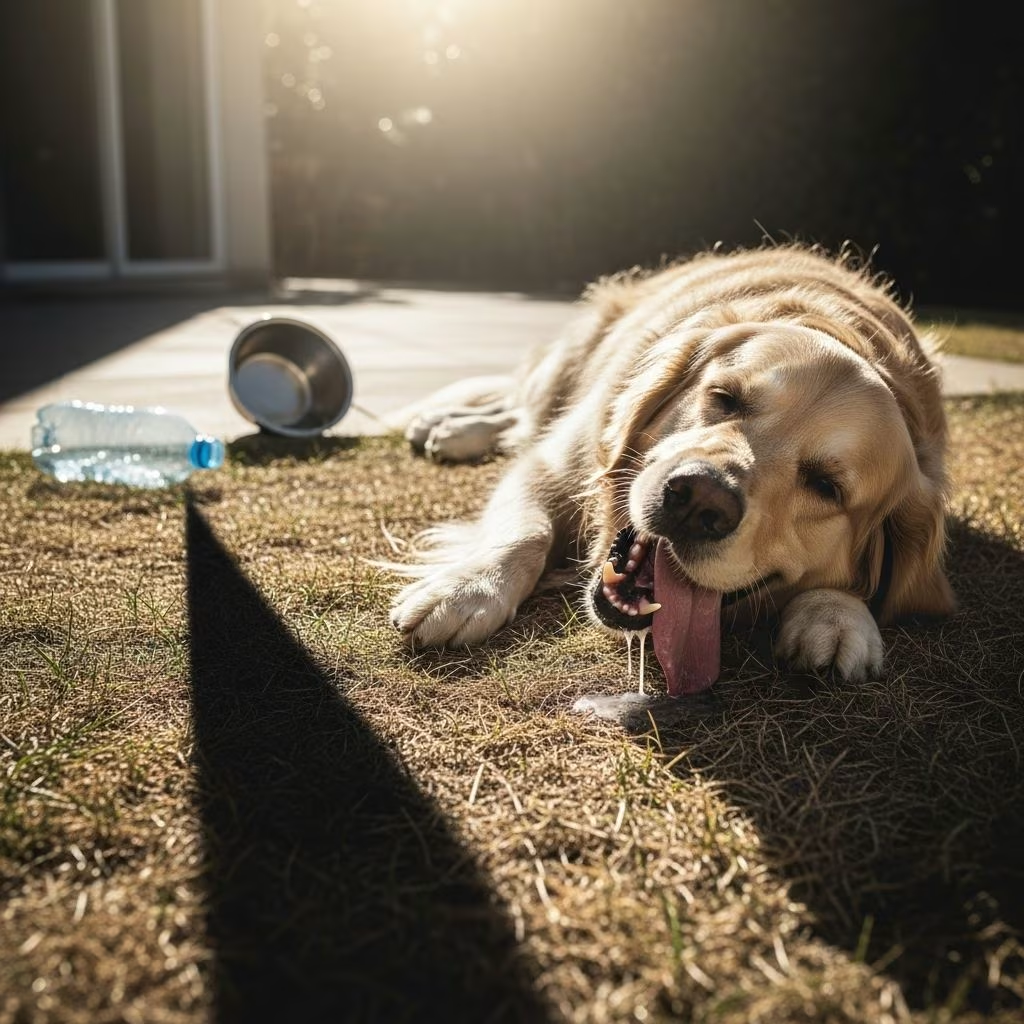
Heatstroke poses a severe risk to pets, particularly dogs and cats, during periods of elevated temperatures, potentially leading to organ failure or death if not addressed swiftly. Understanding the physiological impacts, early indicators, and response protocols empowers pet owners to intervene effectively and enhance survival rates.
Why Pets Overheat So Quickly
Pets lack efficient sweating mechanisms compared to humans; dogs primarily cool through panting, while cats rely on limited grooming and evaporation. High humidity hampers this process, trapping heat and accelerating body temperature rises above 104F (40C), which classifies as hyperthermia. Factors like confined spaces, strenuous activity, or poor acclimation exacerbate vulnerability, turning routine outings into emergencies.
Breeds with short muzzles, such as Bulldogs or Persians, face heightened risks due to compromised airways that impede panting efficiency. Overweight animals, seniors, or those with heart conditions struggle further, as their systems cannot dissipate heat adequately. Environmental triggers include direct sunlight, hot pavement, and vehicle interiors, where temperatures can surge 20F within minutes.
Recognizing the Warning Signs
Early detection hinges on observing behavioral shifts before severe symptoms emerge. Initial cues include excessive panting, bright red gums, and restlessness as the body attempts regulation.
- Heavy, rapid breathing with tongue extension
- Saliva drooling in thick strands
- Lethargy or staggering gait
- Vomiting or diarrhea onset
- Weak pulse and glazed eyes
Advanced stages bring collapse, seizures, unconsciousness, or coma, signaling multi-organ distress. Body temperatures exceeding 106F demand immediate action, as survival odds drop without rapid cooling. Monitor rectal temperature if possible; normal ranges are 100.5-102.5F for dogs and 100-102.5F for cats.
First Response: Critical Cooling Steps
Act decisively upon suspicion: survival improves from 50% to 80% with pre-veterinary cooling. Prioritize relocation to shade or air-conditioned spaces, halting all activity.
- Relocate to cool area with airflow, like a fan-assisted room.
- Provide small sips of cool (not iced) water to avoid shock.
- Apply room-temperature wet towels to groin, armpits, neck, and paws—key vascular zones.
- Avoid ice packs or cold immersion, which constrict vessels and worsen core heat retention.
- Transport to an emergency clinic while continuing gentle cooling.
For unconscious pets, focus on passive cooling without forced water intake. Veterinary intervention typically involves IV fluids, anti-nausea drugs like Cerenia, antibiotics, and organ monitoring via bloodwork.
Seasonal and Breed-Specific Risks
| Risk Factor | Affected Pets | Key Precautions |
|---|---|---|
| Brachycephalic Breeds | Bulldogs, Pugs, Persians | Limit exercise; use harnesses over collars |
| Obese or Senior Pets | Overweight dogs/cats, elderly | Frequent breaks; indoor cooling mats |
| High Humidity Days | All outdoor pets | Skip walks above 80F with 70% humidity |
| Vehicle Exposure | Any left in cars | Never leave unattended, even cracked windows |
These vulnerabilities underscore tailored management, especially in humid climates where panting fails.
Proven Prevention Blueprint
Proactive measures drastically reduce incidence. Schedule walks for dawn or dusk, sticking to shaded, grassy paths to spare paws from scorching asphalt.
- Maintain constant fresh water access, augmented with ice cubes or pools on extreme days.
- Employ cooling vests, mats, or vests for prolonged outdoor time.
- Groom long-haired pets to remove insulating undercoats.
- Acclimate gradually to warmth, monitoring for distress cues like lip licking.
- Avoid midday errands with pets in vehicles—internal heat builds rapidly.
For multi-pet homes, designate cool zones with misters or frozen treats. Technology like pet cameras aids remote checks during heat alerts.
Long-Term Health Strategies
Beyond acute risks, chronic heat exposure strains hearts and kidneys. Annual vet checkups assess fitness for summer activities, recommending weight management or respiratory aids. Hydration routines, such as flavored water additives, encourage intake. Emergency kits with towels, water bottles, and thermometers ensure readiness.
Community education amplifies safety; share pavement temperature tests (if too hot for your hand, it’s unsafe for paws). Apps tracking heat index provide real-time advisories, integrating local forecasts with pet tolerances.
Frequently Asked Questions
Can cats get heatstroke too?
Yes, cats suffer similarly, though less active outdoors. Indoor overheating from stuffy rooms or post-bath confinement is common; watch for open-mouth breathing.
Is a wet towel enough first aid?
It’s a strong start but incomplete—combine with airflow and vet transport for optimal outcomes.
How hot is too hot for walks?
Above 85F or heat index over 90F, minimize exposure, especially for vulnerable breeds.
What if my pet collapses after cooling?
Seek emergency care immediately; hidden damage like clotting or kidney failure may persist.
Are cooling collars effective?
They aid prevention during mild heat but not substitutes for shade and water.
Building a Heat-Safe Home Environment
Transform living spaces with frozen Kongs, elevated beds for airflow, and timed fans. Window films block UV while preserving views. For apartments, balcony misters create oases. Track patterns: if your pet pants post-play, shorten sessions progressively.
Nutrition supports resilience—high-moisture foods hydrate internally. Supplements like electrolytes suit active dogs, per vet approval. Insurance covering emergencies offsets treatment costs, often $500-$3000.
References
- Heatstroke in Pets: Prevention, Symptoms, and Emergency Treatment — East Texas Pet Emergency Clinic. 2023-06-15. https://www.easttexaspetemergency.com/blog/heatstroke-in-pets-prevention-symptoms-and-emergency-treatment
- Heatstroke in Dogs: Signs, Treatment, and Prevention — PetMD. 2024-05-20. https://www.petmd.com/dog/conditions/systemic/heatstroke-dogs
- Heatstroke in Dogs | Symptoms and Prevention — BluePearl Pet Hospital. 2024-07-10. https://bluepearlvet.com/hospital/irvine-ca/specialties-services/emergency-medicine/heatstroke-in-dogs/
- Heatstroke in Pets: Symptoms, Treatment, and Prevention — Pets Furst Urgent Care. 2023-08-05. https://petsfursturgentcare.com/blog/heatstroke-in-pets/
- Heat Stroke in Dogs: Causes, Symptoms, and Treatment — VEG. 2024-04-12. https://www.veg.com/post/dog-heat-stroke
- How to Recognise & Treat Heatstroke in Dogs — RSPCA. 2024-06-01. https://www.rspca.org.uk/adviceandwelfare/pets/dogs/health/heatstroke



