
Pet Healthcare Protection: Insurance vs Wellness
Understand how pet insurance and wellness plans protect your furry friend's health
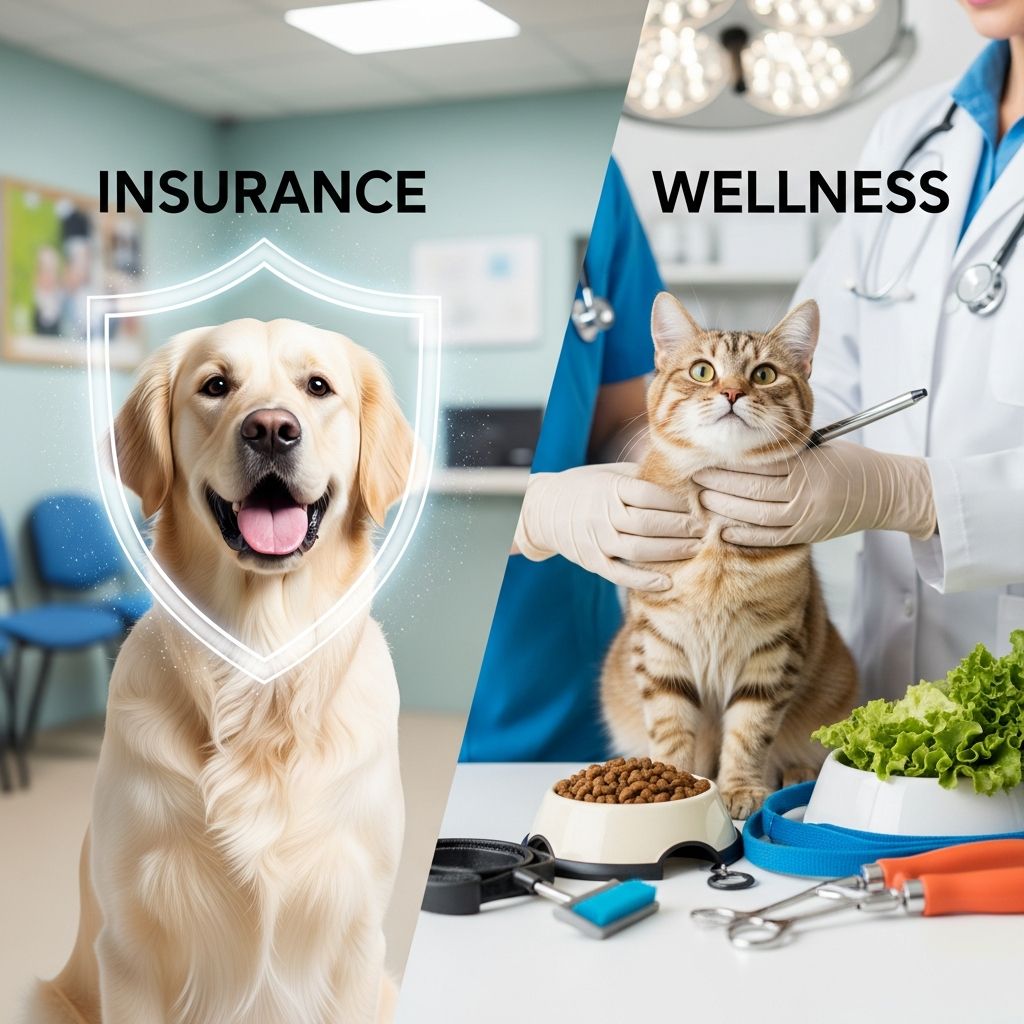
Pet ownership brings immense joy, but it also comes with the responsibility of managing healthcare expenses. As veterinary costs continue to rise, pet owners increasingly seek ways to make quality care more affordable and accessible. Two primary financial tools have emerged to address this challenge: pet insurance and wellness plans. While these terms are sometimes used interchangeably, they serve distinctly different purposes in your pet’s healthcare journey. Understanding these differences is crucial for making informed decisions that align with your financial situation, your pet’s age, and your family’s healthcare priorities.
Understanding the Core Distinctions Between Coverage Types
At their foundation, pet insurance and wellness plans operate on entirely different principles. Pet insurance functions as a protective mechanism against catastrophic or unexpected veterinary expenses, much like health insurance for humans. When your pet experiences an accident, develops an illness, or requires emergency treatment, insurance helps offset the financial burden of that care. Wellness plans, by contrast, are membership-based programs designed to make routine, predictable veterinary expenses manageable through monthly payments. Rather than functioning as insurance, wellness plans work more like a subscription service that bundles essential preventive services into a consistent monthly fee.
The philosophical difference matters greatly when considering which option—or combination of options—suits your needs. Insurance is about preparing for the unexpected; wellness plans are about budgeting for the expected. Many veterinary professionals recommend viewing these as complementary rather than competing solutions. When used together, they create a comprehensive safety net that addresses both routine preventive care and emergency situations.
What Pet Insurance Actually Covers
Pet insurance policies vary significantly in scope and cost, but they uniformly focus on treating conditions and injuries that occur after the policy takes effect. Coverage typically includes treatment for diseases such as cancer, diabetes, and other chronic conditions, as well as injuries from accidents. Emergency veterinary care—often the most expensive type of treatment—falls squarely within the insurance umbrella. These unexpected situations can result in bills ranging from hundreds to thousands of dollars, making insurance particularly valuable for managing financial risk.
However, traditional pet insurance policies explicitly exclude certain categories of care. Routine preventive services such as annual wellness examinations, vaccinations, parasite prevention medications, and scheduled blood work are typically not covered by standard insurance plans. Pre-existing conditions are also commonly excluded, meaning any health issues present before the policy begins will not receive coverage. This is an important distinction that many pet owners overlook when selecting coverage.
Examining Wellness Plan Coverage and Benefits
Wellness plans provide a different value proposition by focusing on services that keep pets healthy rather than treating illness. Standard wellness plan coverage includes unlimited wellness examinations, routine vaccinations, annual or bi-annual blood testing, parasite prevention consultations, and sometimes additional services like nail trims. These plans enable veterinarians to identify early warning signs of developing health issues before they become serious and expensive to treat.
The structure of wellness plans makes them particularly attractive for certain pet owners. Instead of paying a potentially large sum at each veterinary visit, plan members spread costs across monthly payments, typically starting around $10 per month. Many plans offer savings averaging over 30% compared to paying retail prices for individual services. This predictability in costs allows pet owners to budget more effectively and ensures they maintain their pet’s preventive care schedule without worrying about the expense.
Comparing Financial Implications and Value Propositions
| Aspect | Pet Insurance | Wellness Plan |
|---|---|---|
| Primary Purpose | Cover unexpected illnesses and accidents | Budget for routine preventive care |
| Coverage Type | Emergency and disease treatment | Regular exams, vaccines, screenings |
| Cost Structure | Monthly premium plus deductible and copays | Flat monthly membership fee |
| Financial Predictability | Variable depending on treatment needs | Highly predictable monthly costs |
| Coverage Amount | Reimbursement up to policy limits | Services bundled into membership |
| Pre-Existing Conditions | Usually excluded | Typically covered |
When evaluating the financial aspects of these options, pet owners must consider both immediate costs and potential long-term savings. A wellness plan costing $15 monthly ($180 annually) might seem insignificant until you compare it against the actual cost of services. If your pet requires two wellness exams, vaccinations, and annual blood work totaling $400 without a plan, the wellness plan clearly provides value. However, if your pet rarely needs veterinary care beyond basic annual checkups, the cumulative monthly premiums might exceed what you would spend paying out-of-pocket.
Pet insurance premiums vary based on pet age, breed, location, and the specific coverage level selected. Premiums can range from $20 to over $100 monthly. The financial benefit emerges only if your pet requires significant medical treatment, making it a bet against potentially catastrophic expenses. For some pet owners, this financial protection justifies the regular premium payments. For others, particularly those with young, healthy pets, the insurance might represent an unnecessary expense.
Identifying Your Pet’s Specific Healthcare Needs
The optimal choice between these options depends heavily on individual circumstances. Puppies and kittens benefit significantly from wellness plans because their vaccination schedules require frequent veterinary visits. Young pets establishing healthy baselines through regular exams and preventive treatments often experience fewer serious health issues later in life. As pets age, the calculus shifts. Older pets and breeds predisposed to specific health conditions may benefit more from comprehensive pet insurance covering potential genetic or age-related illnesses.
Your pet’s current health status also matters substantially. Pets with pre-existing conditions typically cannot obtain traditional pet insurance because those conditions will be excluded from coverage. In such cases, a wellness plan becomes more valuable as it continues covering preventive care without discrimination based on medical history. Conversely, young, healthy pets without pre-existing conditions represent the ideal insurance candidates because they face lower immediate risk but could benefit from protection against future accidents or unexpected illnesses.
Assessing Your Personal Financial Situation and Risk Tolerance
Beyond your pet’s characteristics, your own financial circumstances should heavily influence this decision. Pet insurance appeals to families who would struggle financially if forced to cover unexpected veterinary emergencies out-of-pocket. If an emergency could push you toward credit card debt or depleting savings, insurance provides valuable peace of mind. However, if you maintain an emergency fund specifically for pet-related expenses, insurance becomes less critical. Similarly, those who would naturally budget for routine veterinary care view wellness plans as a convenient way to lock in predictable monthly costs rather than truly saving money.
Risk tolerance plays an equally important role. Some pet owners prefer financial predictability, knowing exactly what they will pay each month regardless of their pet’s health. This personality type tends to favor wellness plans and may also purchase insurance for additional security. Others accept financial uncertainty as long as they avoid catastrophically large bills, making them better candidates for insurance alone. Still others feel comfortable self-insuring by maintaining adequate savings specifically designated for veterinary emergencies.
The Case for Combining Both Options
Many veterinary professionals and pet owners advocate for utilizing both insurance and wellness plans simultaneously. This integrated approach addresses the complete spectrum of pet healthcare needs. The wellness plan ensures your pet receives regular preventive care, vaccinations, and health monitoring that helps maintain overall wellness and catch problems early. The insurance policy provides a safety net for unexpected illness or injury requiring expensive treatment. When combined, these options create comprehensive protection that minimizes financial worry whether your pet needs routine care or emergency treatment.
However, combining both options increases overall costs, which not every household can accommodate. Additionally, some insurance policies automatically exclude services covered by separate wellness plans to prevent overlap in benefits. Before choosing to combine coverage types, thoroughly review policy documents to confirm that wellness plan benefits will not be excluded from your insurance coverage.
Questions to Consider Before Making Your Decision
- How often does your pet typically visit the veterinarian annually?
- Can your household absorb a $1,000 to $5,000 veterinary emergency expense without financial hardship?
- Does your pet have any pre-existing health conditions that would exclude them from traditional insurance?
- Are you committed to maintaining your pet’s preventive care schedule regardless of cost concerns?
- Does your pet’s breed have any known genetic predispositions to expensive health conditions?
- Are there specific restrictions on which veterinarians you can visit with available plans?
- What is the maximum annual cost you are willing to pay for pet healthcare coverage?
- Does the plan include services you would likely never use, representing wasted money?
Practical Tips for Evaluating Specific Plans
Before committing to any coverage plan, conduct thorough cost comparisons specific to your situation. Research what routine veterinary services would cost at your preferred veterinary clinic if paid out-of-pocket. If a wellness plan costs $180 annually but those same services would cost only $150 without a plan, the plan represents poor value. Conversely, if those services would cost $300, the plan clearly saves money.
Request detailed information about coverage limitations. Some wellness plans cap payments for specific services, meaning you pay the difference between the plan’s allowance and the actual bill. A plan might cover up to $200 for a dental cleaning while your veterinarian charges $350, leaving you responsible for the $150 difference. Understanding these limits prevents unpleasant surprises at the checkout desk.
Investigate whether discount options exist for services not covered by the plan. Some wellness plans provide members with discounts on additional services, prescription medications, or pet products, creating additional value beyond the basic coverage. These discounts can significantly impact the plan’s overall value proposition.
Transitioning Between Coverage Options
Pet owners should not feel locked into their initial choice indefinitely. Circumstances change as pets age, health situations evolve, and financial situations shift. Many plans allow cancellation, though you should understand any cancellation procedures or notice requirements before signing up. As your pet transitions from young and healthy to middle-aged or senior, reassessing coverage options makes sense. A wellness plan that provided excellent value for a three-year-old dog might become unnecessary for a twelve-year-old dog with a different healthcare profile.
Making Your Final Decision
Selecting between pet insurance and wellness plans—or deciding to implement both—represents a significant decision that deserves careful consideration. There is no universally correct answer that applies to every pet owner. The right choice depends on your pet’s age and health status, your financial situation, your risk tolerance, and your commitment to preventive veterinary care. Take time to research available options specific to your location and pet. Compare costs thoroughly. Read policy details carefully. Consider how these tools fit within your broader financial planning. With thoughtful analysis, you can choose coverage that provides both peace of mind and practical financial protection for your beloved companion.
References
- Comparing Pet Insurance and Wellness Plans — Bankrate. 2024. https://www.bankrate.com/insurance/pet-insurance/comparing-pet-insurance-and-wellness-plans/
- Pet Insurance vs. Wellness Plans: Which is Better — Carrollton Animal Hospital. 2023. https://www.carrollcountyah.com/site/blog/2023/10/21/pet-insurance-wellness-plans-better
- Difference Between Pet Insurance and a Pet Wellness Plan — Ferguson Animal Hospital. 2024. https://www.fergusonanimalhospital.com/site/blog/2024/01/15/difference-between-pet-insurance-and-pet-wellness-plan
- Pet Insurance vs. Preventive Care Package — Banfield Pet Hospital. 2024. https://www.banfield.com/products/optimum-wellness-plan/pet-insurance-vs-preventive-care-package
- Difference Between Pet Insurance and Pet Wellness Plan — Experian. 2024. https://www.experian.com/blogs/ask-experian/pet-insurance-vs-wellness-plan/
- Wellness Plans vs. Pet Insurance: What’s the Difference—and Why It Matters — Union Pet Hospital. 2024. https://unionpethospital.com/blog/wellness-plans-vs-pet-insurance/
Similar Articles








Read full bio of medha deb


