

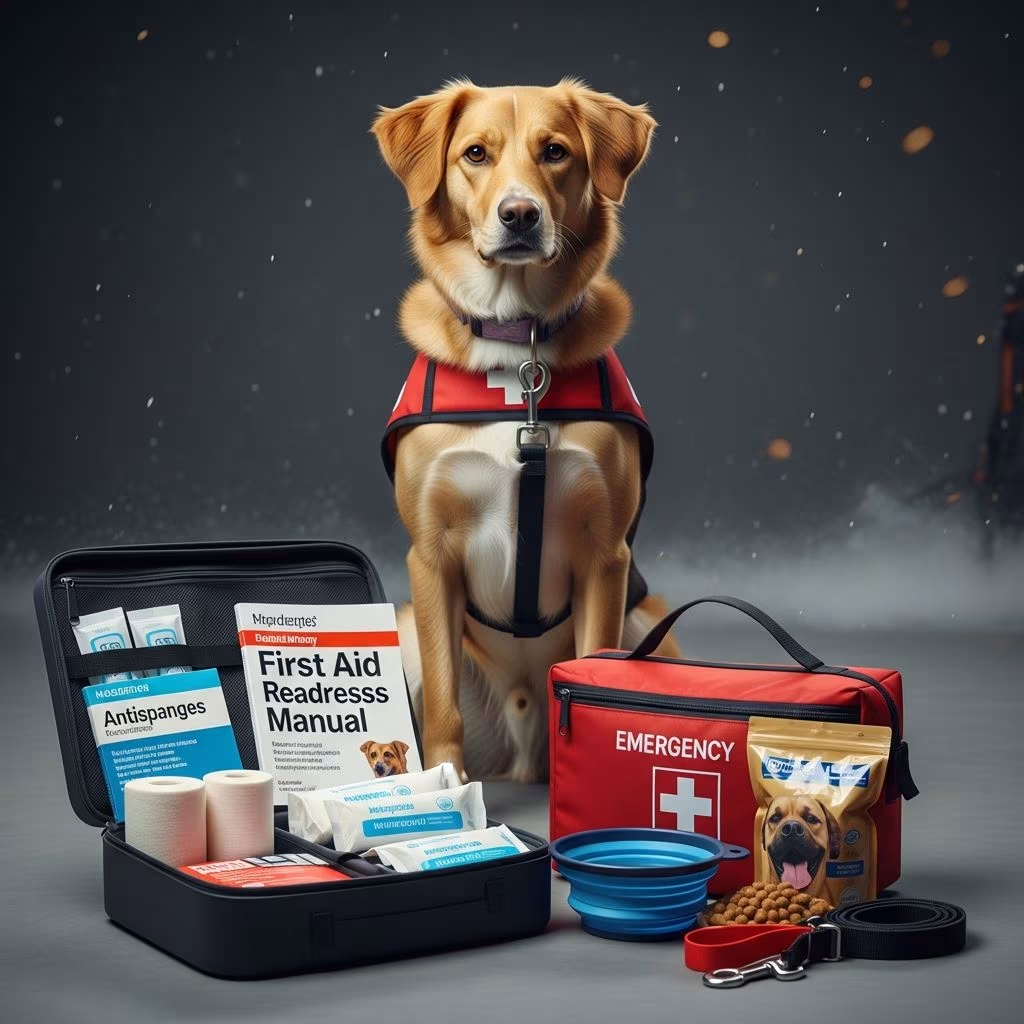
Dogs face unexpected health challenges and environmental threats that demand quick action from owners. From sudden eye injuries to chronic kidney conditions and preparation for natural calamities, proactive measures can make all the difference in outcomes.
Navigating Sudden Eye Injuries in Dogs
Eye trauma in dogs often strikes without warning, requiring immediate vigilance. Common incidents include scratches from play or foreign objects lodging in the cornea, leading to pain, swelling, and potential vision loss if untreated.
Recognizing symptoms early is critical: excessive tearing, squinting, redness, or pawing at the eye signal trouble. Owners should avoid home remedies like human drops, as they can worsen damage. Instead, gently rinse with saline if possible and seek veterinary care promptly.
Treatment typically involves antibiotic ointments, pain relief, and sometimes surgery for deep ulcers. Recovery demands an e-collar to prevent rubbing, plus follow-up exams to monitor healing. Prevention through supervision during rough play and protective eyewear in hazardous areas helps mitigate risks.
Managing Chronic Kidney Disease in Canines
Kidney disease progresses stealthily in dogs, often detected late via symptoms like increased thirst, frequent urination, vomiting, and weight loss. Acute forms stem from toxins or infections, while chronic cases build over years from age or genetics.
Veterinary diagnostics include bloodwork showing elevated creatinine and BUN levels, plus urinalysis for concentration issues. Management focuses on diet: low-protein, phosphorus-restricted foods reduce kidney strain. Hydration via subcutaneous fluids at home, under vet guidance, supports function.
Medications control blood pressure and nausea, while supplements like omega-3s offer anti-inflammatory benefits. Regular monitoring tracks progression, with stages guiding prognosis—early intervention extends quality life significantly.
| Stage | Symptoms | Treatment Focus |
|---|---|---|
| 1-2 (Early) | Mild thirst, dilute urine | Diet change, monitoring |
| 3 (Moderate) | Anorexia, weakness | Fluids, meds, appetite stimulants |
| 4 (Advanced) | Severe lethargy, ulcers | Palliative care, hospice |
Building a Foundation of Basic Obedience for Emergencies
Core commands form the bedrock of emergency readiness. “Sit,” “stay,” and “come” ensure compliance amid chaos, allowing owners to focus on safety.
- Recall Training: Practice in distractions, using high-value rewards to reinforce reliability.
- Leash Manners: Daily walks build comfort with collars and leads, essential for evacuations.
- Down-Stay: Teaches settling, vital in shelters or waiting areas.
Consistency across environments—home, park, noise—solidifies these skills, turning instinctive reactions into dependable responses.
Advanced Skills: Crate and Place Training
Crate training acclimates dogs to confinement, key for transport during disasters. Start positively: meals inside, short sessions building to hours, with toys for comfort.
Place training extends this—designate a mat or bed as “safe spot.” Lure with treats, add duration and distance. Versatility with objects (towel, blanket) prepares for improvised setups in crises.
These reduce stress in unfamiliar settings like emergency shelters, preventing panic that could endanger all.
Simulating Disaster Scenarios at Home
Realistic drills mimic threats like fires or floods. For evacuation, practice loading into vehicles swiftly, rewarding calm behavior.
- Smoke simulation: Use fans for airflow, teaching navigation.
- Noise desensitization: Record alarms, gradually increasing volume.
- Water exposure: Shallow pools for flood prep, building confidence.
Include family in routines, rotating roles to ensure everyone knows protocols. Track progress, adjusting for weaknesses.
Assembling the Ultimate Pet Emergency Kit
A go-bag covers 72 hours minimum: food, water (1 gallon/day), bowls, meds (extra month), records, waste bags, muzzle.
| Category | Essentials | Quantity |
|---|---|---|
| Food/Water | Kibble, collapsible bowls | 3 days supply |
| Medical | First-aid, vaccines copy | Current + extras |
| Comfort | Blanket, toy, leash | 1 each |
Store accessibly, check quarterly. Microchip and ID tags provide recovery chances if separated.
Community Networks and Buddy Systems
Designate backups: neighbors with keys, instructions. Share vet details, allergies. Apps or groups coordinate during alerts.
Pet-friendly shelters via local emergency management; pre-register. Volunteer for drills, gaining insider knowledge.
Health Monitoring and Preventive Vet Care
Routine checkups catch issues early. Annual bloodwork screens kidneys, eyes. Vaccinations, parasite control fortify resilience.
Track intake/output, weight—apps log trends. Dental health prevents secondary infections taxing organs.
FAQs: Dog Health and Disaster Prep
What are first signs of kidney failure in dogs?
Increased drinking/urination, appetite loss, bad breath. Blood tests confirm.
How to treat a dog’s scratched eye at home initially?
Flush with saline, prevent rubbing, vet ASAP. No meds without consult.
Why crate train for disasters?
Ensures safe transport, reduces stress in chaos.
How often practice emergency drills?
Monthly, plus alert seasons.
Best diet for kidney disease dogs?
Prescription low-protein, vet-recommended.
Long-Term Resilience: Mental and Physical Fitness
Exercise maintains health, agility courses build navigation. Mental games prevent boredom-induced issues.
Nutrition tailored to age/condition supports immunity. Stress management via routines aids crisis coping.
Owners’ calm influences pets—practice mindfulness for composed leadership.
References
- Dog Training For Emergency Situations — Off Leash K9 Training. 2023. https://www.offleashk9training.com/dog-training-for-emergency-situations/
- FAQs – National Disaster Search Dog Foundation — Search Dog Foundation. 2024-01-15. https://www.searchdogfoundation.org/faqs/
- Training Your Dog For An Emergency — American Kennel Club. 2023-05-20. https://www.akc.org/expert-advice/training/training-your-dog-for-emergency/
- Pet Emergency and Disaster Preparedness Guide — Best Friends Animal Society. 2024. https://bestfriends.org/pet-care-resources/pet-emergency-and-disaster-preparedness-guide
- Disaster Preparedness — ASPCA. 2023-11-10. https://www.aspca.org/pet-care/general-pet-care/disaster-preparedness
- Pet Disaster Preparedness & Recovery — American Red Cross. 2024-02-01. https://www.redcross.org/get-help/how-to-prepare-for-emergencies/pet-disaster-preparedness.html



