

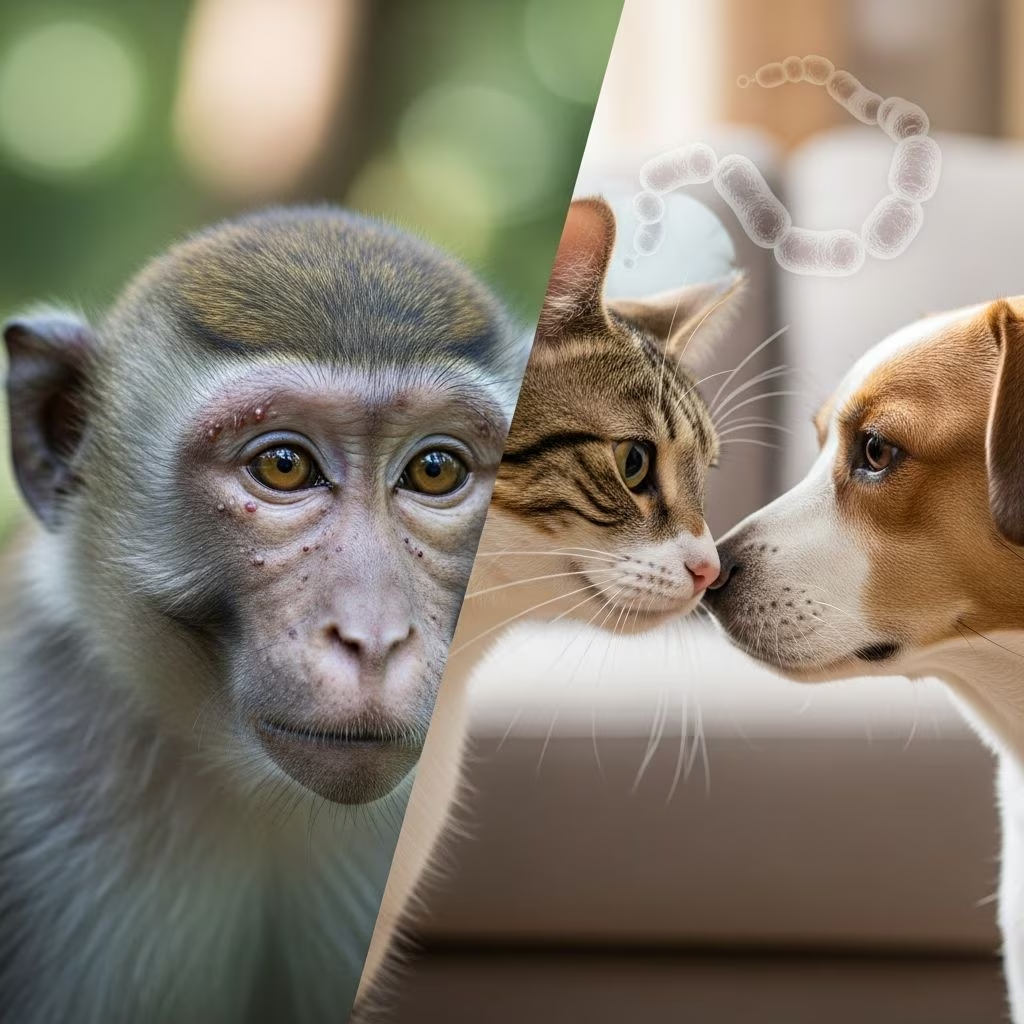
Pet owners today face evolving health challenges from zoonotic diseases that bridge humans and animals. Monkeypox, a viral illness gaining attention globally, poses potential risks to household pets through close interactions. Similarly, Streptococcus zooepidemicus, or Strep Zoo, emerges as a bacterial concern, particularly for exotic pets. This article explores transmission pathways, clinical signs, protective measures, and management strategies to help guardians maintain safe environments for their animals.
Understanding Monkeypox: A Zoonotic Viral Threat
Monkeypox belongs to the Orthopoxvirus genus, capable of infecting various mammals. While primarily circulating among rodents in endemic regions, human cases have surged, raising questions about spillover to companion animals. Recent outbreaks highlight the virus’s adaptability, with documented instances of human-to-pet transmission underscoring the need for vigilance.
Transmission occurs mainly via direct contact. Infected individuals shed the virus through skin lesions, respiratory secretions, or contaminated items like bedding. Pets encounter it during cuddling, licking sores, or sharing sleeping spaces. Aerosol spread remains less defined but possible in prolonged close quarters. Official health bodies emphasize that pets do not drive outbreaks but serve as incidental hosts in domestic settings.
Which Pets Face the Greatest Monkeypox Vulnerability?
Not all animals carry equal risk. Dogs have shown susceptibility, with a notable 2022 case in Europe where a pet contracted the virus from cohabiting owners. Cats’ status remains uncertain, though theoretical risks exist due to similar physiology. Small mammals like rabbits, guinea pigs, hamsters, and rodents top susceptibility lists, mirroring natural reservoirs. Livestock and wildlife also qualify, but urban pet owners prioritize dogs and cats.
- Dogs: Confirmed transmission via bedding sharing and physical contact.
- Cats: No verified cases; monitor for emerging data.
- Small mammals: High risk; isolate from infected households.
- Other pets: Birds and reptiles appear resistant based on current evidence.
Recognizing Monkeypox Symptoms in Your Pet
Early detection hinges on observing non-specific signs overlapping common illnesses. Initial manifestations mimic respiratory infections or allergies, complicating diagnosis without exposure history. Key indicators include:
| Symptom | Description | Common in Which Pets? |
|---|---|---|
| Fever | Elevated temperature, often first sign | Dogs, cats |
| Skin lesions | Blister-like rashes, pimples on abdomen, face, or genitals | Dogs primarily |
| Swollen lymph nodes | Enlarged glands, especially neck and groin | All susceptible mammals |
| Respiratory issues | Cough, runny nose/eyes, inflamed eyes | Dogs, cats |
| Lethargy and anorexia | Reduced activity, loss of appetite | Universal |
Lesions evolve from macules to pustules, crusting over weeks. Not every case presents rashes, urging comprehensive exams. Veterinary PCR testing on swabs confirms presence.
Preventing Monkeypox Spread in Households
Proactive steps minimize bidirectional transmission. Infected or exposed humans must isolate from pets, delegating care to unaffected household members. Key protocols include:
- Wear PPE like gloves, masks during unavoidable interactions.
- Disinfect surfaces, bedding with EPA-approved agents.
- Quarantine exposed pets for 21 days, monitoring daily.
- Avoid shared food bowls, litter areas.
- Practice rigorous hand hygiene post-contact.
Immunocompromised individuals, infants, or those with skin conditions should evade potentially exposed animals. Public health advises against pet surrender; temporary fostering suffices.
Strep Zoo: The Bacterial Hazard Lurking in Pets
Shifting focus, Streptococcus equi subsp. zooepidemicus thrives in horses but opportunistically infects pets via contaminated environments or carriers. This gram-positive bacterium causes severe, rapid-onset infections, dubbed ‘Strep Zoo’ for its zooanimal associations. Outbreaks in guinea pigs and rabbits highlight its potency, with pet cases tied to hay or water sources harboring the pathogen.
Transmission favors close quarters. Inhalation of aerosols from sneezes or ingestion via feed spreads it. Humans rarely contract it, but pet fatalities demand attention. Unlike monkeypox’s viral nature, antibiotics target Strep Zoo if caught early.
Symptoms and Diagnosis of Strep Zoo Infections
Progression is swift, often lethal within days. Watch for:
- Sudden high fever and depression.
- Bloody nasal discharge or pneumonia signs.
- Septicemia leading to organ failure.
- Neurological symptoms in advanced stages.
Veterinarians culture samples from blood, swabs, or necropsies for identification. Prompt penicillin administration improves outcomes.
Protective Measures Against Strep Zoo
Hygiene underpins defense. Source hay from reputable suppliers, refresh water daily, and quarantine new pets. Overcrowding exacerbates risks; maintain spacious enclosures. No vaccines exist, so vigilance prevails.
Diagnostic Approaches and Veterinary Interventions
For both threats, history guides testing. Monkeypox requires biosafety level protocols; Strep Zoo leverages standard bacteriology. Supportive care—fluids, nutrition—bolsters recovery. Consult vets immediately upon suspicion.
Household Management During Outbreaks
Designate clean zones. Use separate utensils, laundry. Monitor all animals, reporting clusters to authorities. Community education curbs panic.
Frequently Asked Questions (FAQs)
Can my dog give monkeypox back to me?
Theoretically yes, via contact with lesions or fluids, though undocumented in pets. Isolate if symptomatic.
Is monkeypox fatal in pets?
Rarely; most recover with care, unlike high-mortality Strep Zoo in exotics.
How long is a pet contagious with monkeypox?
Until lesions crust and scab heal, typically 2-4 weeks.
Should I vaccinate my pet against these?
No specific vaccines; smallpox shots offer partial monkeypox cross-protection in labs only.
What if my pet shows symptoms post-exposure?
Quarantine and seek vet care; notify public health.
Long-Term Strategies for Pet Safety
Build resilience through routine wellness checks, updated knowledge from trusted sources, and emergency preparedness. Zoonoses evolve; adaptability ensures thriving companionship.
References
- Veterinary Guidance for Monkeypox — CDC. 2023. https://www.cdc.gov/monkeypox/hcp/veterinary/index.html
- Mpox (monkeypox) — American Veterinary Medical Association. 2023. https://www.avma.org/resources-tools/one-health/veterinarians-and-public-health/monkeypox
- Can Dogs Transmit Monkeypox to Humans? — PetMD. 2023. https://www.petmd.com/dog/general-health/can-dogs-transmit-monkeypox-humans
- Monkeypox & Pets — Oregon Veterinary Medical Association. 2023. https://www.oregonvma.org/news/monkeypox-infection-in-animals
- Preventing Monkeypox Transmission Between People And Pets — Texas A&M University Veterinary Medicine. 2023. https://vetmed.tamu.edu/news/pet-talk/monkeypox-in-pets/
- Recent first report of human-to-dog transmission of Monkeypox virus — PMC (PubMed Central). 2022-10-01. https://pmc.ncbi.nlm.nih.gov/articles/PMC9534089/



