

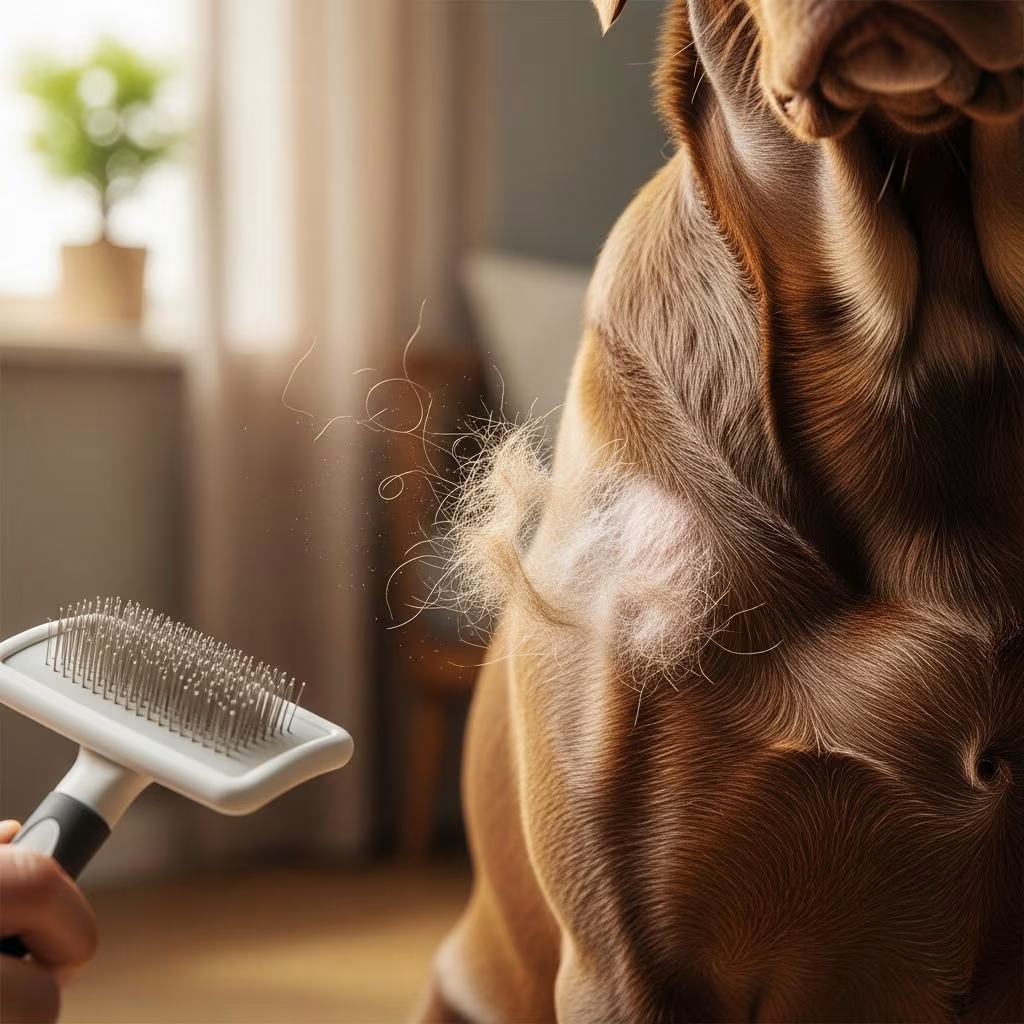
Pet owners frequently encounter hair throughout their homes, yet many don’t fully understand why this natural process occurs. Shedding represents a fundamental biological function that keeps your dogs and cats healthy, comfortable, and well-adapted to environmental changes. Rather than viewing shedding as an inconvenient problem, recognizing it as a normal aspect of pet physiology helps you better care for your companion animals and manage household cleanliness more effectively.
The Biological Foundation of Hair Loss in Pets
Hair growth in dogs and cats follows a cyclical pattern, much like human hair but with distinct differences tied to their survival instincts. This process isn’t random or uncontrolled; instead, it’s governed by precise biological mechanisms that have evolved over thousands of years. Understanding these mechanisms provides insight into why your pet sheds and what you can expect throughout the year.
The primary function of shedding is maintaining coat health and enabling temperature regulation. When pets shed, they’re removing dead hair strands that have completed their growth cycle, eliminating damaged follicles that no longer function properly, and clearing space for new hair growth that better suits current environmental conditions. Additionally, the shedding process allows pets to distribute natural skin oils throughout their coat, promoting healthy fur and skin integrity.
Genetics plays a crucial role in determining how much your individual pet will shed. Different breeds possess varying coat types, hair lengths, and growth cycles inherited from their parents. A poodle may retain actively growing hair for several years, requiring regular trimming to manage length, while a German Shepherd might have a shorter growth phase followed by a prolonged resting period that results in heavier seasonal shedding.
The Hair Growth Cycle Explained
Veterinary professionals recognize distinct phases within the hair growth cycle that explain the timing and intensity of shedding. Learning these phases helps pet owners anticipate when increased grooming might be necessary and understand what’s happening with their pet’s coat.
Growth Phase (Anagen)
During the anagen phase, hair actively grows from the follicle to its genetically predetermined length. This phase duration varies significantly among breeds and individuals. Some pets experience months of active growth, while others may grow hair continuously for years. The length of this phase directly influences how much hair will eventually shed when the growth cycle concludes.
Transition Phase (Catagen)
The catagen phase represents a brief transitional period where hair stops growing but hasn’t yet entered the resting stage. This phase is relatively short, typically lasting days to weeks, and serves as a biological bridge between active growth and dormancy. During this phase, the hair follicle begins preparing for the next stage of the cycle.
Resting Phase (Telogen)
In the telogen phase, hair remains anchored in the follicle but is no longer receiving nutrients for growth. The hair essentially becomes dormant, held in place until new growth pushes it out. This phase can last from weeks to months depending on the breed and environmental factors.
Active Shedding Phase (Exogen)
Some veterinary dermatologists recognize a fourth phase called exogen, which represents the active shedding stage when hair falls from the follicle. This is when you’ll notice the most visible hair around your home, as the old coat makes way for new growth underneath.
Seasonal Patterns in Pet Shedding
While pets shed continuously throughout the year, distinct seasonal patterns emerge that are far more pronounced in some animals than others. These patterns are driven primarily by environmental cues rather than random timing.
Spring Shedding: Preparing for Warmth
As temperatures rise and daylight hours extend, most pets begin shedding their heavy winter coats. This spring shedding is often the most dramatic, particularly in breeds with double coats like Siberian Huskies, German Shepherds, and Labrador Retrievers. During this period, you may notice large clumps of fur coming out during grooming—a phenomenon sometimes called “coat blowing.” The purpose is clear: removing the dense undercoat that kept them warm during cold months but would cause overheating in summer.
Spring shedding typically peaks in April and May in the Northern Hemisphere. Some pet owners report needing to groom their dogs daily during this period to manage the volume of loose hair. Cats, particularly those with denser coats like Maine Coons, Russian Blues, and Ragdolls, also exhibit noticeable spring shedding, though often less dramatically than double-coated dogs.
Fall Shedding: Building Winter Protection
As daylight decreases and temperatures drop, pets undergo a second major shedding event to prepare for colder months. Fall shedding is typically less intense than spring shedding, as the new winter coat being grown is replacing a thinner summer coat. Nevertheless, you’ll still notice increased fur around your home during September and October in temperate climates.
The biology driving fall shedding differs from spring. As days shorten, melatonin production increases in your pet’s brain, triggering the development of a denser coat with an additional undercoat layer. This extra insulation is essential for pets spending time outdoors during winter months, though indoor pets may experience less dramatic changes.
Environmental and Lifestyle Factors Affecting Shedding
While seasonal changes create the most obvious shedding patterns, numerous environmental and lifestyle factors influence when and how much your pet sheds.
Light Exposure and Indoor Living
Artificial lighting fundamentally alters natural shedding patterns in indoor pets. Constant light exposure interferes with the photoperiod cycle that outdoor animals experience, potentially disrupting the normal signals for seasonal coat changes. Research indicates that nearly 47% of indoor dogs shed throughout the year rather than experiencing distinct seasonal peaks. This continuous shedding occurs because artificial lighting mimics extended daylight hours, confusing your pet’s biological clock about what season it actually is.
If you want to more closely align your indoor pet’s shedding with natural patterns, consider limiting artificial light exposure, though this isn’t practical for most households. Instead, expect year-round shedding in indoor pets and plan grooming accordingly.
Temperature Control Systems
Climate-controlled home environments similarly disrupt natural shedding cycles. When your pet lives in a consistently warm, temperature-regulated space, there’s little biological incentive for dramatic seasonal coat changes. Your home’s thermostat essentially confuses your pet’s body about environmental conditions, potentially triggering unpredictable shedding patterns.
Geographic Location and Climate
Geographic location significantly influences shedding patterns. Pets in temperate climates with four distinct seasons experience predictable spring and fall shedding peaks. Those in tropical regions, where temperature and daylight hours remain relatively constant year-round, often shed consistently throughout the year without dramatic seasonal variation. Conversely, pets in cold climates like Canada and Scandinavia experience more extreme shedding cycles, with particularly heavy spring shedding as they shed very dense winter coats.
Distinguishing Normal from Abnormal Shedding
While seasonal shedding is expected and normal, excessive hair loss outside these periods may indicate underlying health concerns requiring veterinary attention. Learning to recognize the difference protects your pet’s wellbeing.
Normal Shedding Characteristics
- Follows predictable seasonal patterns in spring and fall
- Involves loose fur that comes out easily during grooming
- Occurs without accompanying bald patches or skin irritation
- Doesn’t include excessive scratching or behavioral changes
- Maintains normal energy levels and appetite
Signs of Abnormal Shedding
Excessive shedding unrelated to seasonal cycles can stem from various causes that warrant professional evaluation. Stress represents one common trigger—pets experiencing anxiety or significant life changes may shed more heavily. Immune system disorders, poor nutrition, skin infections, and parasites can all trigger abnormal hair loss. Environmental and food allergies frequently cause excessive shedding accompanied by itching and irritation. Pregnancy and lactation also increase shedding in female pets.
If you notice your pet shedding excessively during non-seasonal periods, particularly if accompanied by bald patches, persistent scratching, behavioral changes, or loss of appetite, schedule a veterinary appointment. Early identification of underlying issues prevents complications and restores your pet’s coat health more quickly.
Managing Pet Shedding Throughout the Year
While you cannot eliminate shedding—nor should you try, as it’s essential for pet health—effective management strategies minimize the impact on your home and support your pet’s coat condition.
Grooming Practices by Season
| Season | Recommended Grooming Frequency | Best Tools |
|---|---|---|
| Spring (Peak Shedding) | Daily or every other day | Undercoat rakes, deshedding brushes, slicker brushes |
| Summer | 2-3 times weekly | Regular brushes, combs, grooming gloves |
| Fall (Moderate Shedding) | 3-4 times weekly | Undercoat rakes, deshedding tools |
| Winter (Light Shedding) | 1-2 times weekly | Regular brushes, soft-bristle brushes |
Increasing grooming frequency during peak shedding seasons removes loose fur before it reaches your furniture and clothing. For pets with double coats, specialized deshedding tools prove particularly effective at reaching the undercoat without damaging the outer guard hairs. Regular grooming also provides opportunities to monitor your pet’s skin health and catch any abnormalities early.
Nutrition’s Role in Coat Health
Quality nutrition directly impacts coat condition and shedding intensity. Pets lacking essential fatty acids, protein, and micronutrients often experience poor coat quality and excessive shedding. Ensuring your pet receives a balanced diet with adequate protein supports healthy hair growth and stronger follicles that shed less excessively. If your pet exhibits abnormal shedding, consulting with your veterinarian about dietary adjustments may prove beneficial.
Professional Grooming Services
Professional groomers possess specialized equipment and expertise for managing seasonal shedding, particularly for breeds prone to heavy coat blows. During peak shedding seasons, professional deshedding treatments can remove significantly more loose fur than home grooming alone, reducing household shedding by 50% or more.
Frequently Asked Questions About Pet Shedding
Do all dog breeds shed equally?
No, shedding varies dramatically among breeds. Double-coated breeds like Huskies and German Shepherds shed far more heavily than single-coated breeds. Some breeds, like Poodles, shed minimally year-round. Genetics determine coat type and shedding intensity.
Can indoor pets avoid seasonal shedding?
Indoor pets often shed year-round rather than seasonally due to artificial lighting and temperature control. However, they still may experience some seasonal variation, though less pronounced than outdoor pets.
How long does peak shedding season last?
Spring shedding typically peaks for 4-8 weeks, usually in April and May. Fall shedding is generally less intense and shorter. Duration varies among individual pets and breeds.
Is there a way to stop my pet from shedding?
Shedding cannot and should not be stopped—it’s essential for your pet’s health. However, proper grooming, nutrition, and stress management can minimize excessive shedding.
When should I be concerned about shedding?
Consult your veterinarian if shedding occurs outside normal seasonal patterns, appears excessive, or is accompanied by bald patches, excessive scratching, or behavioral changes.
Conclusion
Pet shedding represents a normal, healthy biological process essential for maintaining coat quality and enabling temperature regulation. By understanding the hair growth cycle, recognizing seasonal patterns, and implementing appropriate grooming practices, you can effectively manage shedding while supporting your pet’s overall health. Whether your pet sheds seasonally or year-round depends on breed, genetics, and environmental factors, but the principles of good nutrition, regular grooming, and stress management apply universally. When shedding appears abnormal or excessive, professional veterinary guidance ensures any underlying health concerns are identified and addressed promptly.
References
- When Is Shedding Season for Dogs & Cats? — Hill’s Pet Nutrition. https://www.hillspet.com/pet-care/behavior-appearance/dog-and-cat-shedding-seasons
- Coat Change & deShedding: Care for Dogs and Cats — FURminator. https://www.furminator.net/en-mt/guide/deshed/coat-change-deshedding-care-for-dogs-and-cats
- How Climate and Seasons Affect Pet Shedding Around the World — ExtraVis Tech. https://extravistech.com/blogs/pet-hair/how-climate-and-seasons-affect-pet-shedding-around-the-world
- Dog Shedding Explained — Embark Veterinary. https://embarkvet.com/resources/dog-shedding-explained/
- Seasonal Changes and Your Pets — ElleVet Sciences. https://www.ellevetsciences.com/blog/seasonal-changes-and-your-pets/



