

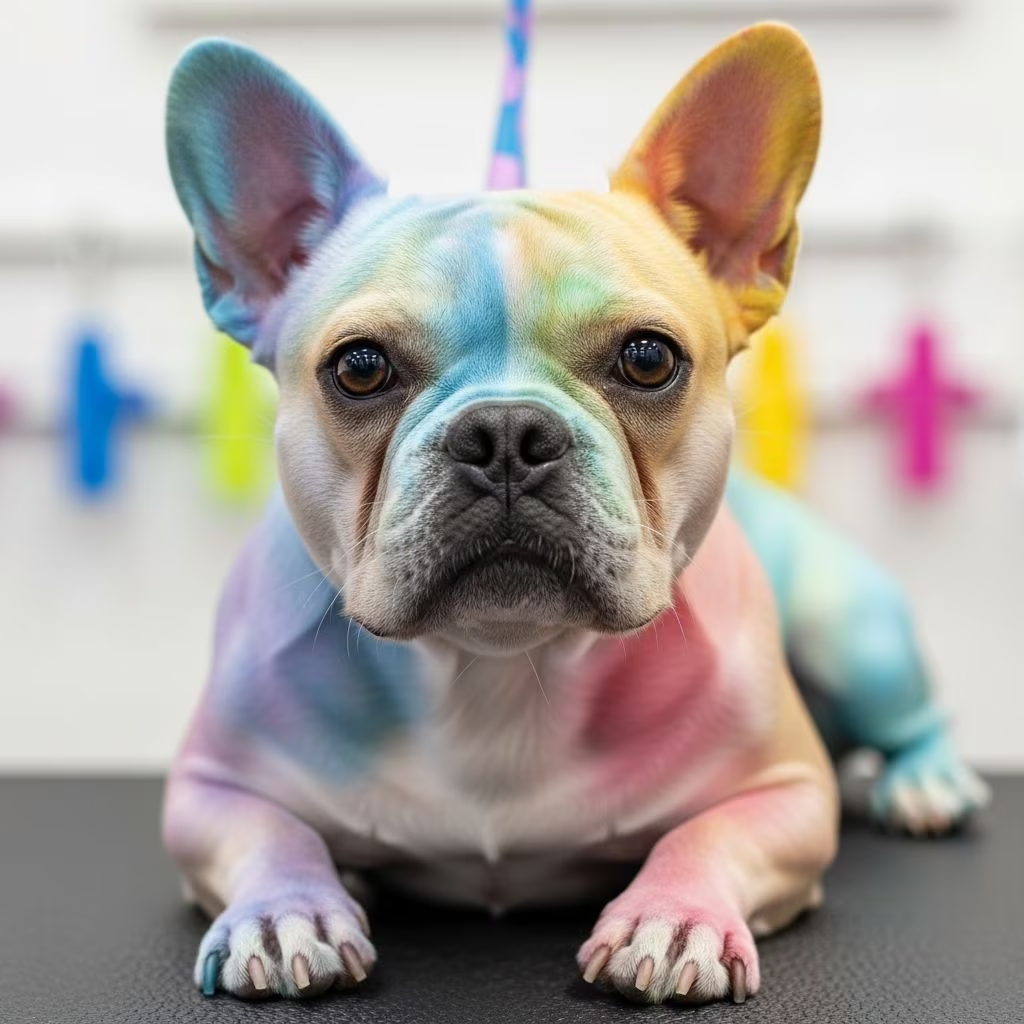
The trend of coloring dog fur has gained popularity in recent years, with pet owners seeking creative ways to express their dogs’ personalities through vibrant hues and artistic designs. However, applying color to your canine companion’s coat requires careful consideration and adherence to safety protocols. This comprehensive guide explores the distinctions between safe and unsafe products, preparation techniques, and best practices for responsible pet hair coloring.
Understanding the Fundamental Differences Between Human and Pet Dyes
One of the most critical distinctions in pet grooming involves recognizing the chemical composition differences between hair dyes formulated for human use and those specifically created for animals. Human hair dyes contain a complex mixture of chemical compounds designed to penetrate and permanently alter human hair structure, but these formulations are fundamentally incompatible with canine physiology and coat characteristics.
Human-grade hair dyes typically contain several problematic ingredients including ammonia, hydrogen peroxide, and para-phenylenediamine compounds. These chemicals serve specific purposes in human hair coloring but pose significant risks when applied to dogs. The peroxide component, while useful in lightening human hair, can cause severe skin irritation and chemical burns on canine skin, which is more sensitive and has different pH levels than human epidermis.
Additionally, human dyes often include synthetic fragrances designed to mask the unpleasant chemical odor associated with the dyeing process. These artificial scent compounds can trigger respiratory irritation in dogs and contribute to systemic health complications when ingested through grooming behaviors. Dogs instinctively lick their fur, meaning any potentially toxic residue on their coat becomes an ingestion concern, not merely a topical exposure issue.
Health Risks Associated with Inappropriate Dye Products
The consequences of using unsuitable coloring products on dogs extend beyond minor discomfort and can result in serious medical complications. Research has documented multiple categories of adverse effects associated with exposure to human hair dyes and other inappropriate formulations.
Immediate Physical Reactions
Dogs exposed to harsh chemical dyes may experience acute physical damage including chemical burns to the skin and mucous membranes, severe allergic reactions manifesting as hives or angioedema, and gastrointestinal distress if dye is ingested during grooming. These reactions can occur within hours of application and may require emergency veterinary intervention.
Long-Term Health Consequences
Beyond immediate reactions, sustained exposure to toxic dye components can compromise a dog’s immune system function, increase susceptibility to infections, and contribute to chronic skin diseases. Para-phenylenediamine, a component found in many human dyes, has been identified as a known carcinogen in scientific literature and poses potential cancer risks with repeated or prolonged exposure.
Stress and Behavioral Impacts
The dyeing process itself can induce psychological stress in dogs through prolonged restraint, exposure to unfamiliar sensations, and discomfort from chemical contact. This stress response can have cascading effects on immune function and overall well-being.
Evaluating Pet-Formulated Dye Options
Recognizing the dangers of human products has led to the development of pet-specific hair dyes designed with canine safety as a primary consideration. However, not all products marketed as “pet-safe” meet equivalent safety standards.
Characteristics of Safe Pet Dyes
Legitimate pet-formulated dyes eliminate ammonia and harsh peroxide concentrations found in human products, instead using gentler formulations that achieve color without extensive chemical processing. High-quality pet dyes typically contain natural or minimally processed ingredients and exclude synthetic fragrances that could irritate canine respiratory systems.
Third-party safety testing provides verifiable assurance of product safety. Independent certification agencies evaluate dyes for potential toxicity, skin irritation, and allergic reaction potential, assigning ratings that indicate safety levels. Products achieving the highest safety ratings from accredited testing laboratories demonstrate rigorous quality control and formulation standards.
Obtaining Recommendations
Professional grooming facilities represent excellent resources for identifying appropriate dye products. Certified pet groomers maintain relationships with reputable manufacturers and possess firsthand experience with product performance and safety profiles. Veterinarians can also provide specific product recommendations based on individual dog characteristics and health status. Local pet supply retailers frequently stock established brands with proven safety records and can discuss product features with knowledgeable staff.
Pre-Coloring Assessment and Preparation
Before applying any dye to your dog’s coat, thorough preparation and assessment procedures minimize potential complications and optimize results.
Evaluating Your Dog’s Suitability
Not all dogs are appropriate candidates for hair coloring procedures. Assessment should consider the dog’s age, overall health status, temperament, and current skin condition. Puppies and senior dogs may have more sensitive skin and lower stress tolerance for grooming procedures. Dogs with existing health conditions, particularly dermatological issues, may experience amplified complications from dye exposure.
Temperament significantly influences the safety and success of the coloring process. Dogs with anxiety, fear-based behaviors, or aggression may experience excessive stress during the procedure, potentially resulting in injury or behavioral complications. Professional assessment by experienced groomers can help determine whether a specific dog possesses the necessary patience and composure for the process.
Examining Skin and Coat Condition
Inspect your dog’s skin thoroughly before scheduling coloring procedures. The presence of scratches, open sores, existing irritation, or itchy patches contraindicates dye application until these issues resolve. Applying dye to compromised skin can cause significant pain and potentially serious infections. Additionally, dogs with diagnosed skin conditions such as allergic dermatitis or seborrhea should not undergo coloring procedures, as the dye could exacerbate these conditions.
Coat preparation is equally important. Matted, tangled, or dirty fur prevents even dye distribution and can trap moisture and chemicals against the skin, increasing irritation risk. Professional groomers recommend thorough brushing, bathing with gentle shampoo, and complete drying before coloring procedures. A clean, well-maintained coat allows dye to absorb evenly and promotes optimal results.
Conducting Patch Testing
Before full application, performing a patch test on a small, inconspicuous area of your dog’s coat allows assessment of individual sensitivity to the specific dye product. Apply a small quantity to the selected area and monitor for 24-48 hours for signs of irritation, itching, redness, or swelling. This precautionary step prevents widespread reactions and provides valuable information about your dog’s compatibility with the product.
Safe Application Techniques and Precautions
Proper application methodology significantly reduces risks and improves outcomes. Professional groomers follow established protocols that protect both the dog and the person performing the coloring.
Areas to Avoid
Never apply dye near the face, including around the eyes, nose, and mouth areas. Contact with mucous membranes causes irritation, discomfort, and potential complications if ingested. These sensitive areas warrant particular caution even when using pet-formulated products.
Application Best Practices
Following manufacturer instructions precisely ensures safe application. Use the recommended quantity—excess dye increases exposure without improving color results. Allow specified processing time before rinsing to achieve desired color without prolonging chemical contact unnecessarily. Rinse thoroughly with lukewarm water until the rinse water runs clear, removing all residual dye from the coat and skin.
Post-Coloring Monitoring and Aftercare
Vigilant observation following the coloring procedure allows early detection of adverse reactions and ensures optimal healing and coat health.
Signs Requiring Veterinary Attention
Monitor your dog closely for allergic reactions including excessive itching, redness, swelling, hives, or signs of respiratory distress. Some dogs may experience delayed reactions within 24-48 hours of coloring. Any indication of discomfort or unusual symptoms warrants immediate veterinary consultation. Chemical ingestion through grooming may cause gastrointestinal symptoms including vomiting, diarrhea, or loss of appetite.
Coat and Skin Maintenance
After coloring, maintain your dog’s coat health through regular brushing to prevent matting and improve circulation. Bathing with mild, moisturizing shampoo helps remove any residual dye and restores natural oils that may have been compromised by the coloring process. Avoid frequent bathing immediately after coloring, as this can fade the color and irritate freshly treated skin.
Addressing Common Misconceptions About Pet Hair Dyeing
Myth: All Pet Dyes Are Completely Safe
Reality: Even formulations marketed as pet-safe require appropriate selection and correct application. Quality varies significantly among manufacturers, and individual dogs may react differently to specific products. Professional-grade dyes from reputable manufacturers with third-party testing certifications offer the highest safety assurance.
Myth: The Dyeing Process Is Inherently Painful for Dogs
Reality: When performed by trained professionals using appropriate products and techniques, hair dyeing should not cause pain. Discomfort may result from improper product selection, inappropriate application methods, or pre-existing skin conditions. Professional groomers prioritize comfort and stress reduction throughout the procedure.
Myth: Hair Color Directly Damages the Hair Structure
Reality: Pet-formulated dyes are designed to color without causing structural damage when used appropriately. Advanced formulations can achieve color changes without extensive bleaching that would damage hair integrity. Proper pre- and post-coloring care maintains coat health and appearance.
Frequently Asked Questions
Can I Use Semi-Permanent or Temporary Color Products Instead of Permanent Dyes?
Semi-permanent and temporary pet-safe products offer lower-risk alternatives for dogs with sensitive skin or first-time coloring experiences. These products wash out gradually and involve less chemical processing than permanent dyes, reducing both immediate irritation risks and long-term exposure concerns.
What Age Should a Dog Be Before Coloring Is Considered Safe?
Puppies have developing immune systems and more sensitive skin, making them inappropriate candidates until at least one year of age. Senior dogs may also present increased risks due to potentially compromised skin barrier function and underlying health conditions.
How Long Does Colored Fur Typically Remain Colored?
Duration depends on whether permanent, semi-permanent, or temporary products were used, as well as individual dog coat characteristics and grooming frequency. Permanent pet dyes may last several months, while semi-permanent formulations typically fade within 6-12 weeks.
Are Certain Coat Colors or Types Better for Dyeing?
Lighter-colored coats typically show color results more dramatically than dark coats. Additionally, certain coat types accept dye more evenly than others, with longer, straighter coats generally producing more uniform results than curly or wiry coats.
References
- The Irreversible Damage of Dying your Dog’s Hair — WashPaw. 2017. https://www.washpaw.com/blog/2017/8/30/the-irreversible-damage-of-dying-your-dogs-hair
- Is Hair Dye Safe for Dogs? — Hill’s Pet Nutrition. https://www.hillspet.com/dog-care/resources/is-hair-dye-safe-for-dogs
- Dog Hair Dye: Facts, Dangers, What to Know Before Starting — PETA. https://www.peta.org/news/dog-hair-dye-dangers-pooch-perfect-problems/
- Everything You Need to Know About Dog Hair Dye Safety Information — Sit Means Sit Dog Training. https://sitmeanssit.com/dog-training-mu/orange-county-dog-training/dog-hair-dye-safety-information/
- Is Pet Hair Dye Containing Peroxide Toxic? — OPAWZ. https://www.opawz.com/blogs/tutorials/is-pet-hair-dye-containing-peroxide-toxic
- The Safety of Pet Hair Dye: Expert Insights from The Rich Groomer Pet Groomers in Sacramento — The Rich Groomer. https://therichgroomer.com/rich-groomer-blog/the-safety-of-pet-hair-dye-expert-insights-from-the-rich-groomer-pet-groomers-in-sacramento/



