

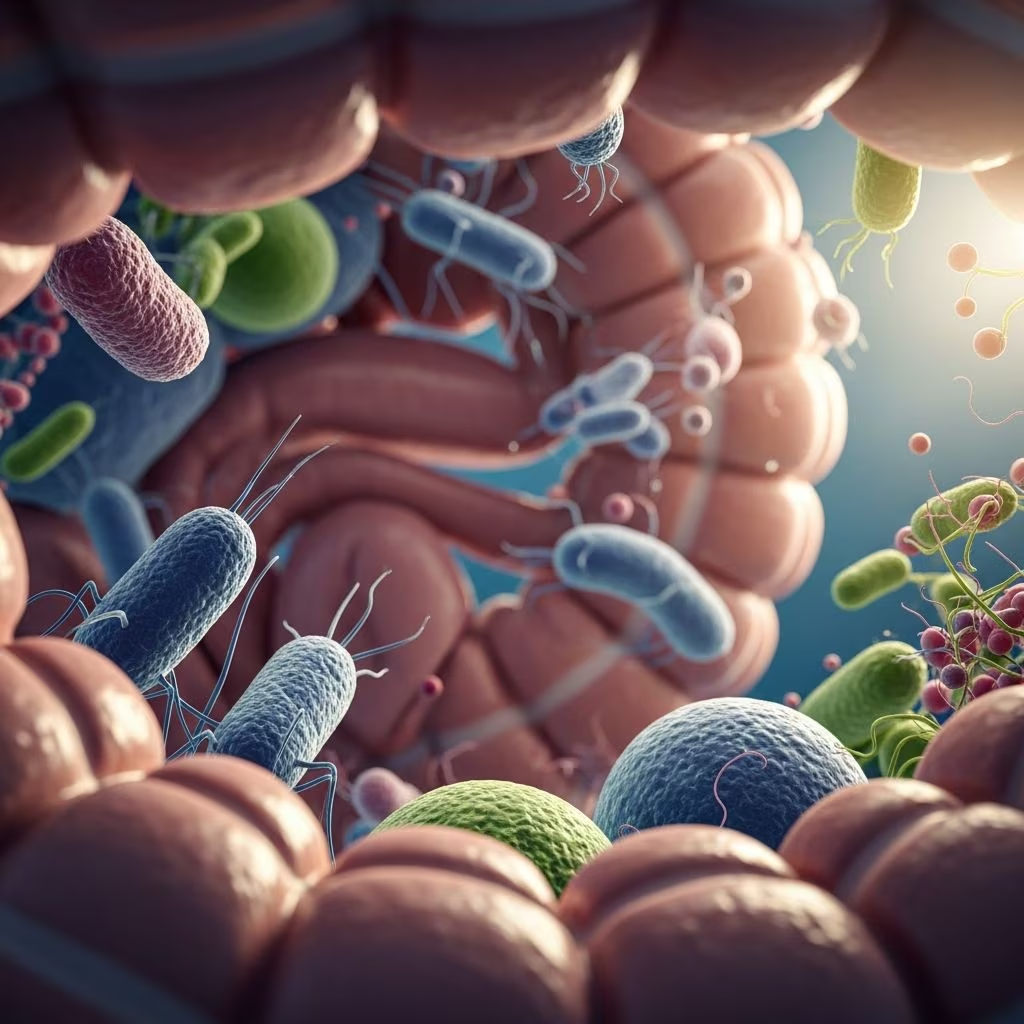
The gut microbiome in pets represents a dynamic ecosystem of trillions of microorganisms residing primarily in the digestive tract, profoundly shaping their physical and mental well-being. This intricate community of bacteria, fungi, and viruses not only facilitates food breakdown but also bolsters defenses against illnesses, synthesizes vital nutrients, and even influences behavioral patterns.
Defining the Pet Gut Microbiome
At its core, the pet gut microbiome comprises an enormous population of microscopic life forms that colonize the gastrointestinal system from birth, evolving through life stages influenced by diet, surroundings, and health events. In dogs and cats, these microbes outnumber the pet’s own cells by a factor of ten, forming a foundational element of physiological function.
A thriving microbiome exhibits diversity and stability, featuring a ‘core’ set of beneficial bacteria consistently present in healthy animals. These organisms perform essential tasks like fermenting dietary fibers into short-chain fatty acids, which fuel intestinal cells and regulate inflammation.
- Diversity: A broad range of species ensures resilience against disruptions.
- Stability: Resistance to shifts from stress, antibiotics, or poor diet.
- Functionality: Production of metabolites that support host health beyond the gut.
Core Functions in Daily Health
The microbiome orchestrates several critical processes. It breaks down complex carbohydrates and proteins that the pet’s enzymes cannot handle alone, enhancing nutrient uptake. Additionally, certain bacteria produce vitamins such as B and K, essential for blood clotting and energy metabolism.
Immune modulation stands out as a primary role, with roughly 70% of immune cells housed in the gut-associated lymphoid tissue. Beneficial microbes train these cells to distinguish threats from harmless elements, curbing allergies and infections.
| Microbiome Function | Health Benefit | Example Microbes |
|---|---|---|
| Digestion Aid | Nutrient Breakdown | Bifidobacteria |
| Vitamin Synthesis | Essential Nutrient Supply | Lactobacillus |
| Pathogen Barrier | Infection Prevention | Bacteroides |
| Immune Regulation | Allergy Reduction | Faecalibacterium |
Impacts Across Body Systems
Beyond digestion, microbial activity sends signals via metabolites and immune pathways to distant organs. Skin conditions, such as atopic dermatitis, often link to gut dysbiosis, where reduced microbial diversity correlates with inflammation.
Joint health benefits from anti-inflammatory compounds like butyrate, which dampen systemic responses implicated in arthritis. Oral health ties in too, as gut microbes influence saliva composition and plaque formation indirectly.
Behavioral effects emerge through the gut-brain axis, where microbial neurotransmitters affect mood stability. Pets with balanced microbiomes show fewer anxiety signs and steadier temperaments.
Factors Disrupting Microbial Balance
Dysbiosis, or imbalance, arises from various stressors. Antibiotics wipe out beneficial strains alongside pathogens, often leading to diarrhea and prolonged recovery.
Dietary shifts to low-fiber, processed foods starve key microbes, shrinking diversity. Age-related changes, weaning, and environmental stressors like travel further destabilize the ecosystem.
- Antibiotics: Broad-spectrum use decimates populations.
- Stress: Transportation elevates harmful bacteria like Proteobacteria.
- Poor Diet: Lack of fiber reduces short-chain fatty acid producers.
- Age: Puppies and seniors face natural fluctuations.
Nutritional Strategies for Support
Diet forms the cornerstone of microbiome maintenance. Incorporating diverse fibers from sources like chicory root, beets, and psyllium feeds a wide microbial array, promoting resilience.
Protein quality matters for carnivores; some strains ferment amino acids into beneficial metabolites when fiber is limited. Early-life nutrition, especially in the first months, imprints lifelong patterns.
Probiotics, Prebiotics, and Synbiotics
Probiotics introduce live beneficial bacteria, aiding post-antibiotic recovery and easing bloating. Effectiveness varies by strain and quality, so veterinary guidance is key.
Prebiotics are indigestible fibers nourishing resident good bacteria. Synbiotics combine both for amplified effects, boosting short-chain fatty acid output and diversity.
Postbiotics, inactivated microbial components, offer stability in foods, delivering signals without viability concerns.
| Supplement Type | Mechanism | Best Uses |
|---|---|---|
| Probiotics | Add Live Bacteria | Diarrhea, Immunity Boost |
| Prebiotics | Feed Existing Microbes | Diversity Enhancement |
| Synbiotics | Combined Action | Comprehensive Support |
| Postbiotics | Metabolite Signaling | Food Fortification |
Recognizing Imbalance Signs
Watch for chronic loose stools, unexplained weight loss, recurrent ear infections, or itchy skin as dysbiosis indicators. Behavioral shifts like increased aggression or lethargy may signal gut-brain disruptions.
Veterinary diagnostics, including fecal analysis, pinpoint imbalances. Treatments range from dietary tweaks to fecal transplants for severe cases.
Practical Daily Tips
- Introduce new foods gradually over 7-10 days.
- Opt for high-quality, fiber-rich kibble or fresh foods.
- Administer probiotics during antibiotic courses.
- Minimize stress with routine exercise and calm environments.
- Schedule annual vet checks for microbiome assessment.
Research Frontiers and Future Care
Ongoing studies explore microbiome roles in obesity, cancer, and neurodegeneration. Therapies like targeted synbiotics promise precision interventions.
Personalized nutrition based on fecal profiling could revolutionize pet care, matching diets to individual microbial profiles.
Frequently Asked Questions
What foods improve pet gut health?
Pumpkin, kefir, bone broth, and fiber blends from veggies support microbes. Consult vets for tailored additions.
Can antibiotics harm the microbiome?
Yes, they disrupt balance; pair with probiotics for protection.
Is the microbiome different in dogs vs. cats?
Yes, cats favor protein-fermenters; dogs handle more fiber diversity.
How long to see probiotic benefits?
Typically 2-4 weeks for digestive improvements.
Does age affect the microbiome?
Significantly; support pups and seniors with synbiotics.
References
- Gut Health: The Importance of Your Pet’s Gut Biome — Normanhurst Veterinary Clinic. 2023. https://www.normanhurstvet.com.au/gut-health-the-importance-of-your-pets-gut-biome/
- The Benefits of Pets’ Bacterial Microbiome — University of Illinois College of Veterinary Medicine. 2022-10-15. https://vetmed.illinois.edu/pet-health-columns/pets-microbiome/
- Gut microbiome – the key to our pets’ health and happiness? — National Center for Biotechnology Information (PMC). 2024-05-28. https://pmc.ncbi.nlm.nih.gov/articles/PMC11188957/
- Understanding Your Pet’s Microbiome — Hill’s Pet Nutrition. 2023. https://www.hillspet.com/pet-care/nutrition-feeding/what-is-pet-microbiome
- Gut microbiome impacts pet skin, joint and oral health — Petfood Industry. 2024-01-15. https://www.petfoodindustry.com/nutrition/pet-food-additives-supplements/article/15769880/gut-microbiome-impacts-pet-skin-joint-and-oral-health



