
Pet Grooming Safety: Health Risks and Prevention
Learn critical grooming dangers and protective strategies for your beloved companion.
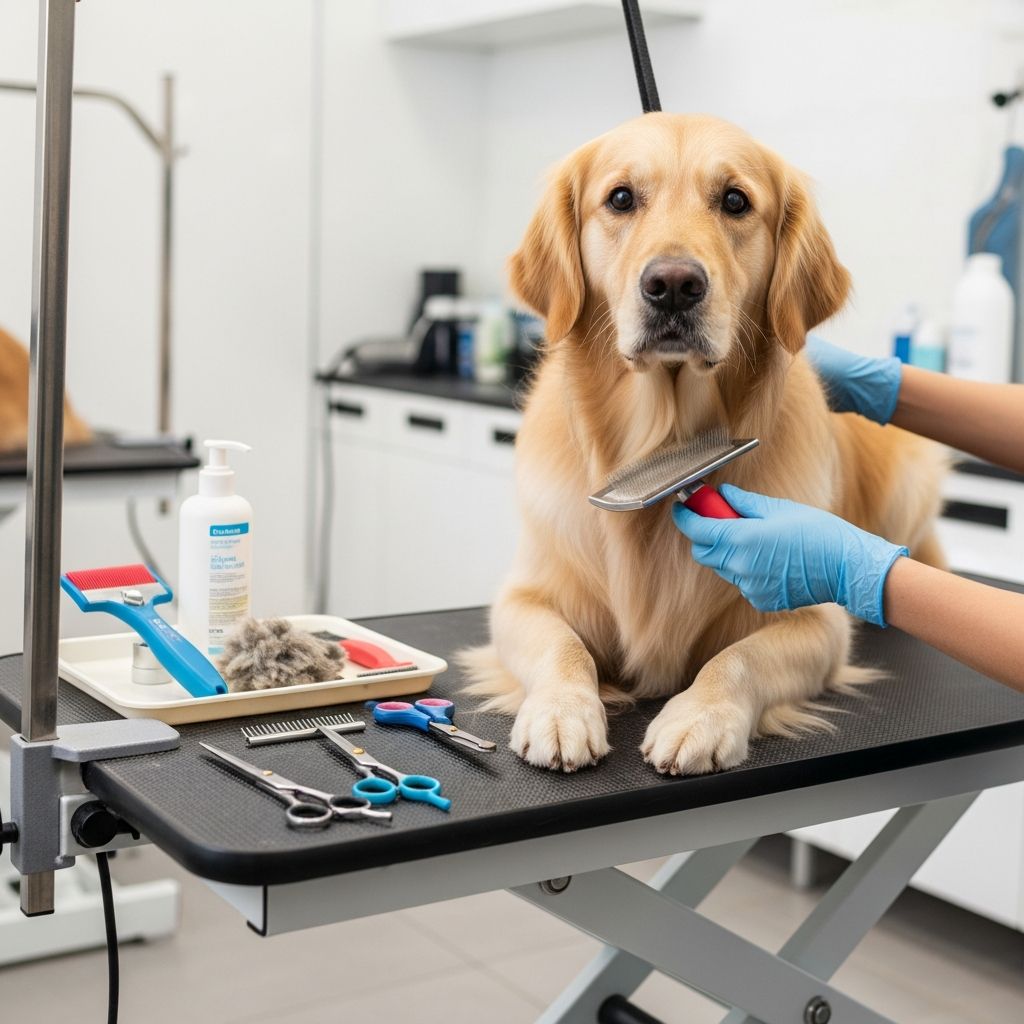
Pet grooming is widely recognized as an essential component of animal care that maintains coat health, prevents skin complications, and contributes to overall wellness. However, grooming procedures—whether performed professionally or at home—carry inherent risks that pet owners and groomers must understand and actively mitigate. From bacterial infections to physical injuries, the grooming process can inadvertently cause harm when proper protocols and precautions are not followed. This comprehensive guide examines the potential dangers associated with grooming companion animals and provides evidence-based strategies to ensure your pet remains safe throughout the grooming experience.
The Paradox of Grooming: Prevention Versus Unintended Consequences
Regular grooming serves multiple protective functions in pet health management. When performed correctly, grooming prevents matting, reduces skin irritation, facilitates early detection of parasites or tumors, and allows veterinarians to identify emerging health conditions before they become serious. However, the very act of grooming can create vulnerabilities in a pet’s natural defenses, opening pathways for infection and physical trauma. The distinction between beneficial grooming and grooming-related injury often depends on technique, equipment cleanliness, handler expertise, and individual pet physiology.
Understanding these dual aspects of grooming enables pet owners to advocate for their animals’ safety while maintaining necessary hygiene and coat management practices. The goal is not to avoid grooming entirely but to implement safeguards that minimize risk while maximizing health benefits.
Bacterial and Fungal Infections: The Unseen Threat in Grooming Facilities
One of the most serious complications following grooming is the development of bacterial or fungal skin infections. These infections can occur when grooming equipment—including clippers, scissors, combs, and brushes—harbor microorganisms that transfer between animals. High-volume grooming facilities with rapid appointment turnover face elevated risk, particularly when staff fail to properly disinfect tools between clients or maintain clean work surfaces.
According to veterinary sources, infections such as folliculitis, a condition affecting hair follicles, and furunculosis, a deep skin infection, are documented complications following grooming sessions. These infections can manifest several days post-grooming, with symptoms including fever, lethargy, and visible skin lesions. Owners may notice red, oozing areas on their pet’s skin, particularly on sensitive regions like the abdomen or areas that received intensive grooming attention.
How Contamination Spreads During Grooming
- Unsterilized clipping blades transfer bacteria between multiple animals
- Shared brush and comb sets without adequate disinfection protocols
- Contaminated grooming tables and work surfaces
- Water systems used during bathing that harbor pathogenic organisms
- Inadequate hand hygiene practices among grooming staff
Professional grooming facilities should implement rigorous sanitation standards, including autoclaving or high-level disinfection of metal tools, regular surface cleaning, and documented hygiene protocols. When selecting a groomer, inquire specifically about their disinfection procedures and sanitation standards.
The Matting Crisis: Beyond Aesthetic Concerns
Matted fur represents one of the most underestimated dangers in pet grooming, particularly for long-haired breeds such as Maltese, Shih Tzu, and Poodle varieties. While owners often associate matting with appearance, the physiological consequences of tangled, clumped fur extend far beyond cosmetic issues.
Chronically matted hair traps moisture, dirt, and bacteria against the skin, creating an ideal environment for fungal and bacterial proliferation. Additionally, severely matted coats can physically constrict blood flow and lymphatic drainage, potentially causing tissue necrosis and bone damage in extreme cases. Senior pets experiencing age-related joint stiffness are particularly vulnerable to the discomfort and mobility restrictions caused by matted fur pulling on the skin.
Medical Consequences of Untreated Matting
| Condition | Mechanism | Clinical Presentation |
|---|---|---|
| Hot spots | Bacterial infection in moist, matted areas | Red, inflamed, oozing skin patches |
| Ear infections | Moisture and bacterial growth in ear canal hair | Discharge, odor, head shaking, pain |
| Parasitic infestations | Mats provide hiding places for fleas and ticks | Itching, allergic reactions, anemia |
| Skin irritation | Pulling tension on skin from mat weight | Redness, discomfort, restricted movement |
| Ocular infections | Hair matting around eyes traps debris | Redness, discharge, vision obstruction |
Long-haired cats present particular grooming challenges, as their specialized coat structure predisposes them to severe matting. Cats with extensive mats may require complete coat removal, a dramatic intervention that underscores the importance of preventive brushing and regular grooming maintenance.
Parasites and Pest Infestations: The Hidden Consequence of Neglected Coats
Matted and unkempt coats create ideal environments for parasites to establish themselves undetected. Fleas, ticks, and mites can proliferate within tangled fur where grooming staff and owners cannot easily identify early-stage infestations. This delayed detection allows populations to expand exponentially before intervention occurs.
The consequences of unchecked parasitic infestations extend beyond the affected pet. Fleas can transmit between household animals, creating widespread infestations that become progressively harder to control. In severe cases, parasitic infestations can cause anemia, allergic reactions, and skin diseases. Furthermore, certain flea and tick species can transfer to human household members, creating public health implications.
Grooming-Related Physical Trauma and Iatrogenic Injury
Physical injuries represent a significant category of grooming-related harm, encompassing both professional grooming complications and home grooming accidents. These injuries can range from minor abrasions to severe lacerations requiring emergency veterinary intervention.
Common Grooming-Related Injuries
- Over-clipped nails: Trimming nails too short exposes sensitive tissue and blood vessels, creating entry points for infection and causing pain during ambulation
- Ingrown toenails: Rapid nail growth in certain breeds, particularly cats with hairy paws, can curl inward and penetrate the paw pad
- Scissor lacerations: Improper technique during mat removal can result in deep cuts requiring surgical closure
- Clipper burns: Excessive friction from dull or improperly maintained clippers creates heat and skin damage
- Skin tears: Aggressive mat removal through pulling or tugging causes micro-tears and macroscopic lacerations
- Restraint-related injuries: Improper grooming loops or excessive restraint pressure can compromise circulation or damage tracheal structures
Mat removal represents a particularly high-risk grooming activity, especially when performed at home without professional training. Attempting to remove mats with scissors or clippers without proper technique frequently results in accidental skin lacerations. Professional groomers and veterinarians possess the skills and tools to remove mats safely, minimizing trauma to surrounding tissue.
Underlying Health Conditions Revealed Through Grooming
While grooming can reveal pre-existing health conditions, it is crucial to distinguish between conditions that grooming uncovers and conditions that grooming actually causes. The grooming process may exacerbate symptoms or initiate stress responses that highlight previously undiagnosed medical issues.
Pets with undiagnosed arthritis or joint pain may demonstrate difficulty maintaining prolonged standing positions, reluctance to lift limbs for nail trimming, or sensitivity during grooming. Similarly, animals with collapsed trachea or respiratory compromises may experience increased breathing difficulties during grooming due to positioning and stress responses. Grooming procedures can also unmask neurological issues, cardiac conditions, and seizure disorders through stress-induced exacerbation.
Brachycephalic breeds—including Bulldogs, Pugs, and Shih Tzus—face particular respiratory challenges during grooming due to their anatomically compromised airway structures. The stress and physical positioning involved in grooming procedures can trigger respiratory distress in these vulnerable breeds.
Behavioral and Psychological Impacts of Grooming Stress
Beyond physical complications, grooming procedures can elicit significant behavioral and psychological responses in companion animals. Research indicates that grooming—particularly brushing and handling—can generate stress behaviors including aggression, withdrawal, and facial discomfort, even in animals habituated to grooming from early life.
Stress during grooming procedures triggers physiological responses including elevated adrenaline and cortisol levels, which can precipitate gastrointestinal upset, exacerbate anxiety disorders, and compromise immune function. Some animals develop negative associations with grooming activities and groomers, creating conditioning that complicates future necessary care.
Practical Strategies for Safe Grooming at Home and Professional Settings
Selecting a Professional Grooming Facility
- Verify disinfection protocols and sanitation standards for all grooming tools and work surfaces
- Inquire about groomer certifications and experience with your specific breed
- Request facility tours to assess cleanliness and equipment maintenance
- Ask about stress-reduction techniques and handling methods
- Obtain references from other pet owners
- Clarify policies regarding pets with pre-existing health conditions
Post-Grooming Monitoring and Care
Following grooming sessions, carefully monitor your pet for signs of infection or injury over the subsequent 24 to 48 hours. Watch sensitive areas including ears, paws, armpits, and the tail base for redness, discharge, swelling, or behavioral changes indicating pain. Prevent excessive licking of freshly groomed areas, as this can delay healing and introduce bacteria from the mouth to grooming sites.
If your pet displays lethargy, fever, loss of appetite, or visible skin lesions following grooming, seek veterinary evaluation promptly. Early intervention can prevent minor complications from developing into serious infections.
Home Grooming Safety Considerations
If you choose to groom your pet at home, invest in high-quality, properly maintained equipment. Dull clippers generate heat and friction that damages skin; keep blades sharp and clean. Learn proper nail trimming techniques that avoid the quick, or consider having a veterinarian demonstrate proper technique on your specific pet.
For mat removal, use appropriate clippers rather than scissors, and consider professional assistance if mats are extensive or tightly woven into the coat. Develop a regular brushing routine to prevent mat formation rather than attempting major mat removal projects.
Frequently Asked Questions About Grooming Safety
Can grooming cause infections in my pet?
Yes, grooming can cause infections if tools are not properly disinfected or if the grooming procedure creates breaks in the skin through which bacteria can enter. However, infections are preventable through rigorous sanitation practices and proper technique.
How often should I groom my long-haired pet to prevent matting?
Grooming frequency depends on coat type and individual characteristics. Long-haired breeds typically require brushing multiple times weekly and professional grooming every 6 to 8 weeks to prevent matting. Consult breed-specific guidelines or your groomer for personalized recommendations.
What are signs my pet is experiencing grooming-related complications?
Watch for fever, lethargy, visible skin lesions, excessive licking or chewing of grooming sites, limping, difficulty moving, or behavioral changes following grooming. Seek veterinary evaluation if you notice any concerning symptoms.
Is it safer to groom my pet at home?
Home grooming can be safe if you are trained in proper techniques and maintain equipment properly. However, professional groomers possess specialized skills for handling complications and managing difficult mats. Consider a combination approach where professionals handle complex tasks while you maintain regular brushing.
Conclusion: Balancing Grooming Benefits with Safety Awareness
Grooming remains an essential component of responsible pet ownership that supports coat health, enables early disease detection, and contributes to overall wellness. The potential risks associated with grooming should not discourage necessary care but rather motivate informed decision-making and the selection of safe grooming practices.
By understanding grooming-related complications, selecting qualified professionals with rigorous sanitation standards, implementing proper home grooming techniques, and maintaining vigilant post-grooming monitoring, pet owners can maximize the benefits of grooming while minimizing associated risks. Your commitment to safe grooming practices reflects your dedication to your companion animal’s long-term health and quality of life.
References
- Grooming-Related Concerns Among Companion Animals — National Center for Biotechnology Information (NCBI), U.S. National Library of Medicine. 2023-02-01. https://www.ncbi.nlm.nih.gov/pmc/articles/PMC8907591/
- The Dangers of Grooming Your Dog or Cat — Animal Medical Center of New York (AMCNY). 2023-03-22. https://www.amcny.org/blog/2023/03/22/the-dangers-of-grooming-your-dog-or-cat/
- Hair Comes Trouble: Why Pets Need Regular Grooming — American Society for the Prevention of Cruelty to Animals (ASPCA). 2024. https://www.aspca.org/news/hair-comes-trouble-why-pets-need-regular-grooming
- The Hidden Dangers of Matted Fur and the Importance of Grooming Beyond Appearance — Healthy Pet Care Guide. 2024. https://www.healthy-pet.com/blogs/blog/the-hidden-dangers-of-matted-fur-and-the-importance-of-grooming-beyond-appearance
- Correlation Isn’t Causation: Grooming Reveals Preexisting Issues — Roman’s Empire Grooming. 2024. https://www.romansempiregrooming.com/grooming-reveals-health-issues
- 9 Common Health Risks for Dog Groomers and How to Prevent Them — Sharper Edges Professional Grooming. 2024. https://sharperedges.co.uk/blogs/news/9-common-health-risks-for-dog-groomers-and-how-to-prevent-them
- Can Dog Grooming Cause Infection? — Logan’s House Dog Grooming & Daycare. 2024. https://www.loganshouse.com/can-dog-grooming-cause-infection
Similar Articles








Read full bio of Sneha Tete


