

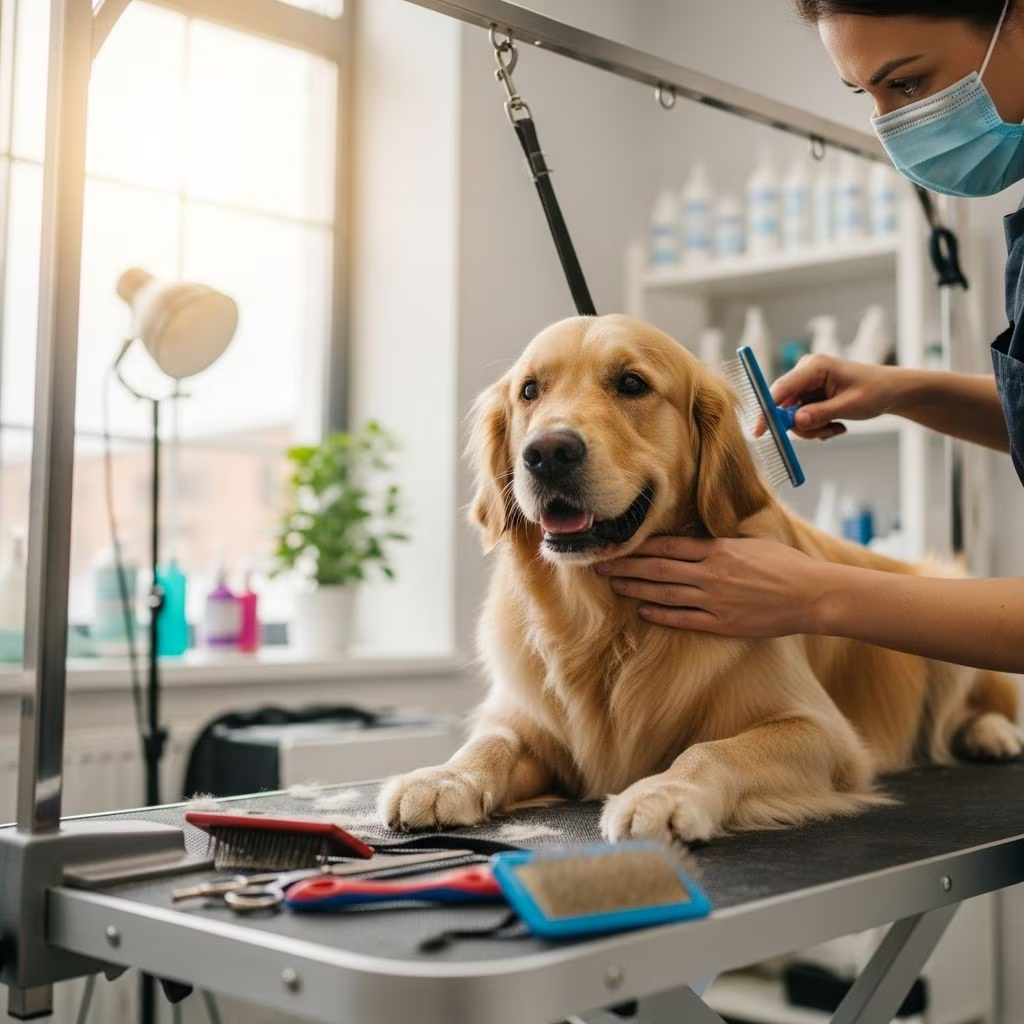
Pet Grooming and Hygiene During COVID-19: A Veterinarian’s Guide
As the COVID-19 pandemic continues to impact communities worldwide, pet owners face unique challenges in maintaining their animals’ health and hygiene. Professional grooming facilities have implemented new safety protocols, while many pet owners are learning to manage grooming needs at home. Understanding how to keep your pet clean, comfortable, and healthy during this time is essential. This comprehensive guide addresses common questions about pet grooming during the pandemic and provides practical solutions from veterinary experts.
Understanding Pet Grooming During the Pandemic
Pet grooming is an important aspect of pet health that extends beyond aesthetics. Regular grooming prevents skin infections, matting, overgrown nails that can cause mobility issues, and dental problems. During COVID-19 lockdowns and restrictions, many professional grooming facilities temporarily closed or significantly limited their services. This shift prompted pet owners to take a more hands-on approach to their pets’ grooming and hygiene needs.
The pandemic highlighted the importance of having a plan for your pet’s care, including grooming and hygiene maintenance. Whether you manage grooming at home or use professional services, understanding the proper techniques and safety measures is crucial for your pet’s wellbeing.
How Often Should You Groom Your Pet During COVID-19?
The frequency of grooming depends on your pet’s breed, coat type, and individual needs. Dogs with longer coats typically require more frequent brushing than those with short hair. During the pandemic, many veterinarians recommend maintaining regular grooming schedules to prevent matting and skin problems that could complicate your pet’s health.
Establish a grooming routine that works for your household circumstances. For most dogs, weekly brushing sessions help maintain coat health, reduce shedding, and allow you to inspect your pet’s skin for any abnormalities. Nail trimming should occur every 4-6 weeks, or more frequently if you notice overgrowth. Bathing frequency varies by breed and lifestyle, typically ranging from monthly to every few months.
At-Home Pet Grooming Techniques
Learning to groom your pet at home offers several advantages during pandemic restrictions. You maintain full control over your pet’s safety, reduce exposure risks, and can address grooming needs immediately as they arise.
Brushing and Coat Maintenance
Regular brushing is the foundation of at-home pet grooming. Invest in quality brushes appropriate for your pet’s coat type, whether slicker brushes for long coats or rubber curry brushes for short-haired breeds. Brush your pet in a calm environment where they feel comfortable. Start with short sessions and reward your pet with treats and praise to create positive associations with grooming.
During brushing sessions, check for signs of skin issues, parasites, or unusual lumps. Look for matting, particularly around the ears, armpits, and hind legs where tangles commonly develop. Address mats gently using dematting sprays and specialized combs rather than forcing brushes through tangled areas, which can hurt your pet and damage their coat.
Bathing Your Pet Safely
Bathing at home requires preparation and patience. Gather all necessary supplies before beginning: pet shampoo, towels, a non-slip mat for the tub, and warm water. Never use human shampoo, as it can irritate your pet’s skin and disrupt their skin’s pH balance. Choose a pet shampoo formulated for your pet’s specific needs, such as oatmeal-based formulas for sensitive skin or medicated shampoos if your veterinarian recommends them.
Use lukewarm water, as hot water can dry out your pet’s skin and cause discomfort. Wet your pet’s coat thoroughly, then apply shampoo and lather gently, avoiding the eyes, ears, and nose. Rinse completely to prevent residue buildup. Pat your pet dry with towels and allow them to shake off excess water in a designated area. Some pet owners use pet-safe hair dryers on low settings for long-haired breeds, though many pets find this stressful.
Nail Care and Maintenance
Overgrown nails can cause pain, mobility problems, and joint issues. Learning to trim your pet’s nails at home prevents these complications and saves on grooming costs. You’ll need proper nail clippers designed for your pet’s size—guillotine clippers for small dogs and cats, or scissor-style clippers for larger breeds.
Hold your pet’s paw gently and locate the quick, the pink area inside the nail containing blood vessels. Trim only the clear portion of the nail, stopping before the quick. If you accidentally cut the quick and bleeding occurs, apply styptic powder to stop the bleeding. If you’re uncertain about nail trimming technique, ask your veterinarian to demonstrate the proper method or consider having a professional perform this task.
Ear and Dental Care
Check your pet’s ears weekly for cleanliness and signs of infection such as odor, redness, or discharge. Use a damp cloth or veterinarian-approved ear cleaning solution to gently clean the outer ear. Never insert cotton swabs into the ear canal, as this can cause injury.
Dental health is often overlooked in home grooming routines. Brush your pet’s teeth daily using a pet-specific toothbrush and toothpaste. Establish this routine early to help your pet become comfortable with the process. Dental chews and toys designed to promote oral health also support your pet’s dental wellbeing.
Professional Pet Grooming During COVID-19
Many professional grooming facilities adapted their operations during the pandemic by implementing safety protocols to protect pets, owners, and staff. Understanding these protocols helps you make informed decisions about using professional grooming services.
Safety Measures at Professional Facilities
Reputable grooming facilities during COVID-19 typically implemented the following safety measures:
- Limiting the number of pets in the facility at any given time to maintain proper spacing
- Implementing contactless check-in and check-out procedures
- Requiring staff to wear protective equipment including gloves and masks
- Increasing sanitation frequency for equipment, surfaces, and facilities
- Extending time between appointments to allow thorough cleaning
- Offering virtual consultations to discuss your pet’s grooming needs
- Requiring pet owners to remain outside the facility during drop-off
Communicating With Your Groomer
Before scheduling a professional grooming appointment, communicate your pet’s specific needs and any health concerns. Inform the groomer if your pet has sensitive skin, allergies, behavioral issues, or anxiety. Provide clear instructions about desired grooming styles, nail length preferences, and areas to avoid. This information helps the groomer provide the best possible care for your pet.
Ask about the grooming facility’s COVID-19 safety protocols and sanitation procedures. Understanding their precautions helps you feel confident about your pet’s safety during grooming visits.
Managing Pet Separation Anxiety During Lockdowns
Extended time at home during lockdowns and restrictions changed pet behavior patterns. Many pets became accustomed to constant companionship, leading to separation anxiety when routines eventually normalized. Veterinarians recommend preparing your pet for future schedule changes even during lockdown periods.
Preparing Your Pet for Schedule Changes
Help your pet adjust to potential schedule changes by practicing short periods of separation. Step outside your home for brief periods and gradually extend the duration. Teach your pet to settle on a mat or doggie bed, reinforcing calm behavior with treats and praise. Practice basic obedience commands like sit, stay, and lie down, which helps your pet feel more secure and confident when you’re away.
Provide mental enrichment through puzzle toys, interactive games, and regular exercise. A well-exercised and mentally stimulated pet is less likely to develop anxiety-related behaviors. Establish consistent daily routines so your pet knows what to expect, which provides comfort and security during transitions.
Preparing Your Pet for Post-Pandemic Social Interactions
As restrictions eased and communities reopened, pets required preparation for increased social interactions and environmental changes. Pets accustomed to quiet, controlled home environments needed gradual exposure to new experiences.
Socialization During Restricted Times
Practice safe socialization by introducing your pet to new people, sounds, and environments gradually. If you have friends or family visiting, brief them on proper interaction techniques and let them know if your pet is nervous or needs space. Teach visitors to avoid sudden movements, loud noises, and overwhelming interactions.
Prepare your pet for grooming encounters by handling their paws, ears, and face frequently. Let them become comfortable with the sensations involved in professional grooming. Introduce your pet to car rides if they’ll be traveling to the groomer, making these trips positive experiences with treats and calm handling.
Special Grooming Considerations for Different Coat Types
Different coat types require tailored grooming approaches. Understanding your pet’s specific coat needs ensures optimal health and comfort.
Long-Haired Breeds
Long-haired dogs require daily brushing to prevent matting and tangles. Use appropriate brushes and combs designed for long coats. Regular bathing every 6-8 weeks helps maintain coat health. Consider professional grooming every 4-6 weeks to maintain shape and prevent severe matting.
Short-Haired Breeds
Short-haired dogs need weekly brushing to manage shedding and maintain coat health. Rubber curry brushes or grooming gloves work well for short coats. Bathing every 8-12 weeks is typically sufficient unless your pet gets particularly dirty or has skin conditions requiring more frequent washing.
Double-Coated Breeds
Double-coated dogs have a dense undercoat and longer guard hairs. These breeds require regular brushing, particularly during shedding seasons when the undercoat sheds heavily. Never shave double-coated breeds, as this can damage their coat’s natural insulation and protection. Instead, focus on regular undercoat removal using slicker brushes, undercoat rakes, or professional de-shedding treatments.
Health Monitoring Through Grooming
Regular grooming provides opportunities to monitor your pet’s health and catch potential problems early. During grooming sessions, observe your pet’s skin condition, coat quality, and overall appearance.
Watch for signs of skin problems including excessive itching, redness, flaking, or unusual odors. Check your pet’s ears for redness, discharge, or waxy buildup. Examine the paws and nails for signs of infection or injury. Look for lumps, bumps, or sores that weren’t previously present. Any concerning findings warrant a veterinary examination to rule out underlying health issues.
Frequently Asked Questions About Pet Grooming During COVID-19
Q: Is it safe to take my pet to a professional groomer during the pandemic?
A: Yes, if the facility implements proper safety protocols including sanitation, staff protective equipment, and limited capacity. Call ahead to understand their specific safety measures before scheduling an appointment.
Q: How can I tell if my pet has separation anxiety related to the pandemic lockdowns?
A: Signs include excessive barking or whining when you leave, destructive behavior, attempts to escape, or bathroom accidents in the house. Consult your veterinarian to rule out medical issues and discuss behavior modification strategies.
Q: What supplies do I need to start grooming my pet at home?
A: Essential supplies include a slicker brush or appropriate comb for your coat type, pet-specific shampoo, nail clippers, towels, a non-slip mat, and treats for positive reinforcement. Start with basic supplies and add specialized tools as you become more confident with grooming techniques.
Q: How often should I bathe my dog during the pandemic?
A: Bathing frequency depends on your pet’s lifestyle and coat type. Most dogs benefit from bathing monthly to every few months. Dogs with skin conditions may require more frequent medicated baths, while outdoor dogs that get dirty regularly may need more frequent bathing.
Q: Can I groom my pet if they have skin conditions?
A: Consult your veterinarian before grooming a pet with skin conditions. They may recommend specific shampoos, bathing frequencies, or grooming techniques. Avoid irritating affected areas and watch for signs of improvement or worsening during home care.
Q: What should I do if I’m uncertain about any grooming technique?
A: Ask your veterinarian to demonstrate proper techniques or recommend training resources. Many vets offer guidance on nail trimming, ear cleaning, and other grooming basics. Never force grooming procedures if you’re unsure, as this can injure your pet or create negative associations with grooming.
Conclusion
Pet grooming remained essential throughout the COVID-19 pandemic, adapting to new circumstances through both at-home care and modified professional services. Whether you choose to groom your pet at home or use professional facilities, maintaining regular grooming schedules supports your pet’s health, comfort, and wellbeing. By learning proper grooming techniques, understanding safety protocols, and monitoring your pet’s condition, you ensure that your furry companion remains healthy and comfortable during challenging times and beyond.
References
- How to Plan for Your Pet’s Care if You Get COVID-19 — Dr. Katy Nelson, DVM, PetMD. 2020-04-27. https://www.petmd.com/news/care-safety/qa-new-coronavirus-covid-19-and-pets-38255
- How to Keep Pets Safe From COVID-19 — Dr. Katy Nelson, DVM, PetMD. 2020. https://www.petmd.com/news/care-safety/how-keep-pets-safe-covid-19-38273
- Practice Updates — Gladwyne Animal Hospital. 2020. https://gladwyneanimalhospital.com/practice-updates/
- What Pet Owners Need to Know About Protecting Animals From COVID-19 — WTOP News. 2020-04. https://wtop.com/coronavirus/2020/04/what-pet-owners-need-to-know-about-covid-19/
- No Concern for House Pets Getting Coronavirus, Veterinarians Say — WJLA News. 2020. https://wjla.com/news/coronavirus/no-concern-for-house-pets-getting-coronavirus



