

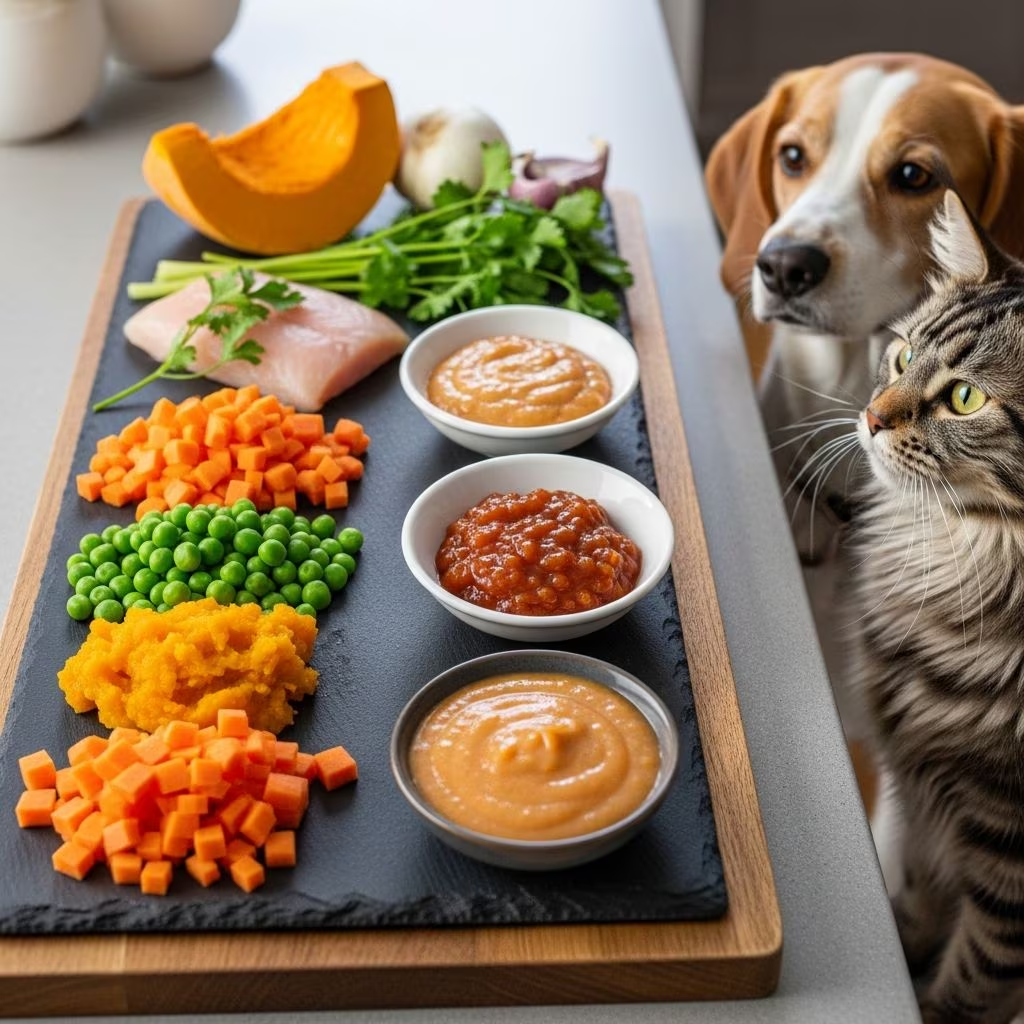
Pet-Friendly BBQ Sauce Recipes for Dogs and Cats
Barbecue season brings families together for delicious meals and outdoor gatherings, but pet parents often face a dilemma: how can their furry companions enjoy the festivities safely? While traditional human BBQ sauce poses serious health risks to dogs and cats—containing dangerous ingredients like onions, garlic, excess salt, and sugar—your pets don’t have to miss out on the fun. Created by renowned cookbook authors and Trunk Pop Dinners co-founders Marge Perry and David Bonom, we’ve developed two specially crafted, vet-reviewed BBQ sauce recipes that allow your four-legged friends to enjoy flavorful treats safely.
Why Standard BBQ Sauce Isn’t Safe for Pets
Commercial barbecue sauces contain multiple ingredients that can harm your pets. Onions and garlic are toxic to both dogs and cats, potentially damaging their red blood cells and causing hemolytic anemia. Excessive salt in typical BBQ sauces can lead to sodium ion toxicity, causing vomiting, diarrhea, and in severe cases, kidney and liver damage. The high sugar content contributes to obesity, diabetes, and dental problems in pets, while the acidity combined with spices can cause significant digestive upset, pancreatitis, and allergic reactions. Additionally, some commercial sauces contain xylitol, an artificial sweetener that is extremely toxic to dogs.
Doggy Delicious BBQ Sauce Recipe
This savory sauce recipe is designed specifically for dogs and provides a flavorful topper that dogs love while maintaining complete nutritional safety.
Ingredients
- 1 (5.5 oz) container The Honest Kitchen Bone Broth Pour Overs Beef Stew
- 1 tablespoon tomato paste
- 1/2 teaspoon paprika
- 1/2 teaspoon liquid smoke
Recipe Details
Yield: 1 cup
Serving size: 1-2 tablespoons (use as a topper or snack)
Prep time: 5 minutes
Cook time: 5-10 minutes
Instructions
For a Chunkier Sauce: Combine the beef stew, tomato paste, paprika, and liquid smoke in a bowl. Mix thoroughly until all ingredients are well integrated. This texture works wonderfully for dogs who prefer a heartier consistency.
For a Smoother Sauce: Combine all the ingredients in a blender and puree until you reach your desired consistency. This option is ideal for senior dogs or those with dental sensitivities who may have difficulty chewing.
Kitty ‘Cue Sauce Recipe
Formulated with feline preferences in mind, this recipe uses chicken instead of beef and adjusts the spice profile to suit cats’ more sensitive palates.
Ingredients
- 1 (5.5 oz) container The Honest Kitchen Minced Chicken Recipe in Bone Broth Gravy
- 2 tablespoons tomato paste
- 1/4 teaspoon smoked paprika
Recipe Details
Yield: 1 cup
Serving size: 1-2 tablespoons (use as a topper or snack)
Prep time: 5 minutes
Cook time: 5-10 minutes
Instructions
For a Chunkier Sauce: Combine the minced chicken recipe, tomato paste, and paprika in a bowl. Mix well to ensure even distribution of the paprika throughout the sauce. Cats often prefer textures closer to their natural food, making this option particularly appealing.
For a Smoother Sauce: Combine all ingredients and puree in a blender to achieve a smoother consistency. This variation can be easier for cats to consume and digest.
Key Ingredients Explained
Bone Broth: The secret ingredient in both recipes, bone broth provides rich flavor and valuable nutrients including collagen, amino acids, and minerals that support joint health and digestion in both dogs and cats.
Tomato Paste: Unlike fresh tomatoes, small amounts of tomato paste are safe for pets when used in moderation. It provides natural umami flavor and lycopene, an antioxidant beneficial for heart health.
Paprika: This mild spice adds flavor without the heat that might upset sensitive pet stomachs. It contains beneficial compounds like capsaicin in small, pet-safe amounts.
Liquid Smoke: Used in the dog recipe only, liquid smoke provides authentic BBQ flavor without exposing pets to carcinogenic compounds from actual smoking processes.
How to Serve Your Homemade Pet-Friendly BBQ Sauce
For Dogs: Creative Serving Ideas
Pet-Safe Vegetable Kabobs: One of the best ways to encourage your dog to eat vegetables is by brushing them with this BBQ sauce. Carrots and red bell peppers become irresistible when topped with the savory sauce. Simply cut vegetables into bite-sized pieces, thread them onto pet-safe skewers, brush generously with the sauce, and serve. This combination transforms ordinary vegetables into exciting treats that provide beneficial fiber and nutrients.
Sweet Potato Turkey Burger Sliders: Create a delicious and nutritious treat by peeling sweet potatoes and slicing them into burger-sized rounds. Brush each slice lightly with peanut oil and grill for approximately three minutes on each side until they soften and become easier for your dog to chew. Top with the Doggy Delicious BBQ Sauce. Sweet potatoes offer beta-carotene and other essential vitamins, making this a particularly healthy serving option.
Plain Cooked Meat Topper: Simply drizzle the sauce over grilled or boiled chicken breast, lean beef, or turkey. This adds excitement to their regular meals without requiring additional preparation.
Mixed with Regular Food: Stir a tablespoon or two into your dog’s usual kibble or wet food to enhance palatability and encourage better eating habits, particularly useful for picky eaters.
For Cats: Serving Suggestions
Mixed with Wet Food: Add a small amount of Kitty ‘Cue Sauce to your cat’s regular wet food to introduce new flavors while maintaining dietary consistency.
As a Broth Substitute: Use the sauce as a gravy component mixed into their food, similar to commercial cat food broths they may already enjoy.
Small Portions as Treats: Offer tiny amounts as special treats separate from regular meals, allowing cats to experience the flavor without dietary disruption.
Storage and Safety Guidelines
Store your homemade pet-friendly BBQ sauce in an airtight container in the refrigerator for up to five days. You can also freeze portions in ice cube trays for convenient single-serving sizes that last up to three months. Always thaw frozen sauce in the refrigerator before serving.
These recipes are designed as treats or snacks and should only constitute a small percentage of your pet’s daily food intake. Treats and toppers should never exceed 10% of daily calories to maintain proper nutritional balance and prevent nutrient deficiencies.
Important Health Considerations
This recipe has been designed for both cats and dogs and reviewed by a veterinarian. However, individual pets have unique health needs. If your pet has any health issues, including food allergies, sensitivities to fats, digestive disorders, or metabolic conditions, consult your veterinarian before introducing these sauces. Pets with pancreatitis, obesity, diabetes, or kidney disease may require modified treats or should avoid certain components.
Always introduce new foods gradually to your pet’s diet to allow their digestive system to adjust. Start with very small amounts and monitor for any adverse reactions including vomiting, diarrhea, changes in appetite, or behavioral changes.
Comparison: Commercial vs. Homemade Pet Sauces
| Factor | Commercial BBQ Sauce | Homemade Pet-Friendly BBQ Sauce |
|---|---|---|
| Toxic Ingredients | Often contains onions, garlic, excess salt, sugar, xylitol | Contains only vet-approved, pet-safe ingredients |
| Nutritional Value | Limited; primarily empty calories | Rich in bone broth protein, collagen, and amino acids |
| Digestive Safety | High acidity and spices cause upset stomach | Formulated to support healthy digestion |
| Cost | Initially cheaper but poses health costs | Slightly higher upfront cost; prevents vet bills |
| Customization | One-size-fits-all formulation | Can be adjusted for individual pet needs |
| Preparation Time | Instant | 10 minutes total |
Frequently Asked Questions
Q: Can I use regular tomato sauce instead of tomato paste?
A: Tomato paste is concentrated and safer in the small quantities required. Commercial tomato sauces often contain added salt, sugar, and seasonings that may not be appropriate for pets. If you must substitute, use unsalted tomato sauce and reduce the amount to account for the higher water content.
Q: How often can I give these sauces to my pet?
A: These should be occasional treats, not daily additions. Limit to 2-3 times per week as part of a balanced diet. Remember that treats should constitute no more than 10% of daily caloric intake.
Q: What if my pet has a sensitive stomach?
A: Start with very small amounts—just 1/2 teaspoon mixed with their regular food. Gradually increase if well-tolerated. Consider consulting your veterinarian before introduction, as sensitive stomach dogs and cats may need additional dietary management.
Q: Can I add other ingredients to customize these recipes?
A: Stick to the vet-approved recipes provided. Adding unauthorized ingredients risks introducing toxic substances. If you want to customize, consult your veterinarian first about safe additions.
Q: Is liquid smoke safe for all dogs?
A: Yes, liquid smoke in the small amounts used here (1/2 teaspoon for a full batch) is safe for healthy dogs. However, dogs with respiratory issues or smoke sensitivity should avoid this ingredient. The dog recipe can be prepared without liquid smoke if needed—simply omit it and mix the remaining ingredients.
Q: My cat refuses the sauce. What should I do?
A: Cats can be finicky. Try warming the sauce slightly to enhance the aroma, or use less sauce to avoid overwhelming their sensitive palates. Some cats prefer it mixed thoroughly into wet food rather than served separately.
Q: Can puppies and kittens have these sauces?
A: Young animals have developing digestive systems. Consult your veterinarian before introducing any new foods to puppies under six months or kittens under twelve weeks. Once approved, start with extremely small amounts.
Q: What should I do if my pet accidentally ingests commercial BBQ sauce?
A: Monitor for symptoms including vomiting, diarrhea, lethargy, or difficulty breathing. Contact your veterinarian immediately if your pet consumed a large amount or if symptoms develop. Be prepared to tell your vet the exact ingredients in the sauce if possible.
Making Mealtime Special and Safe
Pet owners naturally want to share special moments with their companions, especially during celebrations like barbecues. These vet-approved, homemade BBQ sauce recipes allow you to include your pets in the festivities without compromising their health. By choosing these safe alternatives over commercial sauces, you’re investing in your pet’s long-term wellbeing while providing the flavorful experiences that make meals memorable.
The simplicity of these recipes—requiring just five minutes of preparation time and basic ingredients—means there’s no reason to resort to potentially harmful commercial options. Whether you’re grilling vegetables for your dog or creating special meals for your cat, these sauces represent a thoughtful way to express your love through food while maintaining the nutritional integrity your pets deserve.
References
- Easy, Pet-Friendly BBQ Sauce Recipes for Dogs and Cats — Chewy. 2024. https://www.chewy.com/education/cat/food-and-nutrition/bbq-sauce-recipe-dog-cat
- Can Dogs Eat Barbecue Sauce? Not a Good Idea — Wild Earth. 2024. https://wildearth.com/blogs/dog-knowledge/can-dogs-eat-barbecue-sauce
- Can Cats Eat Barbecue Sauce? Vet-Reviewed Safety Facts — Hepper. 2024. https://articles.hepper.com/can-cats-eat-barbecue-sauce/
- Can Dogs Have BBQ Sauce? — HomeAglow. 2024. https://www.homeaglow.com/hub/content/can-dogs-have-bbq-sauce
- BBQs & Dogs: How To Keep Your Cookout Safe — PetLab Co. 2024. https://thepetlabco.com/learn/blog/bbq-dog



