

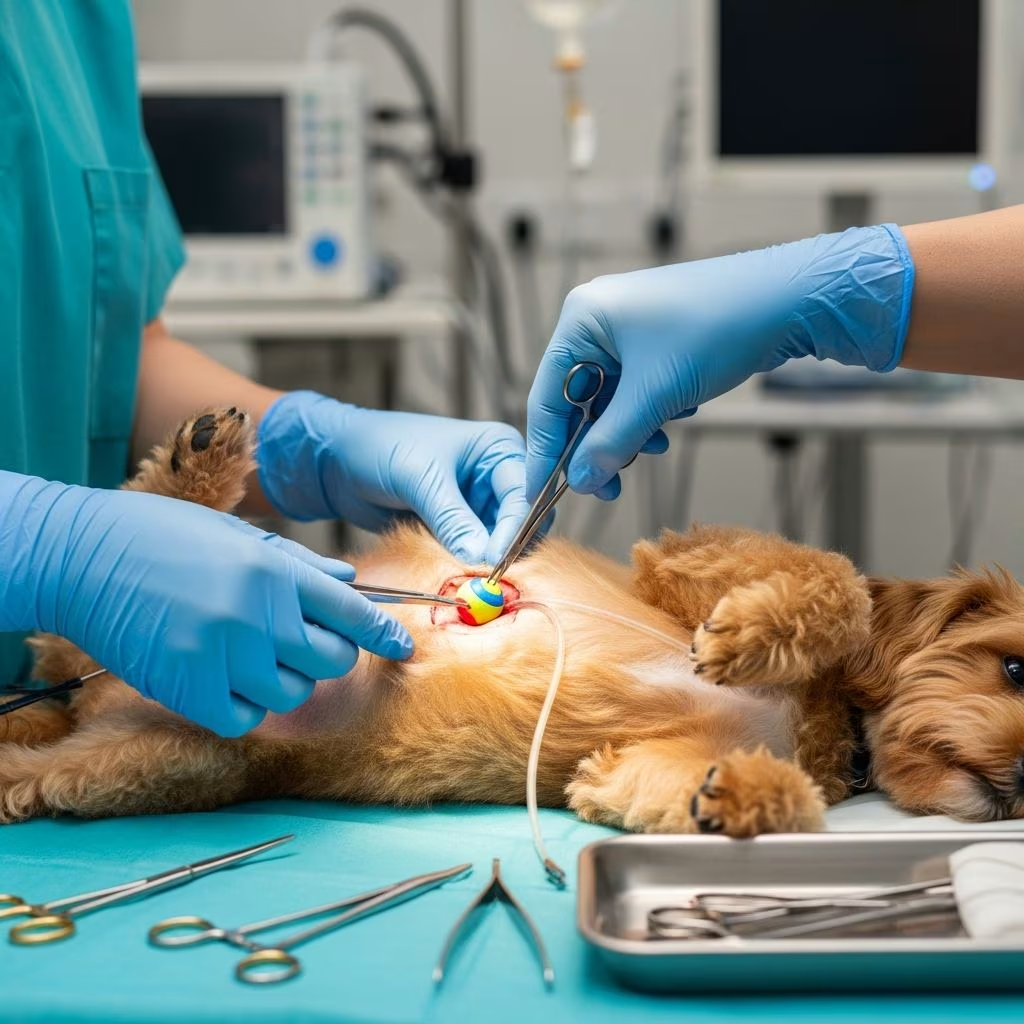
Swallowed foreign objects pose a serious threat to pets, often requiring costly surgical intervention to prevent life-threatening complications like intestinal blockages. Costs typically range from $1,600 to over $12,000 for dogs and $1,800 to $4,300 for cats, depending on severity, location, and clinic type.
Why Pets Swallow Dangerous Items
Pets, especially curious puppies and kittens, explore the world with their mouths, leading to ingestion of non-food items. Common culprits include socks, toys, strings, corn cobs, hair ties, and bones. These objects can lodge in the stomach or intestines, causing obstructions that block nutrient absorption and lead to vomiting, lethargy, and dehydration.
Dogs like Labrador Retrievers are notorious for chewing fabrics or plastics, while cats often swallow yarn or rubber bands during play. Early detection through symptoms like persistent vomiting or abdominal pain is crucial to avoid escalation to emergency surgery.
Diagnostic Process Before Surgery
Before any operation, veterinarians confirm the obstruction via thorough diagnostics. Initial exams include physical assessments, blood panels to check organ function, X-rays for object location, and ultrasounds for detailed imaging.
- Physical exam and blood work: Evaluates dehydration and infection risks, costing $135-$300.
- X-rays: Essential for visualizing blockages, around $263 per set.
- Ultrasound: Provides precise location data, typically $333.
Total diagnostic fees range from $400 to $1,000, forming 20-30% of overall expenses. Delaying these tests can worsen outcomes and inflate bills.
Surgical Procedures Explained
Surgery type depends on object location and blockage severity. Non-emergency cases allow planned procedures, while ruptures demand immediate action.
| Procedure | Description | Average Cost (Dogs) | Average Cost (Cats) |
|---|---|---|---|
| Endoscopy | Minimally invasive scope insertion via mouth to retrieve stomach objects | $1,500-$2,500 | $1,500-$2,500 |
| Enterotomy | Incision into intestine to remove blockage | $3,500-$8,000 | $1,900-$4,300 |
| Gastrotomy | Stomach incision for upper GI objects | Add $300-$600 to base | Add $300-$600 |
| Resection/Anastomosis | Removal of damaged intestine section and reconnection | Add $500+, total $4,000+ | Add $500+ |
Endoscopy suits simple cases but fails for deep intestinal items, necessitating surgery. Complex procedures like resections occur in 20-30% of cases with tissue damage.
Cost Breakdown by Provider Type
Expenses vary widely by practitioner expertise and facility.
- General practice vets: $2,000-$3,000 for straightforward surgeries, ideal for stable patients.
- Board-certified surgeons: $3,000-$5,000, recommended for complications like perforations.
- Emergency hospitals: Up to $12,000 in urban areas due to overnight stays and specialists.
Additional line items include IV fluids ($171), anesthesia ($284), hospitalization ($200), pain meds ($78), and anti-nausea drugs ($79), pushing totals higher. A real-world example: A dog’s blanket removal cost $3,830, with urban premiums adding $1,000+.
Factors Driving Up Expenses
Several variables influence final bills:
- Pet size and species: Larger dogs require more anesthesia and longer incisions, increasing costs by 20-50%.
- Location of object: Stomach retrieval is cheaper than multiple intestinal sites.
- Complications: Perforations or infections add resection fees and extended ICU care.
- Geographic area: Metropolitan vets charge 25-50% more than rural ones.
- Post-op care: Monitoring and meds extend hospital stays, adding $500-$2,000.
Non-surgical management like induced vomiting costs $300-$1,200 but only works early.
Pet Insurance: A Financial Lifeline
Pet health plans reimburse 70-90% post-deductible, softening blows. In one claim, a $300 deductible and 80% coverage paid $2,640 of a $3,830 bill. Policies cover diagnostics, surgery, and recovery if pre-existing conditions are absent.
- Annual deductibles: $100-$1,000.
- Reimbursement rates: 70%, 80%, 90%.
- Benefit limits: Accident-only vs. comprehensive wellness.
Enroll before incidents; many offer free quotes comparing urban/rural rates.
Prevention Strategies for Pet Owners
Avoid surgery by pet-proofing homes:
- Supervise playtime, especially with chew-prone breeds.
- Store small objects like remotes, socks, and strings out of reach.
- Choose durable, pet-safe toys; discard frayed ones.
- Train ‘leave it’ and ‘drop it’ commands early.
- Feed large kibble to reduce scavenging urges.
Annual check-ups catch pica tendencies, where pets eat non-foods due to nutritional gaps or boredom.
Recovery and Aftercare Essentials
Post-surgery, pets need 10-14 days rest. Expect:
| Aftercare Item | Duration/Cost |
|---|---|
| E-collar | 1-2 weeks, $20-$50 |
| Restricted diet | Soft food transition, vet-prescribed |
| Stitch removal | 10-14 days, $50-$100 |
| Follow-up X-rays | $200-$400 if needed |
Watch for fever, swelling, or appetite loss signaling infections. Most pets resume normal activity in 4-6 weeks.
Frequently Asked Questions
What are the first signs of a foreign object blockage?
Vomiting (especially after meals), diarrhea, loss of appetite, abdominal pain (hunching), and lethargy. Seek vet care immediately.
Can blockages resolve without surgery?
Rarely; only tiny, smooth objects may pass. Most require intervention to prevent rupture.
How long does recovery take?
Full recovery: 4-6 weeks. Hospital stay: 1-3 days.
Does pet insurance cover this?
Yes, under accident coverage, minus deductible. Wellness add-ons may include preventives.
What’s cheaper: Endoscopy or surgery?
Endoscopy ($1,500-$2,500) if successful; otherwise, surgery follows.
Long-Term Outlook and Prognosis
With prompt treatment, 90-95% of pets recover fully without recurrence if prevention is implemented. Chronic cases may indicate underlying issues like gastrointestinal motility disorders, warranting specialist consults. Owners report improved quality of life post-recovery, with many crediting insurance for affordability.
Budgeting for pet emergencies involves emergency funds or financing like CareCredit, but proactive insurance remains optimal. Regional clinics offer payment plans, emphasizing transparent pricing.
References
- How much does surgery to remove a swallowed foreign object cost? — Embrace Pet Insurance. 2023. https://www.embracepetinsurance.com/waterbowl/article/cost-of-surgery-to-remove-a-swallowed-foreign-object
- Intestinal Blockage Surgery Costs for Dogs and Cats — CareCredit. 2024. https://www.carecredit.com/well-u/pet-care/cat-and-dog-intestinal-blockage-surgery-cost-and-financing/
- How Much Does Foreign Body Surgery Cost for Dogs and Cats? — Coyote Ridge Veterinary Clinic. 2024. https://www.coyoteridgevetclinic.com/post/how-much-does-foreign-body-surgery-cost-for-dogs-and-cats
- Surgery Costs — Affordable Veterinary Surgery. 2024. https://affordableveterinarysurgery.com/surgery-costs/
- 5 Most Expensive Surgeries for Dogs — Dog Pain Relief. 2023. https://dogpainrelief.com/5-most-expensive-surgeries-for-dogs/
- Intestinal Blockage Dog Surgery Cost — Lemonade Pet Insurance. 2025. https://www.lemonade.com/pet/explained/intestinal-blockage-dog-surgery-cost/
- Prices — Warm Springs Pet Hospital. 2024. http://www.warmspringspet.com/prices-1



