

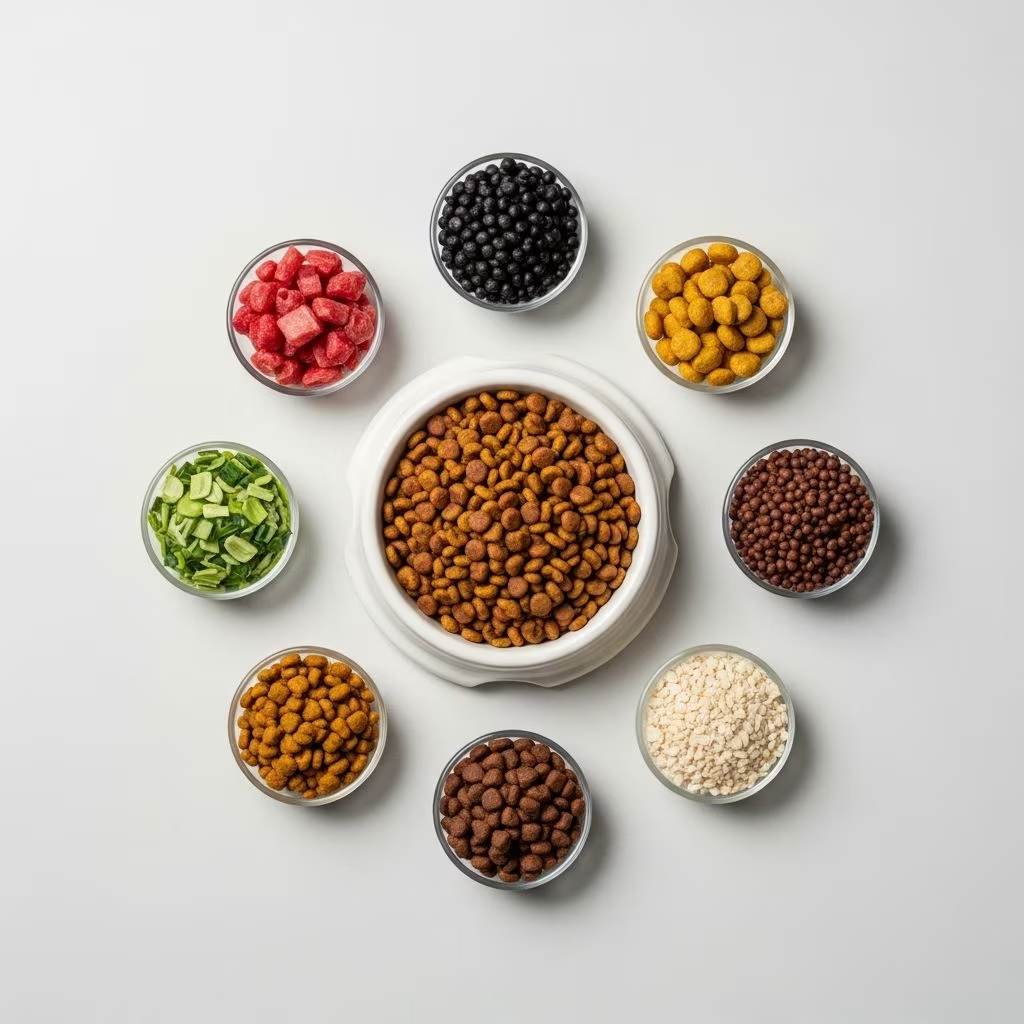
Pet food toppers serve as simple yet effective additions to your dog’s or cat’s regular meals, providing extra flavor, nutrients, and moisture without replacing a balanced base diet. These versatile products come in forms like broths, freeze-dried meats, oils, and vegetable mixes, helping address common issues such as picky eating or insufficient hydration.
Understanding the Role of Toppers in Pet Diets
Toppers enhance standard kibble or wet food by introducing variety and targeted nutrition. They make up no more than 10% of a pet’s daily intake, following the 90/10 rule to maintain nutritional balance. This approach ensures pets receive complete meals while gaining supplemental benefits like better digestion or shinier coats.
For dogs and cats on dry food, toppers add essential moisture, which is crucial since many pets don’t drink enough water independently. High-quality options include probiotics for gut support or omega fatty acids for skin health, turning routine feedings into opportunities for wellness.
Key Advantages for Everyday Pet Health
Toppers offer multiple perks that contribute to long-term vitality. They entice finicky eaters, promote hydration, and deliver concentrated nutrients that complement base foods.
- Flavor Enhancement: Boredom with plain kibble leads to skipped meals; toppers with real meats or fish restore appetite.
- Hydration Boost: Wet varieties like broths soften dry food, encouraging water intake vital for kidney and urinary health, especially in cats.
- Nutrient Density: Additions like proteins, vitamins, and minerals fill minor dietary gaps without overhauling the entire menu.
- Digestion Aid: Probiotic-rich toppers foster healthy gut flora, reducing issues like loose stools.
- Joint and Coat Support: Omega oils and glucosamine variants benefit aging pets or those with mobility concerns.
Popular Topper Types and Their Specific Benefits
Diverse toppers cater to various needs, from energy boosts to dental perks. Selecting based on your pet’s age, breed, or health status maximizes results.
| Topper Type | Primary Benefit | Suitable For | Example Serving (per 10 lbs body weight) |
|---|---|---|---|
| Bone Broth | Hydration & Digestion | Dogs & Cats | 1 oz |
| Freeze-Dried Meat | Protein Boost | Picky Eaters | 1 tsp – 1 tbsp |
| Omega-3 Oil | Skin & Coat | Dry Skin Pets | Follow label |
| Green-Lipped Mussels | Joint Health | Seniors | Sprinkle or dollop |
| Cooked Veggies (e.g., Green Beans) | Fiber | Weight Management | 1-2 tbsp mashed |
These options draw from natural ingredients, ensuring palatability alongside functionality. For instance, salmon oil not only improves coat luster but also supports heart health through essential fatty acids.
How Toppers Address Common Pet Feeding Challenges
Picky eaters often reject monotonous diets, leading to weight loss or nutrient shortfalls. Toppers introduce novel textures and aromas, such as smoky roasted meats or fruity purees, reigniting interest in meals. They also aid seniors with dental issues by softening kibble or providing easy-to-chew proteins.
Hydration remains a top concern; cats, in particular, derive much of their water from food. Broth-based toppers increase moisture content significantly, mimicking prey’s water levels in the wild. Similarly, for dogs prone to urinary crystals, diluted meals prevent concentration of minerals.
Safe Feeding Guidelines and Portion Control
Always prioritize complete, AAFCO-approved base foods, using toppers sparingly to avoid caloric excess or imbalances. Calculate daily needs based on weight, activity, and life stage—typically 2-3% of body weight in food for adults.
- Start small: Introduce 1 tsp per meal, monitoring for allergies.
- Adjust calories: Subtract topper kcal from base ration.
- Rotate varieties: Prevent sensitivities with weekly switches.
- Consult vets: Essential for pets with conditions like diabetes or allergies.
Overuse risks obesity or nutrient overload, so label instructions guide precise amounts. For training, low-cal toppers double as rewards without derailing diets.
Ingredient Spotlights for Targeted Wellness
Protein Powerhouses
Freeze-dried chicken or beef chunks elevate protein levels, ideal for active pups or nursing mothers. These retain amino acids lost in processing, supporting muscle repair.
Hydrating Liquids
Fish stocks or gravies not only moisten but infuse collagen for joint lubrication, per veterinary insights on mobility aids.
Functional Add-Ins
Probiotic blends with prebiotics nurture microbiome diversity, while kelp powders supply iodine for thyroid function. Coconut oil offers medium-chain triglycerides for quick energy without fat storage.
DIY Topper Recipes for Budget-Conscious Owners
Homemade versions control quality and cost. Simmer plain chicken with water for broth, or mash steamed sweet potatoes for fiber. Avoid seasonings—garlic and onions are toxic.
- Simple Broth: Boil turkey bones (no salt) for 2 hours, strain, freeze in ice cubes.
- Veggie Mix: Steam carrots and peas, puree, portion 1 tbsp per meal.
- Yogurt Parfait: Plain goat kefir (probiotic-rich) drizzled over kibble, 1 oz per 10 lbs.
These replicate commercial benefits safely at home, but test for tolerance first.
Choosing Quality Commercial Toppers
Opt for human-grade meats, minimal fillers, and transparent sourcing. Labels should list probiotics’ CFU counts or omega ratios. Avoid artificial colors or by-products that dilute value.
Veterinarian-endorsed brands emphasize freeze-drying to preserve enzymes, outperforming heat-processed alternatives in nutrient retention.
Frequently Asked Questions
Can toppers replace regular pet food?
No, they supplement only. Base diets provide full nutrition; toppers enhance without balancing alone.
Are toppers safe for kittens or puppies?
Yes, in moderation. Choose age-specific formulas; consult vets for growth-stage needs.
How do toppers help with weight loss?
Low-cal veggies add bulk and satiety, stretching meals without extra calories.
What if my pet has allergies?
Select novel proteins like duck or venison; hypoallergenic options abound.
Can cats benefit as much as dogs?
Absolutely—toppers combat dehydration risks in felines, promoting urinary health.
Potential Pitfalls and When to Avoid Toppers
Not all pets need them; well-fed animals on premium kibble may gain little. Watch for digestive upset from sudden changes or excessive fats causing pancreatitis. Pregnant or ill pets require professional oversight to prevent complications.
Monitor weight weekly and stool quality. If issues arise, discontinue and seek vet advice—toppers aid, not cure, health problems.
References
- What Are Dog Food Toppers? — PetMD. 2023-05-15. https://www.petmd.com/dog/nutrition/what-are-dog-food-toppers
- Dog Food Toppers: What Are They and When Should You Use Them? — American Kennel Club (AKC). 2024-02-10. https://www.akc.org/expert-advice/nutrition/what-are-dog-food-toppers/
- Finding The Perfect Dog and Cat Food Toppers For Your Pet: Tips from Veterinarians — Wellness Pet Food. 2023-11-20. https://www.wellnesspetfood.com/blog/finding-the-perfect-dog-and-cat-food-toppers-for-your-pet-tips-from-veterinarians/
- Can Dog Food Toppers Improve My Dog’s Diet? — Montana Dog Food Co. 2024-01-08. https://montanadogfoodco.com/blogs/news/can-dog-food-toppers-improve-my-dogs-diet
- Dog Food Toppers 101: A Pet Parent’s Guide to Enhancing Meals — Bil-Jac. 2023-09-12. https://www.bil-jac.com/the-dog-blog/posts/dog-food-toppers-101-a-pet-parent-s-guide-to-enhancing-meals/



