

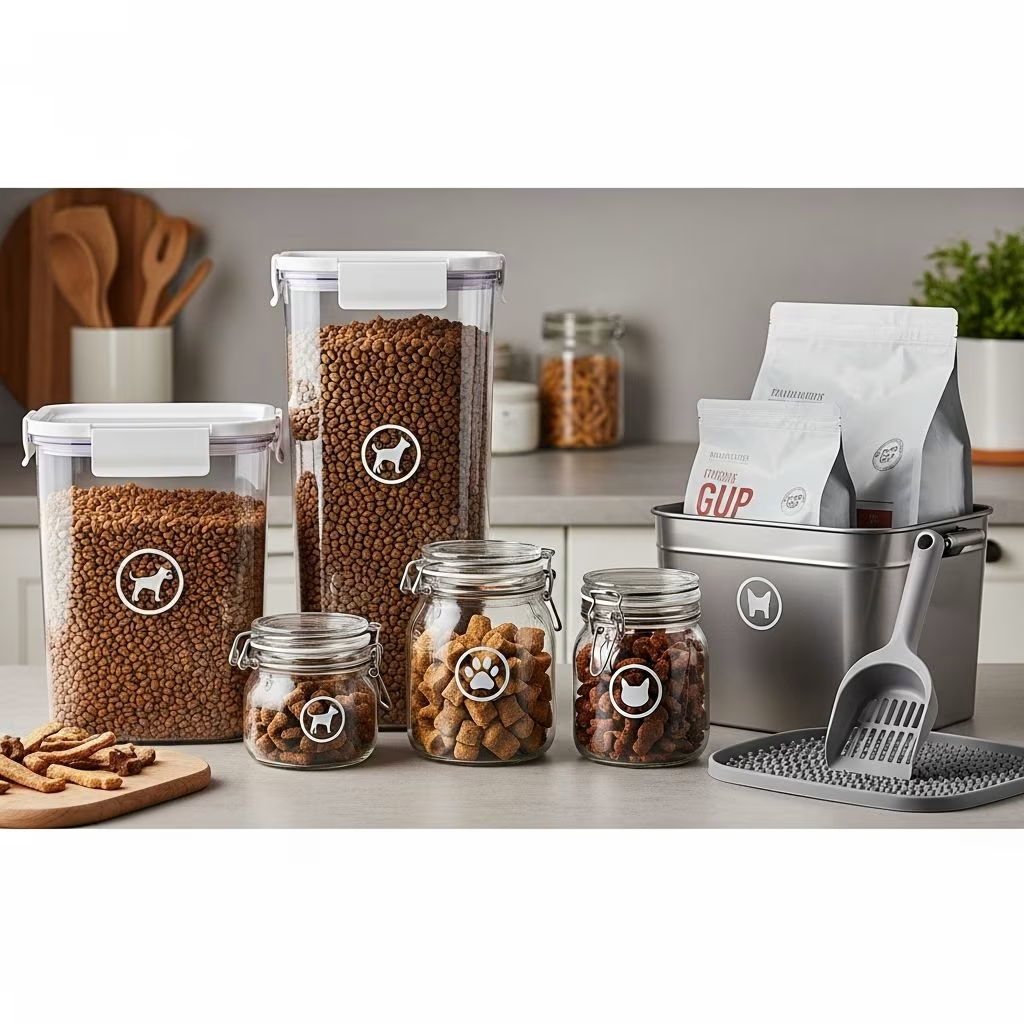
Proper storage of pet food is crucial for maintaining its nutritional integrity, preventing spoilage, and minimizing health risks for both pets and humans. Dry kibble, canned varieties, and treats each require specific conditions to stay fresh and safe, as excess heat, moisture, or improper handling can lead to nutrient loss or bacterial contamination.
Why Storage Matters for Pet Nutrition and Health
Pet food contains essential fats, proteins, and vitamins that degrade when exposed to air, light, or warmth. For instance, temperatures above 80°F accelerate fat rancidity, producing harmful free radicals that reduce food quality and may cause digestive issues in animals. Beyond nutrition, poor storage invites pests, mold, and bacteria like Salmonella, which can sicken pets and handlers. Storing food correctly also preserves vital label details for recalls, ensuring quick action if contamination occurs.
Opened dry food typically remains viable for 30-45 days if handled well, but factors like container residue or cross-contamination shorten this window. Wet foods demand even stricter protocols, with leftovers needing refrigeration at 40°F or below to curb bacterial growth. Adhering to these practices supports long-term pet wellness and household safety.
Ideal Conditions for Dry Pet Food Storage
Dry kibble for cats and dogs thrives in environments below 80°F, away from humidity and direct sunlight, which break down antioxidants and promote mold. Garages or outdoor sheds often fluctuate too wildly in temperature, risking spoilage.
- Maintain cool, dry spots: Pantries or closets with stable temperatures under 80°F work best. Avoid basements prone to dampness.
- Control humidity: High moisture fosters storage mites and mycotoxins, invisible threats linked to allergies and chronic itching.
- Limit light exposure: UV rays degrade vitamins; opaque containers shield effectively.
Buy bag sizes your pet finishes in 4-6 weeks to minimize oxidation risks. Check for clumps, odd smells, or discoloration before serving—discard if present.
Best Practices for Wet and Canned Pet Food
Unopened cans store like human pantry staples in cool, dry areas. Once opened, consume immediately or refrigerate leftovers covered at 40°F or below, discarding after 2-3 days per label guidance. Room-temperature wet food beyond two hours breeds bacteria rapidly.
| Food Type | Storage Temp | Post-Opening Shelf Life | Key Tip |
|---|---|---|---|
| Unopened Canned | <80°F | Years (check date) | Inspect seams for dents/swelling |
| Opened Wet Food | 40°F (fridge) | 2-3 days | Cover tightly; discard if fizzy |
| Raw/Frozen | 0°F freezer | Until use | Thaw in fridge only |
For raw diets, freeze until needed, thaw in the refrigerator, and separate from human foods to avoid cross-contamination. Bleach-rinse surfaces post-prep.
Choosing and Using Storage Containers Effectively
Original bags are engineered with liners to block oxygen and moisture—keep food inside them within larger bins. If transferring, select airtight, food-grade plastic or metal with snug lids; avoid porous materials that absorb oils.
- Clean rigorously: Empty containers fully, wash with hot soapy water, dry completely, and inspect for cracks or pests before refilling. Residual fats invite mites.
- Preserve labels: Tape lot numbers, UPC, and “best by” dates to the bin exterior for recall checks.
- Pet-proof designs: Use lockable bins to deter clever dogs or cats from bingeing, preventing obesity or digestive upset.
Plastic pitfalls include fat leaching and bacterial harbors; stainless steel or glass alternatives resist this better long-term. Never dump new food atop old remnants.
Handling Pet Treats with Care
Treats mirror food rules: store dry ones cool and sealed, refrigerate moist varieties promptly. Secure from pets to avoid overindulgence, which spikes calorie intake and risks pancreatitis.
- Examine packaging pre-purchase for tears or damage.
- Clip bags tightly or use dedicated jars.
- Discard soft, rancid, or buggy treats immediately.
Keep treats separate from kibble to track portions accurately.
Cleaning Routines for Utensils and Bowls
Hygiene extends storage: wash bowls, scoops, and mats daily with hot soapy water or dishwasher cycles. Dedicate tools to pets only, avoiding human food crossover. Air-dry fully to prevent moisture buildup.
Post-feeding, discard uneaten kibble after 24 hours and wet food sooner. Refresh water bowls daily, scrubbing residues. Hands should be washed after handling to block pathogen spread.
Spotting and Avoiding Spoilage Indicators
Vigilance catches issues early. Reliable signs include:
- Visual cues: Mold spots, webbing (mites), clumping, or bugs.
- Sensory checks: Rancid, oily smells, or greasy texture.
- Packaging flags: Bulging cans, leaks, or pest entry holes.
Bag spoiled items securely for trash, denying wildlife access. Rotate stock by date, feeding oldest first.
Recall Preparedness and Label Mastery
Labels provide gold-standard guidance: heed “best by” dates, feeding instructions, and storage notes. Retain packaging for lot tracing during recalls—check FDA and AVMA alerts regularly.
Apps or calendars track openings; replace near-expiry food proactively.
Special Considerations for Multi-Pet Homes
Different diets demand separation: store prescription kibble high or locked, preventing swaps that trigger allergies or deficiencies. Portion daily to curb free-feeding mishaps.
Frequently Asked Questions (FAQs)
Can I store pet food in the garage?
Avoid it—temperature swings and humidity spoil food faster.
How long does opened kibble last?
30-45 days in optimal conditions; monitor for changes.
Is freezing dry food safe?
Yes, for long-term; thaw fully before serving.
What if my pet food smells off?
Discard immediately—don’t risk health.
Should I microwave wet leftovers?
No; reheat gently if needed, but fresh is best.
Advanced Tips for Optimal Longevity
Incorporate oxygen absorbers in bins for extra freshness. Add antioxidants like blueberries to meals countering oxidation. For bulk buyers, vacuum-seal portions. Sustainable choices: reusable glass reduces plastic waste.
Seasonal adjustments matter—summer AC combats heat; winter heaters stay distant. Invest in hygrometers monitoring pantry conditions.
References
- Proper Storage of Pet Food & Treats — FDA. 2023-05-15. https://www.fda.gov/animal-veterinary/animal-health-literacy/proper-storage-pet-food-treats
- Safe handling of pet food and pet treats — AVMA. 2024-02-10. https://www.avma.org/resources-tools/pet-owners/petcare/safe-handling-pet-food-and-pet-treats
- Product Handling Safety — AAFCO. 2023-11-20. https://www.aafco.org/resources/startups/product-handling-safety/
- About Pet Food Safety — CDC. 2024-08-05. https://www.cdc.gov/healthy-pets/about/pet-food-safety.html
- How To Handle And Store Pet Food — Pet Food Institute. 2023-07-12. https://www.petfoodinstitute.org/how-to-handle-and-store-pet-food/



