

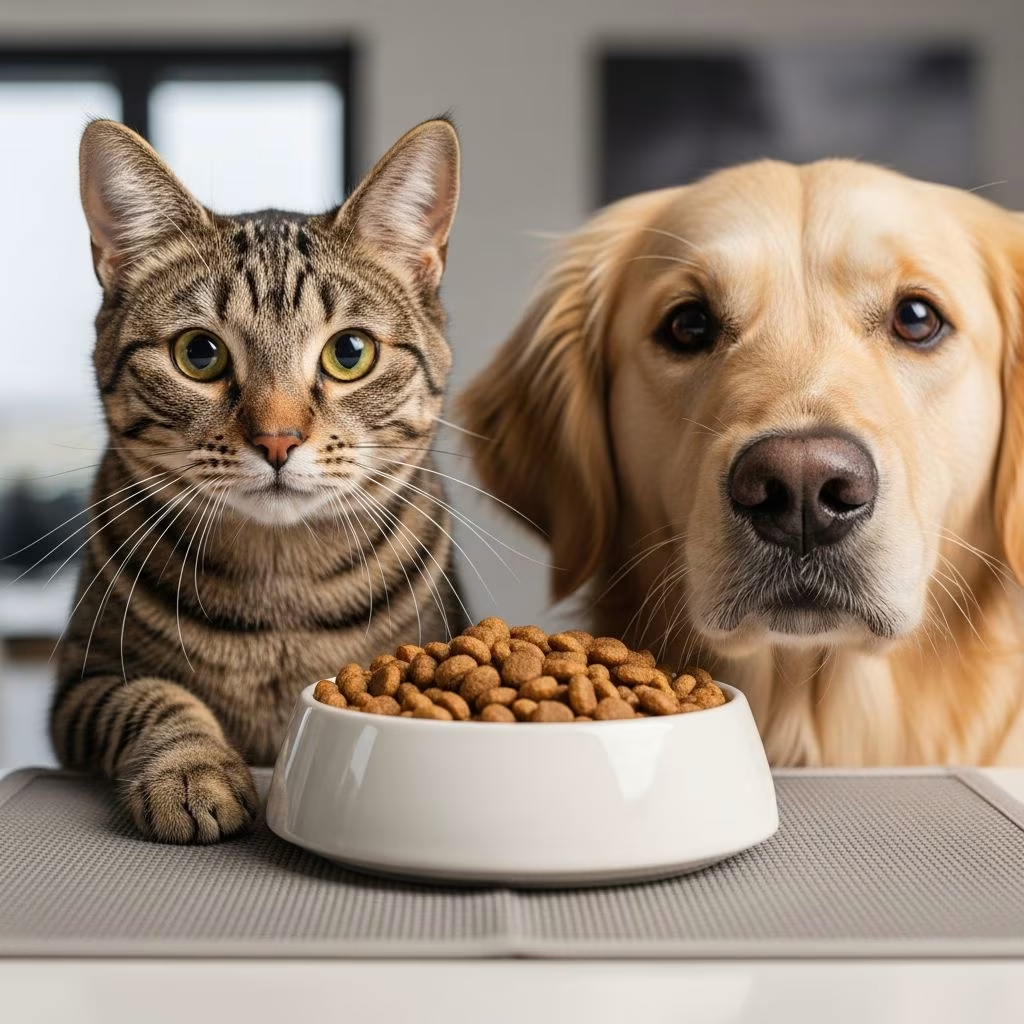
Dogs and cats have vastly different dietary needs, making food sharing between them a recipe for health complications. While it might appear harmless in the moment, regular cross-feeding disrupts their nutritional balance and can lead to serious issues like obesity, organ strain, and nutrient deficiencies.
Why Nutritional Profiles Differ Between Dogs and Cats
Dogs, as omnivores, thrive on a balanced diet that includes both animal proteins and plant-based carbohydrates. Their food typically contains moderate levels of protein, fat, and fiber to support energy levels and digestion suited to their active lifestyles. Cats, however, are obligate carnivores, requiring a diet dominated by high-quality animal proteins, fats, and specific amino acids like taurine that they cannot produce on their own. Cat food is formulated with elevated protein (often 40-50%) and fat content to meet these demands, lacking the carbohydrates dogs handle well.
This fundamental mismatch means dog food falls short for cats, potentially causing taurine deficiency, which affects heart muscle and vision over time. Meanwhile, the richness of cat food overwhelms dogs, leading to excessive calorie intake and fat overload that burdens their pancreas and liver.
Health Consequences for Dogs Eating Cat Food
When dogs raid cat food bowls, the high fat and protein punch can trigger immediate digestive woes like vomiting and diarrhea. Over time, chronic consumption risks pancreatitis—an inflammation of the pancreas causing severe pain and potentially life-threatening complications. The calorie density promotes rapid weight gain, straining joints and increasing diabetes risk. Kidney and liver stress from protein excess further compounds problems, especially in older or predisposed dogs.
- Pancreatitis risk: High-fat content inflames the pancreas.
- Obesity: Dense calories lead to fat accumulation.
- Organ strain: Excess protein taxes kidneys and liver.
Health Consequences for Cats Eating Dog Food
Cats consuming dog food miss critical nutrients like taurine, arginine, and arachidonic acid, essential for cardiac health, vision, and skin integrity. Long-term taurine shortfall can result in dilated cardiomyopathy, a weakening of the heart, or retinal degeneration leading to blindness. Dog food’s higher carbohydrate levels may also cause urinary tract issues in cats, who metabolize sugars poorly, heightening risks of crystals and blockages.
| Nutrient | Dog Food (% Minimum) | Cat Food (% Minimum) | Impact of Mismatch |
|---|---|---|---|
| Protein | 18-25 | 26-40 | Dogs: Liver/kidney overload; Cats: Deficiency |
| Fat | 5-15 | 9-20 | Dogs: Pancreatitis; Cats: Inadequate energy |
| Taurine | Not required | 0.1-0.2 | Cats: Heart/vision damage |
| Carbohydrates | 30-60 | <10 | Cats: Obesity, urinary issues |
Behavioral Challenges from Food Sharing
Beyond nutrition, sharing fosters competition and stress. Dogs may develop food aggression, guarding bowls aggressively, while cats—solitary diners by nature—become anxious and hide during meals. This rivalry can escalate to fights, injuries, or chronic anxiety, undermining household harmony. Puppies or kittens learning habits early pick up stealing behaviors, perpetuating the cycle.
Strategies to Prevent Cross-Feeding
Stopping food sharing requires proactive environmental and training adjustments. Consistency is key to reshaping habits.
- Elevated or Hidden Stations: Place cat food on high counters or in cabinets only cats can access, using shelves or cat trees.
- Scheduled Feedings: Feed pets in separate rooms or crates at the same time, removing uneaten portions after 10-15 minutes to curb free-feeding.
- Training Reinforcement: Use commands like “leave it” with rewards for ignoring the wrong bowl. Positive reinforcement builds respect for boundaries.
- Barrier Solutions: Baby gates or pet doors create exclusive zones during meals.
- Privacy Pods: For cats, enclosed boxes or igloos provide secure eating spots dogs can’t enter.
Common Myths About Pet Food Interchangeability
Many owners believe occasional swaps are fine or that all pet foods are similar. In reality, even small amounts accumulate harm. A “morsel” of cat food daily adds up for dogs, while cats need precise nutrition lifelong. Myths persist due to pets’ resilience to one-offs, masking gradual decline.
- Myth: “It’s just once in a while.” Fact: Cumulative effects build risks.
- Myth: “Both are meat-based.” Fact: Formulation precision matters.
Human Foods to Avoid Sharing with Pets
While focusing on pet-to-pet sharing, remember human table scraps pose parallel dangers. Toxic items like chocolate (theobromine), grapes (kidney failure), onions/garlic (anemia), and xylitol (hypoglycemia) lurk in kitchens. Dogs scavenge indiscriminately, cats less so, but both risk poisoning. Stick to pet-specific diets.
Signs Your Pet’s Diet Needs Attention
Monitor for red flags indicating improper nutrition from sharing:
- Unexplained weight changes
- Digestive upset (diarrhea, vomiting)
- Lethargy or coat dullness
- Behavioral shifts like increased aggression
- Vision or mobility issues in cats
Consult a vet promptly for bloodwork or tailored plans if symptoms appear.
Frequently Asked Questions (FAQs)
Is a little cat food okay for my dog occasionally?
No—repeated exposure risks pancreatitis and obesity, even in small doses.
Can cats survive on dog food short-term?
Briefly yes, but taurine deficiency risks emerge quickly; switch back immediately.
What if my pets steal food despite precautions?
Persist with training and barriers; vets recommend puzzle feeders to slow eaters.
Are there universal pet foods for multi-species homes?
No reputable formulas meet both needs; separate diets are essential.
How do I transition to strict feeding zones?
Gradually over 7-10 days with consistent rewards and supervision.
Long-Term Benefits of Species-Specific Feeding
Adhering to proper diets enhances longevity, vitality, and fewer vet visits. Dogs maintain lean muscle, cats preserve sharp vision and heart health. Peaceful mealtimes reduce stress, fostering better pet-owner bonds. Invest in quality, AAFCO-approved foods matching life stages, sizes, and health profiles for peak wellness.
References
- Household Food Items Toxic to Dogs and Cats — PMC / National Center for Biotechnology Information. 2016-03-01. https://pmc.ncbi.nlm.nih.gov/articles/PMC4801869/
- Feeding Multiple Pets — VCA Animal Hospitals. N/A. https://vcahospitals.com/know-your-pet/feeding-multiple-pets
- Potentially Dangerous Items for Your Pet — U.S. Food and Drug Administration (FDA). N/A. https://www.fda.gov/animal-veterinary/animal-health-literacy/potentially-dangerous-items-your-pet
- People Foods to Avoid Feeding Your Pets — ASPCA. N/A. https://www.aspca.org/pet-care/aspca-poison-control/people-foods-avoid-feeding-your-pets
- Is your pet’s food making you sick? Study finds many don’t know the risk — Purdue University. 2020-07-28. https://www.purdue.edu/newsroom/archive/releases/2020/Q3/is-your-pets-food-making-you-sick-study-finds-many-dont-know-the-risk..html



