

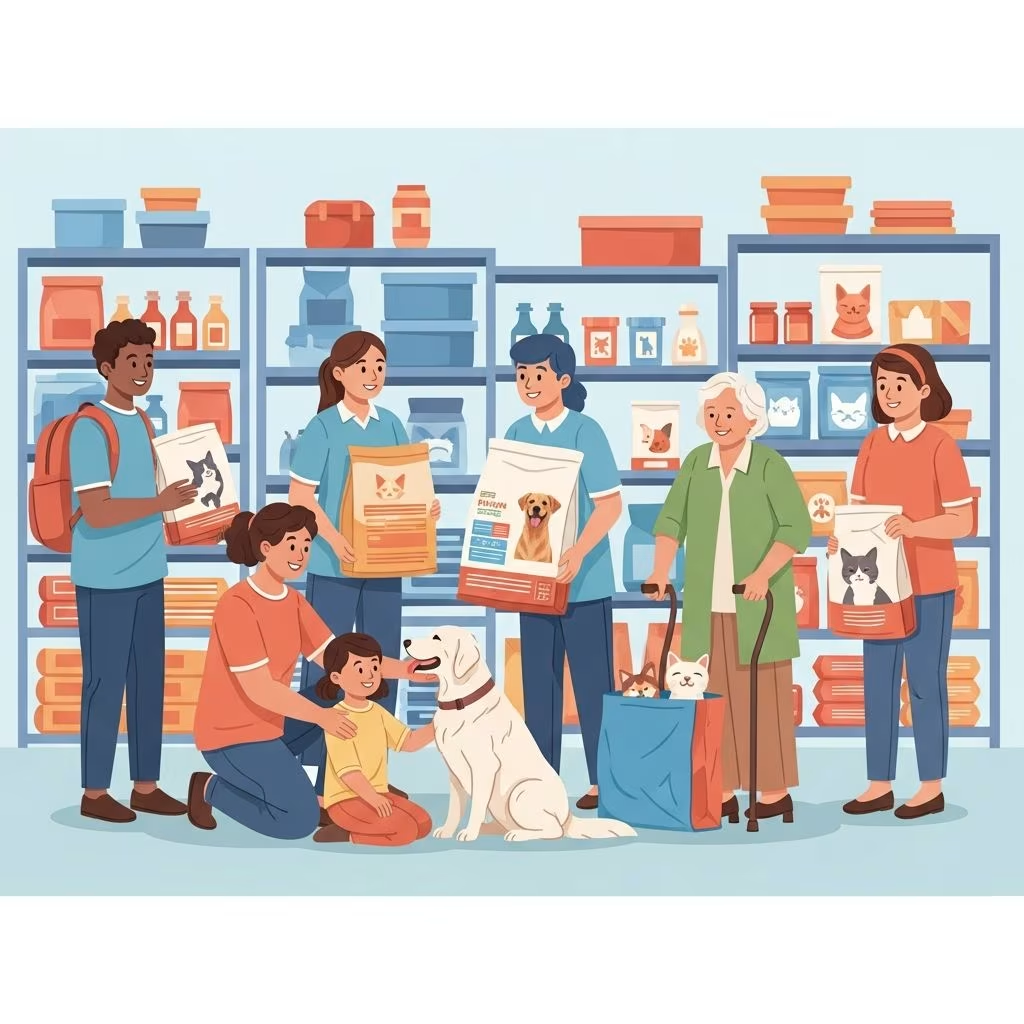
Pet food pantries have emerged as crucial community resources, offering free or low-cost pet food to families facing economic challenges. These programs bridge the gap for pet owners who might otherwise surrender their animals due to inability to provide basic nutrition, thereby preserving vital human-animal bonds and easing shelter overcrowding.
The Rising Demand for Pet Nutrition Assistance
In recent years, economic pressures such as inflation and rising living costs have intensified pet food insecurity. Families often prioritize human needs, leading to tough choices between their own meals and those of their pets. Pet food pantries step in with temporary relief, distributing donated kibble, canned food, and supplies to keep pets healthy and at home.
Statistics highlight the scale: one program alone served over 3,000 families in a single year, demonstrating how widespread the need has become. These initiatives not only feed animals but also reduce emotional distress for owners who view pets as family members.
How Pet Food Pantries Operate Daily
Most pantries function through monthly distributions, where eligible participants receive a set amount of food based on available inventory. Eligibility often requires simple proof of need, like identification or residency, ensuring aid reaches those truly struggling. Sessions typically last 30-60 minutes, with volunteers managing check-ins, bag packing, and education on pet care.
- Intake process: Quick verification to confirm pet ownership and hardship.
- Food allocation: Tailored portions for dogs, cats, and sometimes small animals, limited to prevent overuse.
- Follow-up: Annual reapplication to maintain temporary support focus.
Programs emphasize sustainability, rationing supplies to serve more households when stocks run low. This approach maximizes impact while encouraging long-term self-sufficiency.
Community Impact: Stories of Preservation
The true power of these pantries lies in real-world outcomes. By providing supplemental nutrition, they prevent unnecessary pet surrenders, which strain shelter resources. Research shows that access to pet food correlates with improved overall family food security, as owners feel less anxiety about their animals’ well-being.
For instance, in areas with integrated human and pet pantries, participants report stronger motivation to seek aid, viewing pets as stability anchors during crises. One study in Pennsylvania found pet-inclusive pantries significantly boosted security for both humans and animals compared to food-only sites.
| Benefit | Impact on Families | Impact on Shelters |
|---|---|---|
| Reduced Surrenders | Pets stay home, lowering stress | Less overcrowding |
| Cost Savings | Affordable pet care access | Frees resources for urgent cases |
| Emotional Support | Maintains companionship bonds | Builds community goodwill |
Volunteer and Donation Engines
Volunteers form the backbone, sorting donations, staffing events, and even organizing drives. Their efforts turn raw contributions into organized aid, often handling 40-70 families per session. Community drives, hosted by schools, businesses, or faith groups, collect unopened pet food, litter, and toys.
Donation tips include focusing on high-demand items like dry dog and cat food in various sizes. Many pantries partner with human food banks, amplifying reach through shared spaces.
Launching Your Own Pet Food Pantry
Starting a pantry begins with needs assessment: Survey local shelters, vets, and social services to gauge demand. Secure a distribution site, perhaps partnering with existing food banks, and recruit a core volunteer team.
- Research local gaps via stakeholder interviews.
- Gather startup supplies: Shelving, bags, signage.
- Promote via social media and flyers for donations.
- Establish rules: Temporary aid only, no new pet acquisitions.
Success stories abound, like programs distributing tens of thousands of meals annually, inspiring replication nationwide.
Challenges and Solutions in Pet Aid
Pantries face hurdles like fluctuating donations and inventory mismatches. Solutions include themed drives (e.g., kitten season for wet food) and corporate sponsorships. Education on pet nutrition during distributions adds value, helping owners stretch supplies.
Policy-wise, some advocate integrating pet food into federal assistance, recognizing pets’ role in mental health.
Pet Food Pantries Nationwide: A Growing Network
From county animal cares in Florida to humane societies in Arizona, pantries dot the map. Palm Beach County’s banks rely purely on public generosity, while others collaborate with national groups like Best Friends Animal Society.
Urban and rural alike benefit, with programs adapting to local pet populations—more large dogs in suburbs, ferrets in cities.
Future Directions for Pet Support
Expansion plans include mobile pantries for remote areas and vet voucher tie-ins. Data-driven approaches, like tracking surrender reasons, refine services. As awareness grows, more organizations seek blueprints, creating a ripple of compassion.
Frequently Asked Questions (FAQs)
What qualifies me for pet food pantry help?
Most require proof of financial need and pet ownership; aid is temporary to bridge gaps.
How often can I receive pet food?
Typically monthly, with amounts varying by supply; reapply periodically.
Can I donate opened pet food?
No, only unopened, unexpired items to ensure safety.
Do pantries help with other supplies?
Many offer litter, leashes, and flea treatments alongside food.
How do I find a local pantry?
Search animal shelter sites or human food bank partners.
Getting Involved: Your Role Matters
Whether donating a bag, volunteering hours, or hosting a drive, every action sustains these lifelines. Contact local shelters to connect—together, we ensure no pet goes hungry due to hardship.
References
- Pet Food Pantry Supports Pets in Times of Need — Animal Welfare Association. 2023. https://www.awanj.org/news/pet-food-pantry/
- Pet Pantries: A Little Help That Means a Lot — Compassionate Grooming Ohio. 2023. https://www.compassionategroomingohio.com/post/pet-pantries-a-little-help-that-means-a-lot
- Public Safety – Animal Care Pet Food Bank Program — Palm Beach County Government. 2024. https://discover.pbc.gov/publicsafety/animalcare/pages/pet_food.aspx
- How to Start a Pet Food Pantry: A Community Outreach Guide — 24Pet. 2024. https://www.24pet.com/blog/how-to-start-a-food-pantry
- Feeding Fido Pet Food Pantry — Humane Society of Central Arizona. 2023. https://humanesocietycentralaz.org/programs/feeding-fido-pet-food-pantry/
- Organize a Pet Food Drive — Best Friends Animal Society. 2024. https://bestfriends.org/pet-care-resources/how-organize-pet-food-drive
- Using Human-Centered Design to Address Pet Food Security — Journal of Public and Retail Marketing. 2023. https://jprm.scholasticahq.com/article/140845-using-human-centered-design-to-address-pet-food-security-a-case-study-of-ellie-s-pet-food-pantry



