

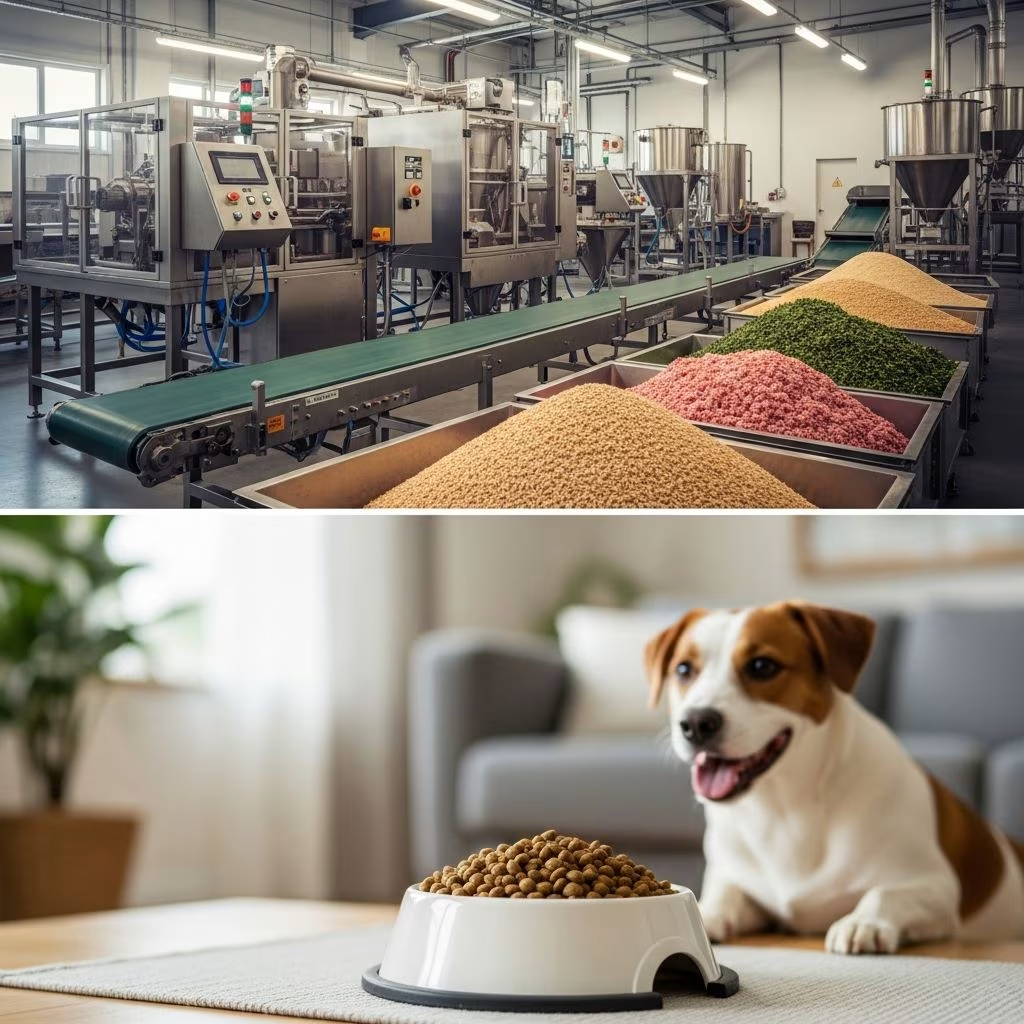
The journey of pet food from raw ingredients to your pet’s feeding bowl involves a sophisticated series of steps, specialized equipment, and rigorous quality control measures. Modern pet food manufacturing plants operate with precision and attention to detail to ensure that every kibble, can, or treat meets nutritional standards and safety requirements. Understanding this process reveals why commercial pet food has become a reliable option for millions of pet owners worldwide.
The Foundation: Ingredient Selection and Procurement
Pet food manufacturing begins long before production floor operations commence. Manufacturers carefully source ingredients including proteins from meat sources, grains, vegetables, vitamins, and minerals that form the nutritional foundation of the finished product. Each ingredient undergoes verification to ensure it meets specifications for quality, safety, and nutritional content. Suppliers are typically evaluated based on their ability to consistently deliver ingredients that comply with regulatory standards and company specifications.
The procurement process involves establishing relationships with reliable suppliers and implementing tracking systems that ensure ingredient traceability throughout the manufacturing facility. This front-end commitment to quality sets the stage for everything that follows in the production process.
Preparing the Foundation: Mixing and Formulation
Once ingredients arrive at the manufacturing facility, the first major production step involves combining dry and wet components according to precise formulations. Dry ingredients such as grains and mineral supplements are blended together using industrial mixers, while wet ingredients including meat sources and fats are prepared separately. The specific ratios of each component are determined by the product’s intended nutritional profile and target species—whether the food is designed for dogs, cats, or other pets.
This mixing phase is critical because it ensures uniform distribution of nutrients throughout the batch. Uneven mixing could result in some portions of the final product containing excessive amounts of certain ingredients while other portions lack adequate nutrition. Advanced mixing equipment with precise measurement systems helps manufacturers maintain consistency batch after batch.
The Transformation: Core Processing Methods
Extrusion: The Industry Standard
Extrusion represents the most widely used method for producing dry kibble and represents a technological innovation that transformed pet food manufacturing. The extrusion process begins when mixed ingredients are combined with water and steam in a preconditioner, which hydrates the dry powders and creates a dough-like consistency while beginning the cooking process.
This prepared dough then enters an extruder machine, which subjects the mixture to both heat and pressure. The pressurized cooking occurs as the dough moves through the extruder’s chamber. At the exit point, the dough is forced through a die plate containing precisely shaped holes. As the pressurized dough exits these holes, the sudden pressure change causes the kibble to expand rapidly. A rotary cutter immediately slices the expanding ribbons into individual pieces of the desired size.
The extrusion process accomplishes multiple objectives simultaneously: it cooks the ingredients thoroughly, creating digestible structures; it kills potentially harmful pathogens and bacteria through the heat and pressure combination; and it creates the characteristic kibble texture that many pets prefer. The size and shape of the resulting kibbles can be precisely controlled by adjusting the die plate configuration and rotary cutter settings.
Alternative Processing Approaches
While extrusion dominates the industry, manufacturers employ other processing methods to create diverse product options. Baking represents a traditional approach that some manufacturers use to produce certain formulations, creating different textures and flavor profiles compared to extruded products. Cold-pressed methods have emerged as a premium option, utilizing low-temperature pressing to create dense pellets that retain more raw ingredient characteristics while remaining shelf-stable.
Semi-moist pet food production combines ingredients with humectants—substances that retain moisture—and involves controlled-temperature extrusion followed by rapid cooling. This method creates soft-textured products without requiring refrigeration, bridging the gap between dry kibble and traditional wet foods.
Moisture Management: Drying and Cooling
After kibble exits the extruder and is cut to size, the product contains significant moisture content that must be reduced to ensure shelf stability and prevent microbial growth. Kibbles are transferred directly to industrial dryers that remove moisture through controlled heat application. This drying step is essential because it transforms the kibble from a moist, perishable product into a shelf-stable item that can be stored for extended periods without refrigeration.
Once dried to the appropriate moisture level, the kibbles move through cooling systems that bring the temperature down to room level. This cooling phase is necessary because hot kibbles would damage packaging materials and could potentially harm consumers or pets if packaged while still warm. The cooling process also helps set the kibble’s final structure, ensuring consistent texture and palatability.
Enhancement and Palatability: The Coating Process
After cooling, many dry pet foods undergo a coating process that enhances both nutrition and taste. This multi-stage coating system applies liquid fats and flavor compounds to the kibble surface. The process begins when kibbles enter a coating drum where the first manifold applies a liquid fat or oil coating. Chicken fat is commonly used for this application and is typically heated to between 120–140°F (49–60°C) before application.
Fat application rates typically range from 2–10% by weight of the base product. After the liquid fat coating sets, a second manifold within the same drum applies a liquid digest—a concentrated flavoring compound derived from meat sources. Liquid digest application rates vary from 2–4% by weight of the product, and this liquid is heated to a lower range of 90–120°F (32–49°C).
The coated kibbles then move through a transition zone of approximately 18 inches, allowing the liquid coatings to be absorbed before dry coating application begins. A final dry powder or palatability enhancer—typically applied at 1.0–1.5% for canine products and 2–3% for feline products—is distributed across the kibble surface through a curtain created by specialized application equipment. This multi-layered coating approach creates appealing flavors and aromas that encourage pets to eat the product while maintaining nutritional integrity.
Wet Food Production: An Alternative Path
Wet pet foods follow a distinctly different manufacturing trajectory compared to dry kibble. Rather than undergoing extrusion and drying, wet food ingredients are cooked and then poured directly into cans or other sealed containers. These filled containers are then vacuum sealed and subjected to sterilization in a heat and steam chamber called a retort. This sterilization process effectively destroys any remaining pathogens and locks in flavor and moisture, allowing the finished product to remain safe and edible for extended periods without refrigeration.
The primary distinction between dry and wet pet food relates to moisture content. Wet foods retain significantly higher moisture levels, which can support pet hydration and provide a different eating experience. The sterilization process also enables manufacturers to create diverse textures within wet foods, including pâtés, stews, meals in jelly or gravy, and other formats that appeal to different pet preferences.
Specialty Treat Manufacturing
Pet treats represent another category of manufactured pet products with specific processing requirements. Many treats are produced using extrusion methods similar to dry kibble production. Ingredients including meat are mixed, cooked through the extruder to eliminate pathogens and bacteria, and then cut to desired sizes.
Rawhide treats follow a unique manufacturing path. Rawhides are derived from the lower layer of cow skin—the upper layer becoming leather—and are thoroughly cleaned during processing. These hides may be whitened and cut into strips of varying sizes and shapes. The strips are then heated to achieve a kill step that eliminates potential pathogens, with additional kill steps applied to rawhides that include meat coatings or bastings.
Quality Assurance: Multi-Layer Safety Protocols
Throughout manufacturing, continuous monitoring occurs to ensure safety and consistency. pH testing verifies proper acidity levels that inhibit bacterial growth. Temperature monitoring at multiple production stages ensures that cooking processes achieve necessary kill steps for pathogenic organisms. Metal screening equipment detects any metallic contamination that could endanger pets. Equipment setup and function are regularly verified to ensure they operate within specifications.
Facilities perform environmental testing to monitor for bacterial presence, checking surfaces and equipment regularly. Verification of product characteristics—including size, shape, color, protein content, fat levels, and moisture—occurs during production to confirm that output matches specifications. Before switching between different products, equipment undergoes thorough sanitization to prevent cross-contamination.
Equipment and Facility Infrastructure
Modern pet food manufacturing relies on specialized, sophisticated equipment that enables efficient and safe production. Extruders represent the centerpiece of many facilities, with advanced designs allowing precise control over pressure, temperature, and residence time. Mixers with shaft-mounted agitation systems ensure uniform ingredient distribution. Coating drums apply multiple layers of flavor and nutritional enhancements with controlled precision.
Conveyor systems transport products between different processing stages, with different conveyor types optimized for dry versus wet products. Dryers remove moisture using controlled heat application. Equipment exposed to oils and fats requires cleaning with water, while dry ingredient contact surfaces are cleaned with air to maintain appropriate sanitation.
The facility design itself supports food safety by incorporating systems that prevent contamination while allowing efficient cleaning between production runs. Pullout trolley assemblies for coating manifolds facilitate sanitation and maintenance, enabling workers to remove equipment components for thorough cleaning.
Packaging and Distribution
Once finished product emerges from all processing and coating steps, it moves to packaging operations. The kibble is transferred into bags, containers, or other packaging materials appropriate for the product type. Packaging design protects the product from moisture absorption, light exposure, and contamination during storage and transport. Labels provide consumers with nutritional information, ingredient lists, feeding guidelines, and other required regulatory information.
Packaged pet food then moves into distribution channels, reaching retail locations, veterinary clinics, and direct-to-consumer channels where pet owners purchase meals for their animals. The entire manufacturing journey—from ingredient procurement through packaging—ensures that pet owners receive nutritionally balanced, safe products that meet their pets’ dietary needs.
The Evolution of Manufacturing Standards
Pet food manufacturing has evolved significantly since the first mass-produced pet foods appeared in the 19th century. Early products bore little resemblance to modern scientifically formulated meals. Today’s manufacturing represents the convergence of nutritional science, food safety technology, and consumer demand for convenient, reliable pet nutrition. Manufacturers continuously invest in research and development to improve formulations, explore new processing methods, and enhance product safety protocols.
Frequently Asked Questions
What temperature is used in pet food extrusion?
The extrusion process involves high temperatures and pressure. While the search results don’t specify exact extrusion temperatures, they indicate that the process uses heat under pressure sufficient to cook ingredients and eliminate pathogens. Chicken fat used in coating is heated to 120–140°F (49–60°C), while liquid digest is heated to 90–120°F (32–49°C).
How do manufacturers ensure pet food safety?
Pet food manufacturers implement multiple safety measures including pH testing, temperature verification, metal screening, environmental bacterial testing, and equipment sanitization. These steps work together to prevent contamination and ensure that finished products are safe for pets to consume.
Why is kibble dried after extrusion?
Drying removes moisture from kibble to prevent microbial growth, extending shelf life and enabling storage without refrigeration. This process is essential for transforming fresh product into shelf-stable food.
What’s the difference between wet and dry pet food manufacturing?
Dry food undergoes extrusion, drying, and coating. Wet food is cooked and placed in sealed containers that are then sterilized in retort equipment. The primary difference is moisture content, with wet foods retaining higher moisture levels.
How is pet food flavor created?
Manufacturers apply multiple coating layers including liquid fat, liquid digest, and dry flavor powders to enhance palatability. These coatings create appealing flavors and aromas that encourage pets to consume the product.
References
- Pet Food Processing Principles and Possibilities — Heat and Control. Accessed March 2026. https://www.heatandcontrol.com/blog/pet-food-processing-principles-and-possibilities
- How Dry Pet Food Is Made — FEDIAF (European Pet Food Industry Federation). Accessed March 2026. https://europeanpetfood.org/pet-food-facts/fact-sheets/quality-and-safety/how-dry-pet-food-is-made/
- How Pet Food Is Made — Pet Food Institute. Accessed March 2026. https://www.petfoodinstitute.org/how-pet-food-is-made/
- A Comprehensive Guide to Pet Food Manufacturing — SafetyCulture. Accessed March 2026. https://safetyculture.com/topics/pet-food-safety/pet-food-manufacturing
- Different Processing Methods — UK Pet Food. Accessed March 2026. https://www.ukpetfood.org/pet-care-advice/other-advice/how-pet-food-is-made/different-pet-food-processing-methods.html
- The Trends and Processes Behind Pet Food Formulation — SHOWES. Accessed March 2026. https://www.showes.com/blog/the-trends-and-processes-behind-pet-food-formulation/



