

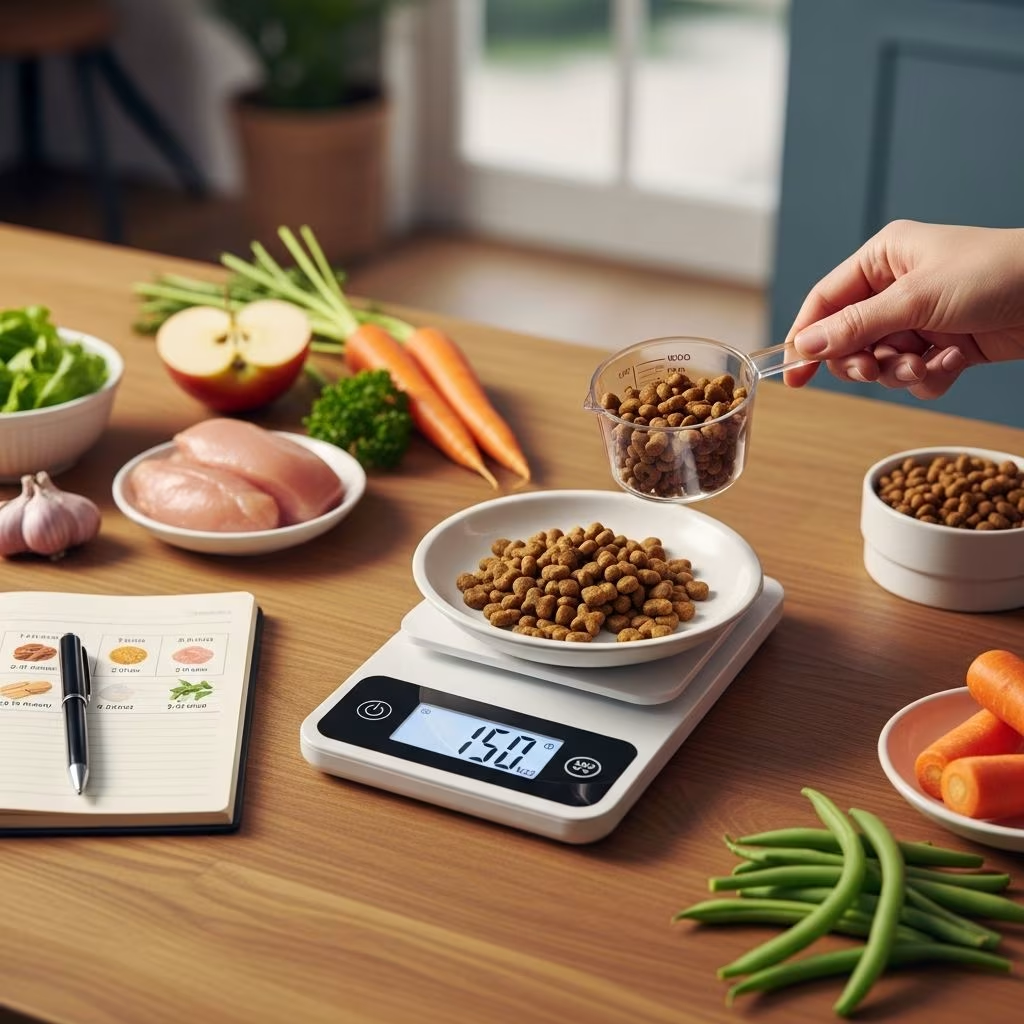
Understanding the caloric content of pet food is essential for maintaining your dog’s or cat’s ideal body weight. With obesity affecting over 50% of pets in many regions, selecting the right food based on calorie density can make a significant difference in their health and longevity. This guide explores how to evaluate and compare pet foods, focusing on dry and wet varieties, weight control options, and standardized benchmarks like those from AAFCO.
Why Calories Matter in Pet Nutrition
Calories provide the energy pets need for daily activities, growth, and maintenance. However, excess calories lead to weight gain, while insufficient intake causes malnutrition. Pet foods vary widely in caloric density due to differences in moisture, protein, fat, and carbohydrate levels. Dry foods typically pack more calories per gram than wet foods because of their low water content.
Factors influencing caloric needs include age, breed, activity level, neuter status, and health conditions. For instance, a sedentary indoor cat requires fewer calories than an active working dog. Tools from veterinary sources help estimate these needs accurately.
Decoding Pet Food Labels for Caloric Insights
Pet food labels list calorie content in kcal/kg or per cup, but raw numbers can mislead without context. AAFCO mandates calorie disclosure, often on the label or manufacturer’s site. To compare fairly, convert nutrients to a caloric basis, such as grams per 1000 kcal, accounting for moisture differences.
Guaranteed analysis shows minimum protein and fat percentages “as fed,” but these ignore water content. Dry foods average 10% moisture, while canned reach 75-80%, making label percentages appear lower for wet foods. Use this formula for accurate comparison:
- Add 1.5% to protein and 1% to fat from the label (estimates nitrogen-free extract).
- Divide kcal/kg by 10,000.
- Divide adjusted percentages by the result for g/1000 kcal.
Standardized Benchmarks: AAFCO Guidelines
The Association of American Feed Control Officials (AAFCO) sets nutrient profiles but also influences calorie expectations for weight management foods. Light or reduced-calorie formulas should not exceed certain thresholds to qualify, helping prevent overfeeding. Meeting these standards ensures foods support weight loss without compromising nutrition.
Comparing Calories in Dry Dog Foods
Dry dog foods range from 300-500 kcal per cup, depending on the formula. Weight management options aim lower to promote satiety with fewer calories. Here’s a comparison table of popular brands’ approximate calories per cup:
| Brand/Formula | Calories per Cup (kcal) | Notes |
|---|---|---|
| Diamond Naturals Lamb & Rice Lite | 275 | Low-calorie for weight control |
| Nutro Natural Choice Weight Control | 273 | High fiber for fullness |
| Hill’s Science Diet Light | ~300-350 | Meets AAFCO light criteria |
| Purina Pro Plan Adult | 380-400 | Standard maintenance |
| SportMix Maintenance | 499 | Higher energy formula |
Hill’s Science Diet stands out in weight management by adhering to AAFCO maximum calorie limits, unlike many competitors. Lower-calorie dry foods often include high-quality proteins and fibers to maintain muscle while reducing fat intake.
Analyzing Dry Cat Food Calorie Levels
Cats, prone to obesity from overfeeding, benefit from precise calorie control. Dry cat foods for weight loss target under 350 kcal/cup. Comparisons reveal variances:
| Brand/Formula | Calories per Cup (kcal) | Key Features |
|---|---|---|
| Hill’s Science Diet Light | ~300-340 | AAFCO-compliant low calorie |
| Nutro MAX Senior | 280 | Suitable for less active cats |
| Purina ONE Adult | ~400 | Balanced for maintenance |
| Pro Plan Adult | ~450 | Higher for active felines |
Formulas like Hill’s provide clinically proven antioxidants alongside low calories, supporting immune health during dieting.
Wet vs. Dry: Caloric Density Breakdown
Wet foods have fewer calories per kilogram due to high moisture (70-80%), typically 800-1200 kcal/kg vs. 3500-4500 for dry. Example conversion:
| Type | % Fat Label | % Moisture | % Fat Dry Matter | g Fat/100 kcal |
|---|---|---|---|---|
| Dry | 12 | 10 | 13.3 | 3.5 |
| Canned | 6 | 78 | 27.3 | 6.3 |
A dog needing 500 kcal/day might eat 1 cup of dense dry food or 2-3 cans of wet, adjusting volume for calories.
Calculating Your Pet’s Daily Calorie Requirements
Estimate needs using formulas like Resting Energy Requirement (RER): RER = 70 x (body weight in kg)^0.75, then multiply by lifestyle factors (1.0-1.6 for dogs, 1.0-1.4 for cats).
- Sedentary pet: RER x 1.0
- Active pet: RER x 1.6
- Weight loss: RER x 0.8
Track total intake from meals, treats (10-15% of calories max), and table scraps. Online calculators from vet alliances simplify this.
Strategies for Weight Management with Low-Calorie Foods
Opt for AAFCO-approved light foods with high protein (25-30%+ dry matter) to preserve lean mass. Increase fiber for satiety and add veggies as low-cal fillers. Transition gradually over 7-10 days to avoid digestive upset.
Monitor progress monthly: weigh pets, check body condition score (ideal is visible waist, palpable ribs). Consult vets for tailored plans, especially with conditions like diabetes.
Common Pitfalls in Pet Feeding and How to Avoid Them
- Volume over calories: Free-feeding by cup ignores density differences.
- Treat overload: Limit to 10% daily calories.
- No adjustments: Recalculate post-neuter (needs drop 20-30%).
- Label misreads: Always verify kcal on packaging or site.
Frequently Asked Questions (FAQs)
How do I know if my pet food is low-calorie?
Check for under 350 kcal/cup in dry weight management formulas and AAFCO light compliance.
Can I mix dry and wet foods?
Yes, but calculate total calories to match needs.
What’s the best way to compare brands?
Use g/1000 kcal for nutrients and calories per cup/weight.
How often should I adjust feeding amounts?
Recheck every 3-6 months or with life changes.
Are treats included in calorie counts?
Yes, account for all sources daily.
Tools and Resources for Pet Owners
Leverage calculators from Pet Nutrition Alliance or APOP for precise estimates. Consult vet nutrition services for complex cases.
References
- Compare Calories in Pet Food to Other Brands — Hill’s Pet Nutrition. 2023. https://www.hillspet.com/pet-care/nutrition-feeding/pet-food-calorie-comparison-chart
- Guaranteed Analysis: Comparing Pet Foods — Today’s Veterinary Practice. 2013-02-01. https://todaysveterinarypractice.com/wp-content/uploads/sites/4/2015/02/TVP_2013_GuaranteedAnalysisComparingPetFoods.pdf
- Comparing Nutrient Levels Between Two Pet Foods — Tufts University Petfoodology. 2017-08-07. https://sites.tufts.edu/petfoodology/2017/08/07/nutrient_converter/
- Estimate How Much to Feed Your Dog or Cat — Association for Pet Obesity Prevention. 2024. https://www.petobesityprevention.org/pet-caloric-needs
- Popular Dog Food Calorie Contents — Franklin Animal Clinic. 2020. https://www.franklinanimalclinic.vet/sites/site-2382/documents/Dog_Dry_Foods1.pdf
- Calories — AAFCO. 2023. https://www.aafco.org/consumers/understanding-pet-food/calories/
- Calorie Calculator — Pet Nutrition Alliance. 2024. https://petnutritionalliance.org/resources/calorie-calculator/



