

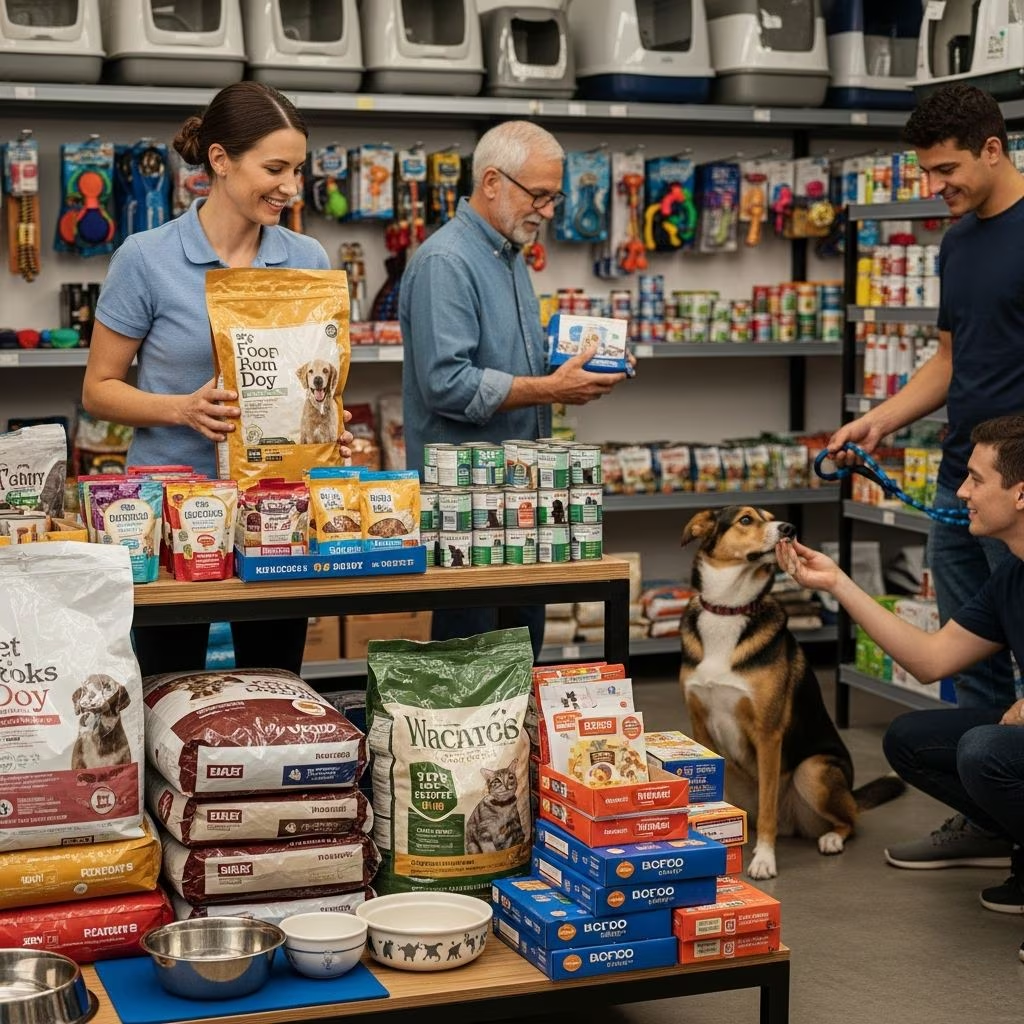
Pet Food Banks Are on the Rise: Support One Near You
Pet ownership brings joy, companionship, and responsibility to millions of households across the United States. However, not all pet parents have equal access to affordable pet food. In recent years, stories of pet owners struggling to feed their dogs and cats have made headlines, with some facing the heartbreaking decision to rehome their beloved companions due to financial constraints. Fortunately, a growing movement is changing this narrative. Animal organizations and charitable partners have stepped up to create pet food pantries—also known as pet food banks—providing crucial support to pet parents in need. These community-driven initiatives are making a tangible difference in keeping families and their pets together.
Understanding the Pet Food Insecurity Crisis
Financial difficulty represents a significant challenge for pet owners across the nation. According to recent data, approximately 20 million pets in the U.S. experience poverty alongside their families, with many never having received veterinary care. The burden of pet food costs has become increasingly pressing, particularly as inflation has impacted household budgets. While pet food inflation has moderated in recent months, the cumulative effect of rising costs continues to strain many families.
Pet food insecurity is not merely an economic statistic—it has real, measurable consequences. Financial difficulty ranks as the third most common reason why pet parents surrender their animals to shelters, according to a Best Friends Animal Society analysis of Shelterluv data. When families cannot afford to feed their pets, they often face an impossible choice: compromise their own nutrition or part with their cherished companions. This crisis has prompted concerned individuals and organizations to take action, creating networks of support that keep pets and their families together.
The Growing Network of Pet Food Banks
Pet food banks have emerged as a powerful response to this crisis, with programs appearing in communities across the country. These operations take various forms and are hosted by different types of organizations, though animal shelters, rescues, and adoption centers are the most common hosts. Individual advocates also step up to establish these vital resources in their communities, demonstrating the widespread recognition of this need.
The scale of these programs has grown remarkably. In 2019, the pet food pantry in Polk County served around 95 families monthly, providing bags of cat and dog food donated from local stores along with supplies from individual donors. Los Angeles Animal Services operates two Pet Food Pantry locations in South Los Angeles and Van Nuys, which have assisted 1,846 pets through twice-monthly distributions since opening in June 2020. Similarly, the Best Friends Lifesaving Center in Salt Lake City has distributed nearly 77,000 pounds of dog and cat food to over 1,060 pets. In West Palm Beach, Florida, Peggy’s Pantry at Peggy Adams Animal Rescue League distributed more than 65,000 pounds of pet food in 2020 alone and continues serving the community.
How Pet Food Banks Make a Difference
The impact of pet food banks extends beyond simple food distribution. These programs fundamentally change outcomes for struggling families and their pets. In communities where these services operate, they serve as lifelines for pet parents who would otherwise face impossible decisions.
The testimonials from beneficiaries underscore this reality. Staff members working at these pantries have witnessed emotional moments of relief and gratitude, with people expressing profound thanks for being able to access food for their pets. For many families, knowing they can access pet food through a local pantry means the difference between keeping their beloved companion or being forced into rehoming.
In economically disadvantaged areas, pet food banks represent particularly crucial services. In regions where median household income falls below the national average and poverty rates exceed double the national rate, pet food pantries enable financially struggling animal lovers to maintain their bonds with their pets. This is not merely a matter of convenience—it addresses a fundamental need and preserves family units that might otherwise be torn apart by financial circumstances.
Examples of Pet Food Bank Impact
Several notable examples demonstrate the substantial reach and effectiveness of organized pet food bank efforts:
- Austin Pets Alive! — This Texas-based rescue distributed 4,400 pounds of pet supplies during a single day-long drive-thru event in September 2020, response so overwhelming that the organization considered hosting additional events.
- Los Angeles Animal Services — Since June 2020, the organization’s two pantry locations have supported 1,846 pets through twice-monthly distributions.
- Best Friends Lifesaving Center (Salt Lake City) — This facility has distributed approximately 77,000 pounds of dog and cat food to over 1,060 pets.
- Peggy Adams Animal Rescue League (West Palm Beach) — Peggy’s Pantry distributed more than 65,000 pounds of food in 2020, establishing a model of sustained community support.
- Kitty Bungalow (Los Angeles) — This feral cat rescue distributed approximately 460 bags of cat food to low-income residents caring for community cat colonies during a single-day event in 2020.
National Partnerships Expanding Access
Beyond individual shelter and rescue initiatives, national partnerships have dramatically expanded pet food bank reach. PetSmart Charities has emerged as a significant player in this space, partnering with Feeding America to distribute pet food to families facing food insecurity. The organization estimates that 30 million pets in the U.S. live in homes with people managing food insecurity.
Since its 2017 partnership with Feeding America began, PetSmart Charities has donated nearly 70 million pounds of pet food for distribution across the network. Additionally, PetSmart Charities partners with Meals on Wheels America to support senior pet owners, reaching a milestone of 15 million pet meals delivered to seniors and their pets. Research by Meals on Wheels America found that more than one in five clients reported foregoing food themselves to feed their pets, highlighting the desperation many face.
The demand for these services remains substantial. According to Feeding America, more than 50 million people turned to food banks for support—a historical peak—with 63% of their food bank representatives reporting that current sources of pet food are insufficient to meet community needs.
How to Support an Existing Pet Food Bank
If you’re passionate about pet welfare and want to make a difference, supporting an existing pet food bank is one of the most impactful ways to help. There are numerous avenues through which you can contribute:
- Monetary Donations — Direct financial contributions allow pet food banks to purchase supplies and expand their operations.
- Pet Food Donations — Unopened, non-expired bags and cans of dog and cat food are always welcome.
- Supplies and Treats — Pet toys, treats, leashes, and other supplies enhance the services offered to beneficiaries.
- Volunteering — Donate your time sorting food, distributing supplies, or helping with organization and logistics.
- Corporate Sponsorships — If you own or work for a business, consider sponsoring events or providing in-kind donations.
- Fundraising — Organize or participate in fundraising events to support local pet food banks.
Starting Your Own Pet Food Bank
Though pet food banks are growing in number and reach, many communities still lack these vital resources. If your area doesn’t have a pet food bank, you can take action to establish one. According to experts, the best approach involves strategic partnerships and community engagement:
Partner with Local Organizations: Team up with local animal rescues, shelters, or adoption centers that have existing infrastructure and community connections. These established organizations can provide operational support and credibility.
Identify Funding Sources: Research grants available through organizations like Alley Cat Allies, which provides community food bank grants specifically designed to support pet food initiatives. Many national pet food companies also offer grants and donations to community programs.
Reach Out to Local Businesses: Contact pet food stores, grocery stores, and veterinary clinics in your area. Many businesses are eager to donate broken packages and short-dated items they cannot sell, transforming potential waste into community benefit. Most businesses appreciate knowing their products serve a meaningful purpose.
Connect with Pet Food Companies: Major pet food manufacturers often support community initiatives. Reaching out directly to these companies about your pet food bank can result in significant donations and support.
Engage Your Community: Use social media, local news outlets, and community gatherings to spread awareness about your initiative. Pet lovers are typically enthusiastic about supporting such programs and often become dedicated volunteers.
Learning from Successful Models
Successful pet food banks share common characteristics that contribute to their effectiveness. Kitty Bungalow’s model illustrates these principles in action. The organization applied for a community food bank grant from Alley Cat Allies, enabling strategic purchases of cat food. They simultaneously reached out to cat food brands for donations, combining multiple revenue streams to maximize their distribution capacity. By coordinating these efforts, they distributed approximately 460 bags of cat food to Los Angeles residents, supporting hundreds of community cats.
This approach—combining grants, corporate donations, and community support—creates a sustainable model that can be adapted to various community contexts and specific needs, whether serving dogs, cats, or all companion animals.
The Rewards of Supporting Pet Food Banks
Those involved in pet food bank operations consistently report profound satisfaction from their work. As volunteers and coordinators note, everyone they interact with displays genuine gratitude for the assistance provided. The gratification comes from knowing that you’re directly helping prevent pet hunger and preserving family bonds that might otherwise be broken by financial hardship. This tangible impact—seeing a struggling family reunited with hope and resources for their pets—makes the time and effort invested in these initiatives deeply rewarding.
Frequently Asked Questions About Pet Food Banks
Q: How do pet food banks help prevent pet surrender to shelters?
A: By providing free or low-cost pet food to financially struggling families, pet food banks reduce one of the major barriers to pet retention. Financial difficulty is the third most common reason for pet surrender, and these pantries directly address this challenge.
Q: What types of pet food and supplies do pet food banks typically provide?
A: Pet food banks primarily distribute bags and cans of dog and cat food. Many also provide treats, toys, leashes, and other pet supplies donated by local businesses and individuals.
Q: How often can families access pet food from a pantry?
A: Frequency varies by location. Some pantries operate monthly, while others offer twice-monthly distributions. Some programs operate as one-day events. Specific details depend on the individual organization and community needs.
Q: Where are pet food banks typically located?
A: Animal shelters, rescue organizations, and adoption centers are the most common hosts. However, pet food banks also operate through food banks, community centers, and other charitable organizations in some areas.
Q: How can I find a pet food bank near me?
A: Contact your local animal shelter or rescue organization, search online for pet food pantries in your area, or reach out to community food banks that may offer pet food services alongside human food distribution.
Q: What if I want to donate to a pet food bank but don’t have money?
A: Volunteering is invaluable. Most pet food banks welcome volunteers to help sort, organize, and distribute food. Your time and effort are just as important as financial contributions.
References
- Pet Pantries Are on the Rise—Here’s How to Support One Near You — Chewy, Inc. 2024. https://www.chewy.com/education/cat/food-and-nutrition/pet-food-banks-are-on-the-rise-heres-how-to-support-one-near-you
- PetSmart Charities distributes pet food through Feeding America — Pet Food Industry. 2024. https://www.petfoodindustry.com/news-newsletters/pet-food-news/news/15768207/petsmart-charities-distributes-pet-food-through-feeding-america
- Best in show: U.S. pet ownership — Bank of America Institute. 2025. https://institute.bankofamerica.com/economic-insights/us-pet-ownership.html
- 20 million pets in the US experience poverty with their families — Humane Society International. 2024. https://www.humaneworld.org/en/news/20-million-pets-us-experience-poverty-their-families



