

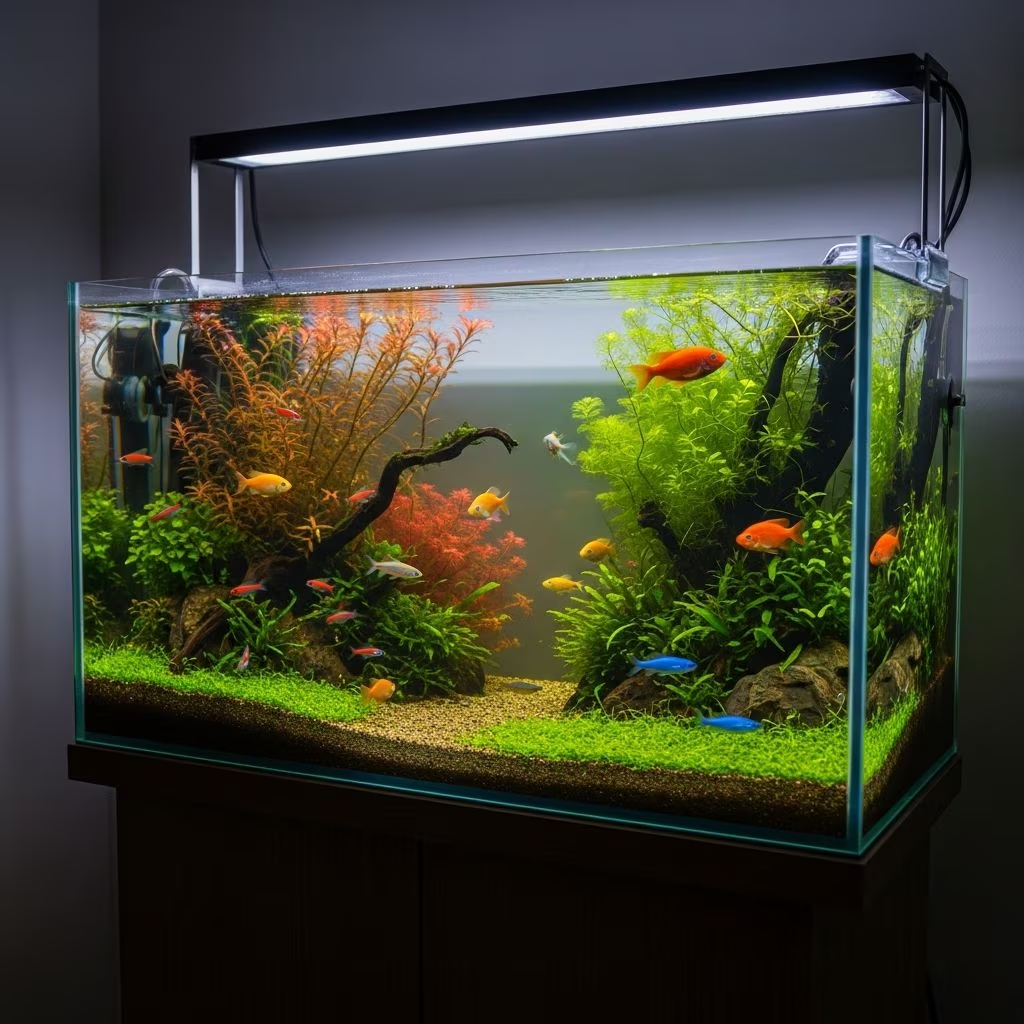
Pet Fish Care Guide: Everything You Need to Know
Keeping pet fish can be a rewarding and relaxing hobby, but it requires proper knowledge and commitment to ensure your aquatic companions thrive. Whether you’re a beginner or an experienced aquarist, understanding the fundamentals of fish care is essential for maintaining a healthy aquarium environment. This comprehensive guide covers everything you need to know about selecting, setting up, and maintaining a successful fish tank.
Choosing the Right Fish for Your Tank
Before setting up your aquarium, it’s important to decide what type of fish you want to keep. The two main categories are freshwater and saltwater fish, each with distinct advantages and care requirements.
Freshwater vs. Saltwater Fish
Freshwater fish tend to be a bit hardier than saltwater fish. The salinity levels of water in rivers and ponds can change significantly compared to the ocean, so freshwater fish can adapt to a wider range of water parameters in a tank. Since they’re easier to take care of, some of the most common fish you’ll see as pets are goldfish, guppies, betta fish, and neon tetras. Freshwater aquatic plants such as Java Moss, Water Wisteria, African Water Fern, and Amazon Swords can provide lush greenery in your tank.
Saltwater fish, on the other hand, are typically more colorful and visually stunning, but they require more precise water conditions and specialized equipment. Saltwater fish need a heater and thermometer to keep the temperature just right, whereas freshwater fish are more easygoing about temperature fluctuations. If you’re just starting out, freshwater fish are usually the better choice due to their hardiness and lower maintenance requirements.
Setting Up Your Aquarium
Proper aquarium setup is the foundation for a successful fish-keeping experience. Taking time to set everything up correctly will save you time and stress in the long run.
Selecting the Right Tank Size
Choosing the right tank depends on your budget, your home, and what you’d like to put inside. A larger tank is generally better because it provides more stable water conditions and gives fish more swimming space. For most community fish setups, a 20-gallon tank is a good starting point, though larger tanks are always preferable.
Tank Setup Steps
Follow these steps to properly set up your aquarium:
1. Prepare your space: Place the aquarium on a flat, stable surface that can support its full weight—water weighs approximately 8.3 pounds per gallon.
2. Rinse and place décor: Rinse all substrate and decorations with tap water (never use soap), then add them to the tank. Get creative decorating your tank with substrates, plants, and statues, but prioritize keeping it safe and fun for the fish.
3. Add water and conditioner: Fill the tank with tap water and use a water conditioner to remove chlorine and chloramines. If your home uses a water softener, use a tap source that bypasses it.
4. Install and test equipment: Set up the heater, filter, and thermometer according to manufacturer instructions. Add the hood and lighting and set lights on a 12-hour cycle using a timer for consistency.
5. Let the tank stabilize: Run the system for at least 24 hours to ensure all equipment works and the water temperature is stable.
6. Begin cycling the tank: Add beneficial bacteria starter and introduce just a few hardy fish to start, or follow a fishless cycling process to reduce stress.
Essential Equipment
Invest in these key pieces of equipment for your aquarium:
– Filter: A three-stage filtration system is ideal for maintaining water quality and reducing the workload of manual maintenance.- Heater and thermometer: Essential for maintaining stable water temperature, especially for tropical fish.- Lighting: Provides a 12-hour light cycle to support fish health and plant growth.- Gravel vacuum: Makes water changes and gravel cleaning efficient and effective.- Air pump: Helps oxygenate the water and create water circulation.
Water Quality and Maintenance
Maintaining proper water quality is absolutely critical for fish health. Regular monitoring and maintenance prevent disease and keep your fish thriving.
Regular Water Changes
For most average-sized tanks, a weekly water change can be extremely beneficial to the health and well-being of your fish. To perform a water change, remove about one-quarter of the water in the tank and replace it with treated water. You’ll need to replace your filter cartridge and perform a 25 percent water change every two to four weeks. During this process, you can also use a clean cloth to wipe algae off the glass and decorative items.
Always add a dechlorinator or water conditioner and bacteria starter to tap water before adding it to the aquarium. Do not add untreated tap water, as chlorine and chloramines are toxic to fish.
Water Quality Testing
Once a month, you should check the levels of ammonia, nitrate, and pH levels within your tank. During tank cycling, test water regularly and perform a water change if ammonia or nitrite is above 0 ppm or if nitrate exceeds 20 ppm. Maintaining proper chemical balance is essential for preventing stress and disease in your fish.
Tank Cleaning
Regular tank cleaning is crucial, but it doesn’t need to be daunting. You should vacuum the gravel thoroughly to remove any waste buildup using a standard, siphon-operated gravel vacuum. The easiest and most effective way to accomplish both a water change and gravel cleaning is with a single gravel vacuum tool.
You should avoid removing fish from the tank as much as possible and only do it for a deep clean every few months. When you do need to perform a deep clean, choose a container that’s deep enough that your fish won’t jump out, and rinse it with water. Transfer water directly from the aquarium to the rinsed container, as this will help prevent your fish from going into shock.
Feeding Your Fish
Proper nutrition is essential for maintaining fish health and longevity. Different fish species have different dietary requirements.
Feeding Guidelines
Feed your fish twice a day—only what they will eat in about five minutes. Overfeeding is one of the most common mistakes fish keepers make, as uneaten food degrades water quality and contributes to ammonia buildup. There is a huge variety of fish food available, but search for one high in quality protein, and keep in mind whether your fish feed at the bottom or surface of the water.
Types of Fish Food
Different fish have different dietary needs. Consider these options:
– High-quality tropical fish flakes: Suitable for most community fish species.- Frozen bloodworms or brine shrimp: Excellent for carnivorous fish species.- Sinking vegetable-based pellets: Ideal for bottom feeders like plecos and shrimp.- Blanched vegetables: Offer broccoli, cucumber, zucchini, and leafy greens to herbivorous fish.- Live food: Some fish require frozen or live food to remain healthy and happy.
Fish Health and Disease Prevention
The best way to care for your fish’s health is to prevent illness in the first place. By watching your fish’s appearance and behavior, you can detect illnesses early on.
Prevention Strategies
Implement these health management practices:
– Quarantine new or ill fish: Always quarantine new fish for at least two weeks before introducing them to your main tank.- Provide a high-quality diet: Proper nutrition strengthens immune systems and promotes vibrant coloration.- Monitor water quality: Regular testing prevents stress-related illnesses.- Maintain regular cleaning schedules: Consistent water changes and filter replacements reduce disease vectors.- Watch for bullies: Make sure there are no aggressive fish in the tank that cause stress to other inhabitants.- Avoid sudden temperature changes: Avoid stressing your fish with sudden water temperature changes and loud noises.
Acclimating New Fish
When introducing new fish to your tank, proper acclimation is essential. Make sure the water your fish enter is approximately the same temperature as the water from which they leave. To equalize temperatures, float the transport container in the tank for about 15 minutes. Then, at five-minute intervals, open the bag and add a small amount of aquarium water. Finally, after 15 minutes, gently net the fish and place it in the aquarium. Do not add bag water to the aquarium, as it may contain pathogens or different water chemistry.
Handling Fish Safely
Fish are delicate creatures that should be handled minimally. You should only handle them in an emergency or if they need to be moved to a different tank. Even the toughest fish can suffer permanent damage to their fins and gills if handled improperly.
Fish are covered in a slime coat that acts as a barrier from bacteria and impurities in the water. If the slime is rubbed off, they can lose their protection against infections and diseases. Fish could also become stressed from your movement and perceive it as an attack. If you absolutely need to transport your fish into another tank, gently scoop them out of the water using a net and allow them to swim out on their own into the destination tank.
Tank Decoration and Enrichment
Decorations and plants provide more than just aesthetic appeal—they create a stimulating environment where fish can engage in natural behaviors. Use your decorating skills to enrich your fish’s life and provide opportunities for them to engage in their natural behaviors. Heavily planted tanks are stunning and provide excellent hiding spots and grazing areas for fish.
Natural sand and gravel substrates are preferable to artificial ones. Lots of live plants are preferred, and they need to surface to breathe, so providing decorations they can rest on near the surface is important. As tempting as it may be, don’t touch your fish or tap on the tank—try interacting with them from the outside instead.
Community Tank Considerations
If you’re planning a community tank with multiple fish species, compatibility is crucial. They do well with peaceful fish too large to fit into their mouths, though they may prey on shrimp or small fish. This group looks stunning in a heavily planted tank and can cohabitate with other peaceful fish and often with some semi-aggressive fish.
Frequently Asked Questions
Q: How often should I change the water in my fish tank?
A: For most average-sized tanks, perform a weekly water change of about 25 percent. You’ll also need to replace your filter cartridge every two to four weeks.
Q: What’s the best temperature for most freshwater fish?
A: Most tropical freshwater fish do well between 75-80°F (24-27°C). Use a heater and thermometer to maintain consistent temperatures.
Q: Can I use tap water directly in my aquarium?
A: No, you must always treat tap water with a water conditioner to remove chlorine and chloramines before adding it to your tank.
Q: How do I know if my fish are sick?
A: Watch for changes in appearance and behavior, such as loss of color, unusual swimming patterns, or refusing food. Early detection helps prevent serious illness.
Q: What’s the best fish food for beginners?
A: High-quality tropical fish flakes are suitable for most community fish species. Look for products with high protein content and feed only what your fish can eat in five minutes.
Q: How many fish can I keep in my tank?
A: This depends on tank size and fish species. Generally, allow 1 inch of fish per gallon of water, though larger fish require more space. Avoid overcrowding, as it reduces water quality.
References
- How to Care for Fish: A Complete Guide — Wag Walking. 2024. https://wagwalking.com/wellness/how-to-care-for-fish-a-complete-guide
- Community Fish Care Guide — PetSmart. 2024. https://www.petsmart.com/learning-center/fish-care/community-fish-care-guide
- Beginners Guide to Successful Fishkeeping — Marineland. 2024. https://www.marineland.com/information/infographics-and-guides/a-beginners-guide
- Selecting a Pet Fish — American Veterinary Medical Association. 2024. https://www.avma.org/resources/pet-owners/petcare/selecting-pet-fish



