

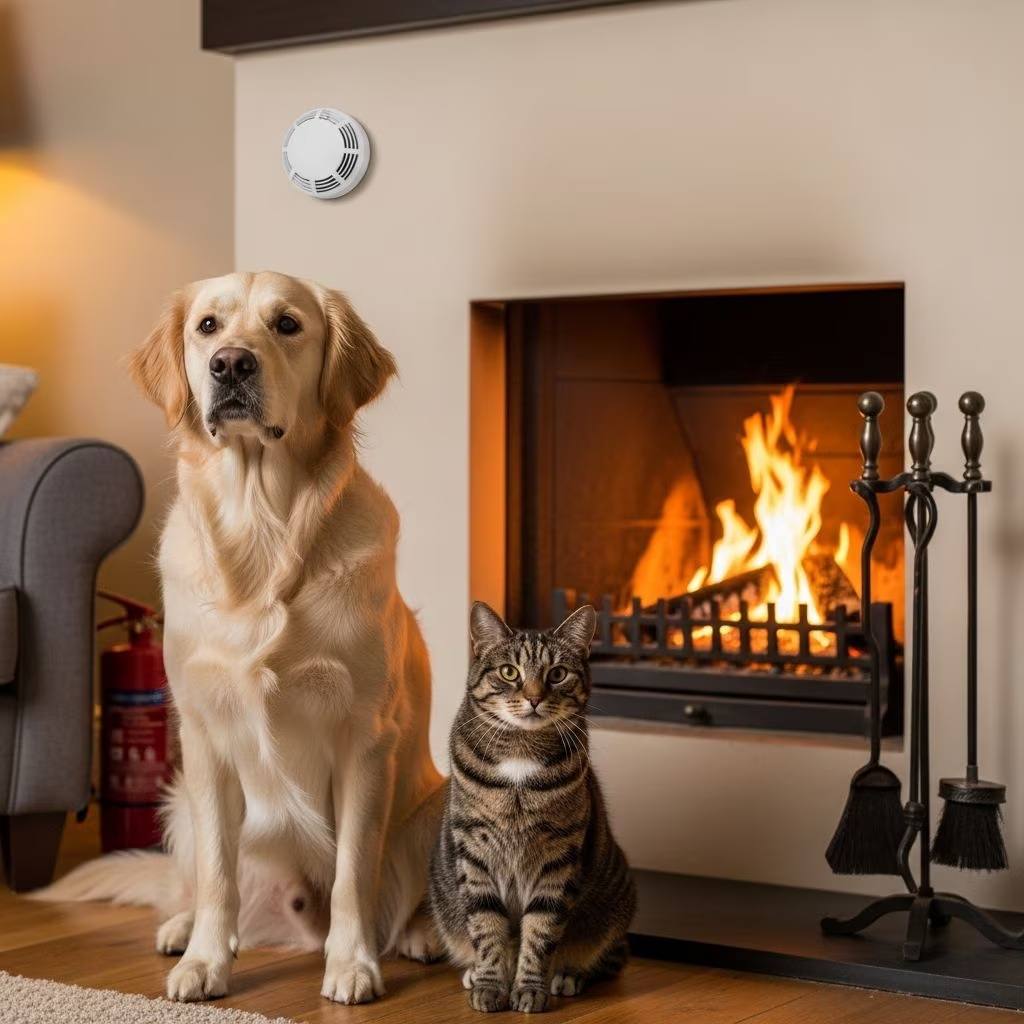
House fires pose a significant threat to pets, who may hide in panic or inadvertently start blazes due to curiosity. This guide outlines proactive measures to minimize risks, prepare for emergencies, and enhance survival chances, drawing from established safety protocols.
Understanding Fire Risks for Pets
Pets contribute to nearly 1,000 home fires annually through actions like knocking over candles or chewing wires, according to fire safety data. Common culprits include open flames from stoves, fireplaces, and candles, as well as electrical hazards from cords accessible to playful animals. Dogs with wagging tails or cats leaping onto counters can easily ignite disasters if precautions are absent.
Smoke inhalation remains the primary killer in fires, affecting pets rapidly due to their proximity to the floor where toxic fumes accumulate. Statistics highlight that pets left alone face heightened vulnerability, underscoring the need for prevention and rapid response strategies.
Preventing Fires Caused by Pets
Curious pets explore their surroundings, often leading to accidental ignitions. To mitigate this:
- Secure stove knobs with covers when leaving the home, preventing paws from turning on gas or electric burners.
- Hide electrical cords behind furniture or use protective sleeves to deter chewing, a frequent cause of sparks and shocks.
- Keep pets away from open flames; never leave them unsupervised near candles, fireplaces, or space heaters.
- Turn pot handles inward on stovetops to avoid grabs by jumping pets.
- Avoid glass water bowls on sunny decks, as focused sunlight can ignite wood beneath.
These steps create a pet-proof environment, reducing ignition sources significantly.
Installing Essential Detection Systems
Smoke detectors are critical, but standard models may not alert authorities if no one is home. Opt for monitored smoke detectors connected to a central service that dispatches firefighters automatically. Test all units monthly and replace batteries yearly to ensure reliability.
In fire-prone regions, combine these with carbon monoxide detectors for comprehensive protection. Place them near sleeping areas, including where pets rest, to provide early warnings.
Developing a Comprehensive Escape Plan
A family fire escape plan must include pets explicitly. Key elements include:
- Mapping two exit routes per room, ensuring clear paths without obstacles.
- Designating a safe outdoor meeting point for headcounts, including pets.
- Practicing drills biannually: activate alarms, evacuate with leashes in hand, and time the process.
- Confining pets to rooms near entrances when home alone, using gates for easy access by rescuers.
Store leashes and collars by exit doors for swift grabs during evacuations. Never re-enter a burning structure for a pet—inform firefighters instead, as they are trained for animal rescues.
Alerting Rescuers to Pet Presence
Pet alert window clings are simple yet vital tools. Affix one near front entrances listing the number and types of pets inside, plus your contact info. Update it promptly if pet counts change. These stickers guide firefighters, saving precious time in smoke-filled chaos.
Additionally, microchip pets and maintain current ID tags. In panic, animals may flee; chips enable reunions post-evacuation.
| Method | Pros | Cons | Best For |
|---|---|---|---|
| Window Cling | Visible to rescuers; quick info | Requires updates | Home exteriors |
| Microchip | Permanent ID; no loss risk | Needs scanner | Runaways |
| Leashes by Door | Immediate control | Can tangle | Evacuations |
Pet Sleeping and Hiding Habits
Pets often retreat to familiar spots during stress: under beds, in closets, or behind furniture. Note these locations and share with household members. Encourage pets to sleep near bedrooms or exits at night for easier location.
Use baby gates to limit access to upper floors or distant rooms, keeping animals in rescuer-friendly zones.
Assembling a Pet Emergency Kit
Prepare a grab-and-go kit with:
- Leashes, collars, and muzzle if needed for handling.
- Pet medical records, vaccination proofs, and vet contacts.
- Extra food, water bowls, and medications for 72 hours.
- Photos of pets for identification if separated.
- Blankets for comfort in temporary shelters.
Store near main exits and review contents biannually.
Special Considerations for Multi-Pet Homes
With multiple animals, assign roles: one person per pet during drills. Use crates for small pets during practice to simulate stress. For businesses like kennels, conduct quarterly drills, designate handlers, and comply with local fire codes including extinguishers and sprinklers.
National Pet Fire Safety Awareness
Observe initiatives like National Pet Fire Safety Day by downloading free resources and stickers from fire departments. These promote widespread education on integrating pets into safety routines.
Frequently Asked Questions
What should I do if a fire starts while I’m away?
Monitored detectors notify services automatically. Window clings inform responders of pets inside.
Can pets really start fires?
Yes, through stove knobs, chewed wires, or toppled candles—prevention is key.
How often should we practice our plan?
Twice yearly, simulating alarms and full evacuations.
Are there free pet alert stickers available?
Yes, often from local fire stations or organizations on awareness days.
What if my pet hides during a fire?
Note hiding spots in your plan; firefighters check common areas first with alerts.
Long-Term Safety Habits
Incorporate fire safety into daily life: conduct home audits for hazards, update chips annually, and educate family on pet behaviors. For rentals or apartments, verify building alarms and discuss pet policies with management.
Businesses housing pets must exceed basics: train staff, map secondary routes, and maintain compliant equipment. These habits transform potential tragedies into manageable events.
References
- Pet Fire Safety Tip Sheet — National Fire Protection Association (NFPA). 2023. https://www.nfpa.org/downloadable-resources/safety-tip-sheets/pet-fire-safety-tip-sheet
- Fire Safety for Pet Owners Fact Sheet — Electrical Safety Foundation International (ESFI). 2024. https://www.esfi.org/fire-safety-for-pet-owners-fact-sheet/
- Pet Fire Safety Tips Handout — Today’s Veterinary Practice. 2023-07-15. https://todaysveterinarypractice.com/pet-owner-resources/pet-fire-safety-tips-handout/
- How Do Pets Factor Into Your Fire Safety Plan — First Alert. 2024. https://www.firstalert.com/blogs/safety-corner/how-do-pets-factor-into-your-fire-safety-plan
- Fire Safety and Your Pets — ASPCA. 2024. https://www.aspca.org/news/fire-safety-and-your-pets-keeping-them-safe-unexpected



