

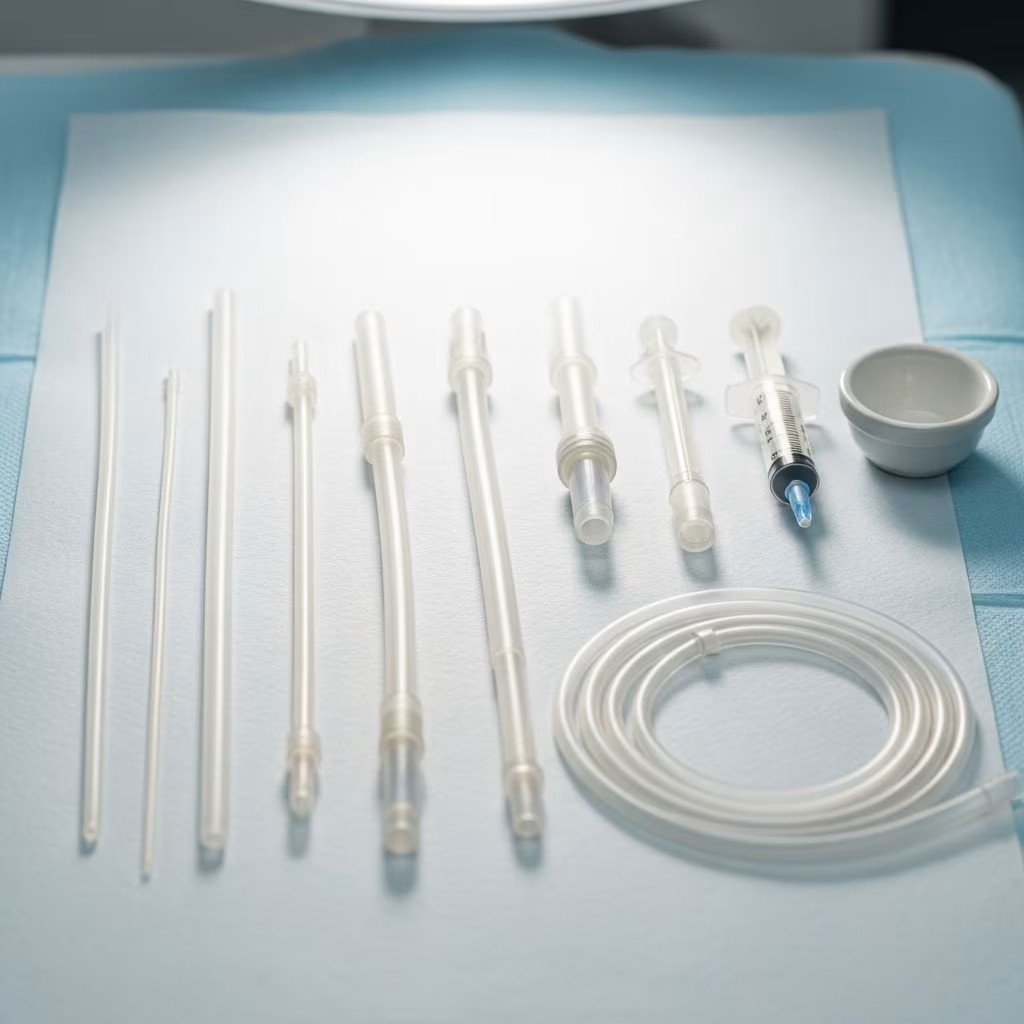
Feeding tubes provide critical nutritional support for pets unable to eat voluntarily due to illness, injury, or surgery. These devices deliver liquefied food directly into the digestive tract, preventing malnutrition and aiding recovery.
Why Pets Need Assisted Nutrition
Pets may refuse food from pain, nausea, mouth injuries, or systemic diseases. Prolonged anorexia risks severe issues like hepatic lipidosis in cats, where fat accumulates in the liver, or muscle wasting in dogs. Nutritional deficits also weaken immunity, delay healing, and cause electrolyte imbalances such as low potassium or blood sugar.
Indications include:
- Chronic conditions like kidney disease, pancreatitis, or fatty liver disease.
- Trauma such as jaw fractures, esophageal strictures, or megaesophagus.
- Post-surgical recovery where swallowing is impaired.
- Anorexia lasting 3+ days despite appetite stimulants.
Veterinarians recommend tubes when oral intake fails to meet caloric needs, prioritizing quality of life. Tubes suit short-term (days) or long-term (months) use, especially for non-curable illnesses if the pet remains otherwise comfortable.
Types of Feeding Tubes for Pets
Several tube varieties exist, chosen by location, duration, and pet condition. Each bypasses the mouth for safe nutrient delivery.
| Type | Location | Duration | Pros | Cons |
|---|---|---|---|---|
| Nasogastric (NG) | Nose to stomach | Short-term (up to 5 days) | Quick placement, no anesthesia | Prone to clogging, removal; unsuitable if vomiting |
| Esophagostomy (E-tube) | Esophagus (neck incision) | Short to medium (weeks) | Home use, meds/fluids possible; shorter hospital stays | 35-71% complication rate; infection risk |
| Gastrostomy (G-tube) | Stomach (abdominal) | Medium to long-term | Stable seal after 1-2 weeks; reliable | Requires anesthesia; peritonitis if dislodged |
| Jejunostomy | Small intestine | Long-term | Bypasses stomach issues | Small diameter limits diet; high complication risk |
E-tubes and G-tubes are popular for home care, allowing owners to administer blended diets, medications, and hydration.
Placement Procedures Explained
Tube insertion typically requires sedation or anesthesia for comfort and precision. NG tubes use endoscopy or blind placement; E-tubes involve a neck incision under imaging guidance; G-tubes need surgical stomach puncture.
Post-placement, a seal forms around G-tubes in 1-2 weeks, reducing leakage risks. Pets often need an Elizabethan collar to prevent tampering. Complications during placement include laryngeal issues or esophageal trauma, though rare.
Preparing the Right Diet for Tube Feeding
Only liquid formulas pass through tubes. Blenderize canned pet food with warm water to a thin consistency, aiming for high-calorie options to minimize feedings.
- Recipe tips: Mix 1 part food : 1-2 parts water; strain for smoothness.
- Use prescription diets for kidney or liver disease.
- Avoid meat-heavy foods if contraindicated.
- Room-temperature mixtures prevent discomfort; feed over 20-30 minutes.
Flush tubes with lukewarm water before/after feeds and meds to avoid clogs. Medications crush finely or use liquid forms.
Home Care Essentials for Feeding Tubes
Owners can manage most tubes at home after vet training, reducing hospital time.
- Clean site daily with mild soap/water; monitor for redness, discharge, or swelling.
- Secure tube with tape or shirts; use collars if needed.
- Feed 4-6 boluses daily, calculating 50-75% resting energy needs initially, increasing gradually.
- Observe for nausea: slow/stop if lip-licking or gagging occurs.
- Track weight weekly; consult vet for adjustments.
Pets can eat orally alongside tubes, encouraging natural appetite. Remove only after 1 week of full voluntary intake.
Common Complications and Prevention
Tubes carry risks, but most are manageable. Overall rates: 35-70% depending on type.
- Infection: Clean diligently; antibiotics if needed.
- Dislodgement: Collars prevent; seek immediate vet care.
- Clogging: Flush routinely.
- Aspiration/Diarrhea: Elevate head during feeds; slow rates.
- Rare: Peritonitis (G-tubes), neurovascular trauma (E-tubes).
E-tube studies show 35.8% complications in cats, rising to 48% in survivors, including discharge issues or vomiting.
Benefits Beyond Basic Nutrition
Tubes deliver meds/fluids easily, vital for kidney patients needing hydration. They shorten hospital stays, lower stress, and extend life in manageable diseases by optimizing diets.
In pancreatitis or liver cases, sustained calories aid recovery; for chronic issues, they maintain weight and slow progression.
Quality of Life Considerations
Use tubes only if pets enjoy good days overall. Avoid prolonging suffering in terminal cases. Assess energy, comfort, and interactions.
Frequently Asked Questions
Can my pet live normally with a feeding tube?
Yes, many do. Tubes don’t hinder play or sleep once adjusted; some resume partial oral eating.
How long does recovery from tube placement take?
Most cats/dogs stabilize in days; full site healing 1-2 weeks.
Is anesthesia always required?
For E/G-tubes yes; NG often not.
What if the tube clogs at home?
Flush with warm water; use soda for stuck meds, then water. Vet if unresolved.
Cost of feeding tubes?
Varies; placement $500-2000+, food affordable. Long-term savings via home care.
Monitoring Progress and Removal
Weigh pets regularly; aim for steady gain. Transition off when voluntary eating meets needs for 7 days. Removal is quick outpatient.
Success stories abound: cats with kidney disease thrive longer on tube-fed renal diets.
References
- Tube Feeding in Cats — VCA Animal Hospitals. Accessed 2026. https://vcahospitals.com/know-your-pet/tube-feeding-in-cats
- Assisted Feeding: When to Consider a Feeding Tube — Tufts University Cummings School of Veterinary Medicine. 2020-07-13. https://sites.tufts.edu/petfoodology/2020/07/13/when-to-consider-a-feeding-tube/
- Esophageal feeding tube placement and the associated complications in cats — PMC – NIH (Wiley Online Library). 2019-05-01. https://pmc.ncbi.nlm.nih.gov/articles/PMC6524112/
- Enteral feeding in dogs and cats: Indications, principles and techniques — dvm360. Accessed 2026. https://www.dvm360.com/view/enteral-feeding-dogs-and-cats-indications-principles-and-techniques-proceedings
- The Ins And Outs Of Pet Feeding Tubes — Texas A&M University College of Veterinary Medicine & Biomedical Sciences. Accessed 2026. https://vetmed.tamu.edu/news/pet-talk/pet-feeding-tubes/



