

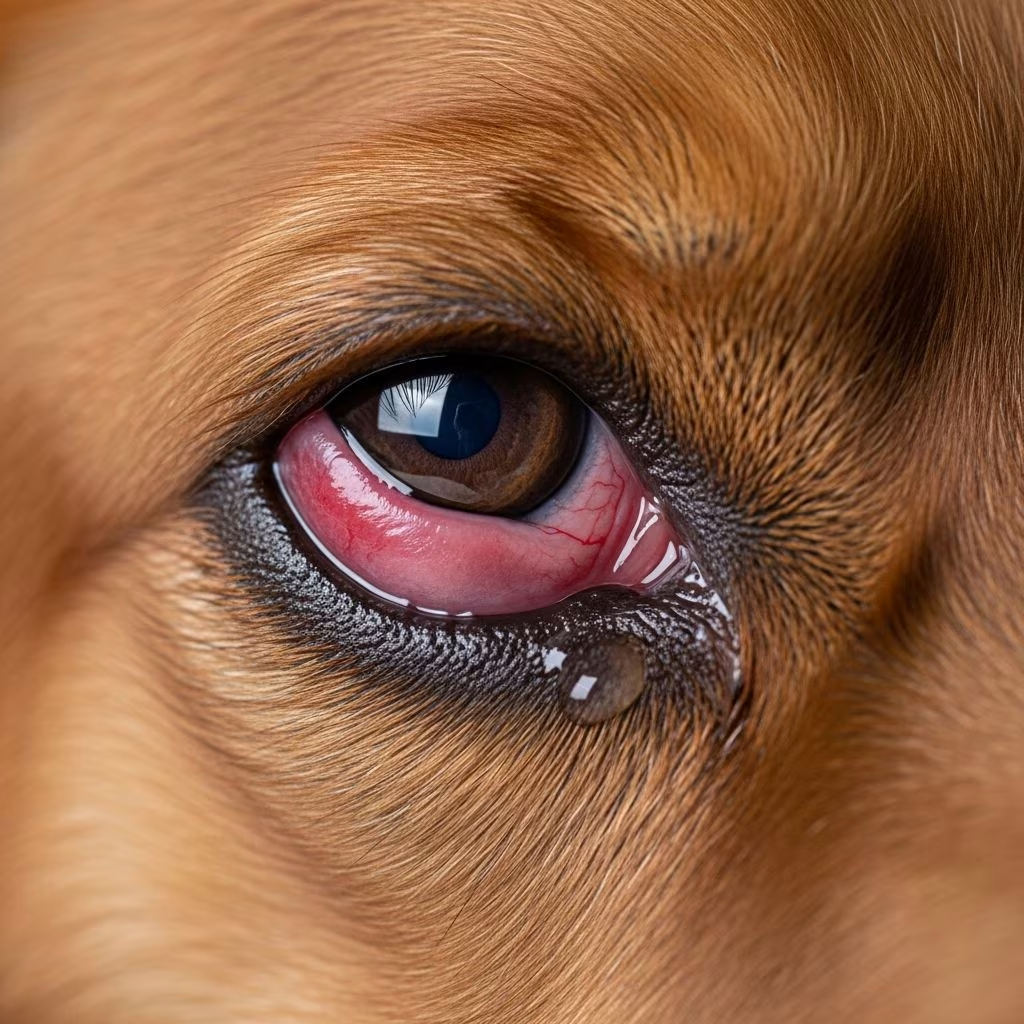
Conjunctivitis, commonly known as pink eye, represents one of the most frequently encountered eye conditions in companion animals. This inflammatory condition affects the conjunctiva—the transparent membrane that covers the white portion of the eye and lines the inner eyelids. When pet owners notice their dog or cat displaying signs of ocular discomfort, understanding the nature of conjunctivitis becomes essential for timely intervention and appropriate care management.
What Exactly is Pet Conjunctivitis?
Conjunctivitis in pets develops when the conjunctival tissue undergoes inflammation, resulting in visible changes to the eye’s appearance and the animal’s behavior. Unlike human conjunctivitis, which primarily affects the visible eye structures, pet conjunctivitis can involve multiple eyelid surfaces and surrounding tissues. The condition manifests as noticeable redness, often accompanied by various discharge types depending on the underlying cause.
The conjunctiva serves as a protective barrier for the eye, and when this barrier becomes irritated or infected, it triggers an inflammatory response. This response is the body’s natural attempt to combat the offending agent, whether infectious, allergic, or environmental in nature.
Recognizing Conjunctivitis Symptoms in Your Pet
Pet owners should monitor their animals for several key indicators that suggest conjunctivitis development. These symptoms often appear suddenly and may progress if left unaddressed:
- Eye discharge: This represents the most visible sign and varies significantly based on the conjunctivitis type. Discharge may appear watery and clear, thick and yellowish, or crusty and dried.
- Excessive tearing: Pets with conjunctivitis frequently display increased tear production, creating wet patches around the eye area and causing moisture-related irritation.
- Redness and swelling: The conjunctival tissue becomes noticeably inflamed, causing the white portions of the eye to appear pink or red. Eyelid swelling may also occur.
- Behavioral changes: Affected pets often exhibit squinting, excessive blinking, and pawing or rubbing at the affected eye or eyes.
- Crusting: In some cases, dried discharge accumulates on eyelashes and surrounding fur, creating visible crusts.
- Light sensitivity: Some pets show discomfort when exposed to bright light, preferring to keep the affected eye partially closed.
The presentation may affect one eye initially or both eyes simultaneously, depending on the underlying cause. Viral infections typically begin in one eye before spreading to the other, while bacterial infections often affect both eyes with greater rapidity.
Understanding the Underlying Causes
Conjunctivitis in pets stems from diverse sources, and identifying the specific cause directly influences treatment strategy and prognosis. Veterinary professionals typically categorize conjunctivitis into several distinct types:
Infectious Conjunctivitis
Both bacterial and viral organisms can trigger infectious forms of conjunctivitis. Bacterial infections frequently develop secondary to trauma, foreign bodies, or compromised tear production. Common bacterial pathogens affecting pets include species normally found on skin and respiratory surfaces. These infections typically produce thick, purulent discharge with yellowish or greenish coloration.
Viral conjunctivitis in dogs often relates to systemic viral conditions, while cats may develop herpes virus-related conjunctivitis. Viral forms generally produce watery discharge and may accompany respiratory symptoms or other systemic signs.
Allergic Conjunctivitis
Environmental and dietary allergens trigger allergic conjunctivitis in genetically predisposed pets. Pollen, dust mites, mold spores, and certain food components can prompt immune-mediated inflammatory responses. Allergic conjunctivitis typically manifests with intense itching, bilateral involvement, and seasonal patterns. Pets often display sneezing, nasal discharge, or skin irritation alongside ocular symptoms.
Environmental Irritants
Exposure to smoke, dust, chlorine, shampoo residue, or chemical substances can cause irritant-induced conjunctivitis. This form typically resolves once the offending agent is removed and the eye is properly rinsed. The severity depends on the irritant’s nature and duration of contact.
Structural and Mechanical Factors
Entropion (inward-rolling eyelids), ectropion (outward-rolling eyelids), and hair growth abnormalities can mechanically irritate the conjunctiva. Breeds with facial structure predispositions, such as pugs and bulldogs, experience higher incidence rates of mechanical conjunctivitis.
Tear Production Deficiencies
When tear production declines inadequately, the cornea and conjunctiva lack proper lubrication and protection. This condition, known as keratoconjunctivitis sicca, requires specific management approaches distinct from infectious forms.
Treatment Approaches Based on Cause
Effective conjunctivitis management requires accurate diagnosis of the underlying cause, as treatment protocols vary significantly:
Managing Viral Conjunctivitis
Viral conjunctivitis typically follows a self-limited course, resolving within several days to two weeks without specific antiviral therapy. Supportive care focuses on comfort and preventing secondary complications. Veterinarians recommend cool compresses applied several times daily to reduce inflammation and soothe irritation. Artificial tear solutions help maintain conjunctival hydration and flush away viral particles and inflammatory debris.
Pet owners should discourage animals from rubbing or scratching the affected eye, as this action introduces bacteria and causes additional trauma. Strict hygiene practices, including regular hand washing after contact with the affected pet, prevent transmission to other household animals or family members.
Treating Bacterial Infections
Bacterial conjunctivitis responds well to topical antibiotic medications prescribed by veterinary professionals. These medications come in drop or ointment formulations and typically require application several times daily for seven to fourteen days. Antibiotic selection depends on bacterial culture results when available, or empiric therapy based on common pathogenic organisms.
Regular eyelid and eyelash cleaning removes accumulated discharge and crusting, preventing bacterial overgrowth. Warm compresses applied gently before cleaning soften dried discharge, facilitating easier removal. Pet owners should never apply excessive pressure, as this may spread infection or cause additional trauma.
Addressing Allergic Conjunctivitis
Allergen identification and avoidance form the foundation of allergic conjunctivitis management. This may involve removing environmental triggers, changing bedding materials, or adjusting dietary components. When avoidance proves insufficient, veterinarians may recommend antihistamine eye drops or oral antihistamines to suppress immune responses.
Mast cell stabilizer eye drops prevent histamine release, addressing the underlying allergic mechanism. Cool compresses provide symptomatic relief by reducing inflammation and soothing itching sensations.
Managing Irritant-Induced Cases
Immediate and thorough flushing of the eye with sterile saline solution removes offending irritants. For chemical exposures, prolonged gentle irrigation for fifteen to twenty minutes ensures complete removal of caustic substances. After initial flushing, soothing eye drops and cool compresses promote healing of superficially damaged tissues.
Distinguishing Conjunctivitis from Other Eye Conditions
Several other ocular conditions present similarly to conjunctivitis but require distinctly different management approaches. Differentiating between these conditions prevents inappropriate treatment and potential complications:
| Feature | Conjunctivitis | Other Eye Conditions |
|---|---|---|
| Pain level | Mild to moderate discomfort | Potentially severe pain |
| Vision impact | Typically unaffected initially | May include vision changes or loss |
| Discharge characteristics | Varies by cause; mucoid to purulent | Often absent or minimal |
| Affected eyes | One or both eyes | Often one eye predominantly |
| Associated signs | Sneezing, nasal discharge possible | Head tilt, neurological signs possible |
Corneal ulceration, uveitis, glaucoma, and other serious conditions require urgent veterinary evaluation. These conditions frequently cause more pronounced pain than uncomplicated conjunctivitis, and delayed treatment may result in permanent vision loss.
When to Seek Professional Veterinary Care
While many mild cases of conjunctivitis improve with conservative home management, certain situations demand professional veterinary evaluation:
- Symptoms persisting beyond two weeks despite home care efforts
- Visible cloudiness or opacity of the cornea
- Suspected foreign body presence in the eye
- Eye trauma or obvious injury to ocular structures
- Severe pain or reluctance to open the affected eye
- Vision changes or suspected vision loss
- Discharge that becomes increasingly thick or develops foul odor
- Fever or systemic illness accompanying eye symptoms
- Swelling extending beyond the eye into surrounding facial tissues
Veterinary professionals can perform diagnostic tests including fluorescein staining, bacterial cultures, and conjunctival cytology to definitively identify conjunctivitis causes and guide targeted treatment.
Home Care Strategies for Conjunctivitis Management
Pet owners can support recovery through appropriate home care practices while awaiting veterinary diagnosis or following professional treatment recommendations:
- Apply cool compresses: Use clean, cool, damp cloths applied gently to closed eyes for five to ten minutes, several times daily.
- Maintain cleanliness: Gently remove dried discharge with warm water and soft cloths, working from the inner corner outward.
- Prevent eye rubbing: Use Elizabethan collars if necessary to prevent further trauma and self-contamination.
- Use artificial tears: Sterile artificial tear solutions help flush irritants and maintain conjunctival hydration.
- Practice hygiene: Wash hands thoroughly after handling the affected pet to prevent transmission.
- Isolate when contagious: Keep pets with infectious conjunctivitis separate from other animals to prevent spread.
- Avoid irritants: Keep the pet away from smoke, strong perfumes, and other environmental irritants.
Frequently Asked Questions About Pet Conjunctivitis
Can conjunctivitis spread to humans from infected pets?
Most cases of pet conjunctivitis are species-specific and do not transmit to humans. However, some bacterial strains may cause occasional cross-species transmission with direct contact. Standard hygiene practices minimize this minimal risk substantially.
How long does pet conjunctivitis typically last?
Duration varies by underlying cause. Viral forms usually resolve within seven to fourteen days. Bacterial infections respond to antibiotics within one to two weeks. Allergic conjunctivitis may persist seasonally or chronically depending on allergen exposure patterns.
Can I treat my pet’s conjunctivitis without veterinary examination?
While supportive home care helps, professional diagnosis enables targeted treatment addressing the specific cause. Self-diagnosis risks inappropriate management and potential complications. At minimum, veterinary consultation ensures proper diagnosis and treatment planning.
Are certain pet breeds more prone to conjunctivitis?
Breeds with facial structural features or genetic tear production deficiencies experience higher conjunctivitis incidence. Brachiocephalic breeds and those predisposed to allergies show increased susceptibility. Speak with your veterinarian about breed-specific risk factors.
What preventive measures reduce conjunctivitis risk?
Regular eye examinations, prompt treatment of any eye irritation, careful contact lens hygiene in appropriate pets, environmental allergen management, and maintaining good general health support conjunctival health. Breed-specific preventive strategies should be discussed with your veterinarian.
Conclusion and Key Takeaways
Conjunctivitis represents a manageable condition when recognized promptly and addressed appropriately. Pet owners who understand conjunctivitis symptoms, underlying causes, and treatment options can provide effective support while working with veterinary professionals toward resolution. Early intervention prevents complications, reduces discomfort, and promotes faster healing. Maintaining regular veterinary care, practicing good hygiene, and monitoring your pet’s eye health contribute substantially to long-term ocular wellness.
References
- Pink Eye (Conjunctivitis): Symptoms, Treatment & Causes — Cleveland Clinic. 2025. https://my.clevelandclinic.org/health/diseases/pink-eye-conjunctivitis
- Conjunctivitis (Pink Eye) — Centers for Disease Control and Prevention. 2024. https://www.cdc.gov/conjunctivitis/index.html
- Pink Eye (Conjunctivitis) – Symptoms and Causes — Mayo Clinic. 2025. https://www.mayoclinic.org/diseases-conditions/pink-eye/symptoms-causes/syc-20376355
- Conjunctivitis – StatPearls — National Center for Biotechnology Information (NCBI), National Library of Medicine. 2025. https://www.ncbi.nlm.nih.gov/books/NBK541034/
- Conjunctivitis Causes & Treatment — Wolfe Eye Clinic. 2025. https://www.wolfeeyeclinic.com/medical-services/corneal-disease/conjunctivitis-pink-eye
- What Is Conjunctivitis? Symptoms, Causes, and Treatment Options — Everett & Hurite Eyecare Specialists. 2025. https://www.everett-hurite.com/blog/what-is-conjunctivitis-symptoms-causes-and-treatment-options



