

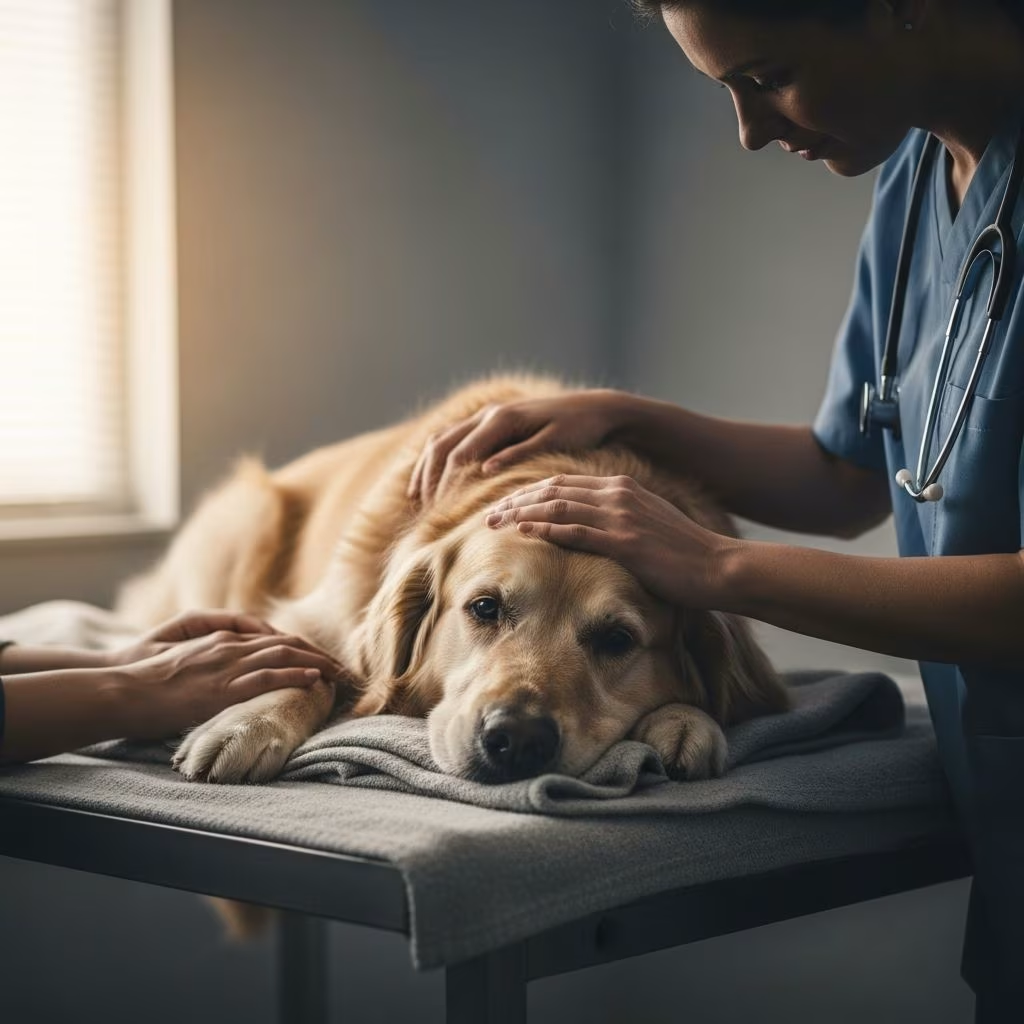
This guide provides pet owners with essential knowledge about euthanasia, a compassionate choice to end suffering when quality of life declines. Drawing from veterinary best practices, it covers decision-making, procedural details, location options, and emotional recovery.
Recognizing When Euthanasia Becomes Necessary
Deciding on euthanasia involves assessing your pet’s overall well-being. Veterinary professionals emphasize evaluating physical health, behavior, and daily joy. Key indicators include chronic pain unresponsive to treatment, inability to eat or drink comfortably, loss of mobility, and persistent distress signals like whining or hiding.
- Physical decline: Uncontrolled seizures, severe arthritis limiting movement, or organ failure causing constant discomfort.
- Behavioral shifts: Withdrawal from play, family interactions, or favorite activities; prolonged lethargy or aggression due to pain.
- Appetite and hygiene: Refusal of food, weight loss, or inability to groom, leading to infections or weakness.
Use quality-of-life scales, often recommended by vets, which score factors like hunger, hygiene, happiness, mobility, and more on a 0-10 scale. A total below 35 may signal it’s time. Discuss openly with your veterinarian to confirm if treatments are exhausted.
Quality of Life Assessment Tools
Structured tools help objectify the decision. The HHHHHMM scale (Hurt, Hunger, Hydration, Hygiene, Happiness, Mobility, More good days than bad) is widely used. Track daily scores over a week for patterns.
| Category | Description | Scoring (0-10) |
|---|---|---|
| Hurt | Is your pet experiencing pain? | 10 = No pain; 0 = Severe pain |
| Hunger | Does your pet eat enthusiastically? | 10 = Excellent appetite; 0 = Refuses food |
| Hydration | Can your pet drink adequately? | 10 = Drinks well; 0 = Dehydrated |
| Hygiene | Can your pet stay clean? | 10 = Self-grooms; 0 = Soiled |
| Happiness | Does your pet show joy? | 10 = Playful; 0 = Depressed |
| Mobility | Can your pet move comfortably? | 10 = Agile; 0 = Immobile |
| More Good Days | Positive days outweigh bad? | 10 = Mostly good; 0 = All bad |
Scores totaling under 35 often indicate euthanasia consideration. These tools, endorsed by organizations like the American Veterinary Medical Association (AVMA), reduce emotional bias.
Understanding the Euthanasia Process Step by Step
The procedure is designed for maximal comfort, using FDA-approved solutions like sodium pentobarbital, a barbiturate that induces rapid unconsciousness followed by cardiac arrest without pain.
Initial Sedation Phase
Vets typically start with sedation via intramuscular or subcutaneous injection, akin to a vaccine poke. This “sleep cocktail”—combining analgesics and sedatives—relaxes your pet within 10-15 minutes, often allowing treats for distraction. Depth is checked by toe pinching; no response confirms readiness.
Vein Preparation and Access
A leg (rear preferred for comforting holds) is clipped and cleaned. An IV cannula may be placed for secure delivery, especially if veins are tricky due to age or illness. Sedation minimizes stress from clippers or tape. For cats, alternative sites like kidney or liver may be used under deep anesthesia.
Administering the Euthanasia Solution
The colorful solution (pink, yellow, blue) is injected steadily. It anesthetizes the brain first, stopping heart and lungs painlessly in seconds to a minute. Owners often note the speed surprises them.
Verification of Passing
Vets confirm with stethoscope for heartbeat cessation, plus checks for blink reflex or toe response. Post-procedure, muscle twitches, gasps, or release of fluids are normal reflexes, not signs of pain.
Comparing Clinic vs. At-Home Euthanasia
Choices impact comfort levels for pets and owners.
| Aspect | Clinic Euthanasia | At-Home Euthanasia |
|---|---|---|
| Environment | Familiar vet setting; potential stress from smells/sounds | Comfort of home; reduced anxiety |
| Cost | $100-300 typically | $300-600, including travel |
| Privacy | Private rooms available | Intimate family setting |
| Aftercare | On-site cremation/burial options | Service coordinates transport |
At-home services like Lap of Love prioritize peace, with sedation taking 5-15 minutes before the final step under a minute. Clinics suit those needing diagnostics first.
Personalizing Your Pet’s Final Moments
Bring blankets, toys, or family members. Play music, offer last meals (even chocolate for sedation distraction), or read aloud. Request sedation first for cuddling time. Some opt for paw prints, fur clippings, or photos. Communicate wishes clearly—vets accommodate when possible.
- Hold your pet during injections if desired.
- Choose rainbow bridge readings or silence.
- Stay post-procedure for goodbyes; no rush.
What Happens After Euthanasia
Bodies are handled respectfully. Options include:
- Communal cremation: Lowest cost; ashes not returned.
- Private cremation: Ashes in urn; $100-250 extra.
- Burial: Home (check laws) or pet cemetery.
Plan ahead; services often arrange transport. Cold storage preserves dignity if delayed.
Navigating Grief and Bereavement
Pet loss grief mirrors human death, with stages like denial, anger, bargaining, depression, acceptance. Allow 30-90 days for initial processing. Symptoms include appetite loss, insomnia, or searching behaviors.
Support strategies:
- Join groups like Association for Pet Loss and Bereavement.
- Memorialize with gardens, jewelry, or donations.
- Therapy or vet-recommended books on pet grief.
Anticipatory grief—mourning before—eases transition. Share stories; normalize tears.
Frequently Asked Questions (FAQs)
Is euthanasia painful for my pet?
No. Sedation ensures deep sleep; the solution acts as overdose anesthesia, painless and rapid.
Can I be present during the procedure?
Yes, most vets encourage it for comfort. It’s your choice.
What if my pet’s veins are hard to access?
Sedation aids; alternatives like intrahepatic for cats exist. Vets are trained.
How do I know if it’s the right time?
Use QoL scales and vet consultations. Trust when suffering outweighs joy.
Will my other pets grieve?
Possibly; allow scents, supervised introductions to remains if appropriate.
Financial and Practical Preparations
Costs vary: $200 average clinic, higher at-home. Pet insurance may cover diagnostics, not euthanasia. Prepay services; discuss payment plans. Prepare by noting allergies, meds, and wishes in advance.
References
- The euthanasia procedure – Compassion Understood — Compassion Understood. Accessed 2026. https://www.compassionunderstood.com/page/the-euthanasia-procedure
- What to Expect at an In-Home Euthanasia Appointment — Caring Pathways. Accessed 2026. https://caringpathways.com/blog/pet-euthanasia-what-to-expect/
- Euthanasia: What to Expect and What Questions to Ask First — Cornell University College of Veterinary Medicine. Accessed 2026. https://www.vet.cornell.edu/departments-centers-and-institutes/cornell-feline-health-center/health-information/feline-health-topics/euthanasia-what-expect-and-what-questions-ask-first
- Pet Euthanasia: Everything You Need to Know — PetMD. Accessed 2026. https://www.petmd.com/care/pet-euthanasia
- Saying Goodbye: A Guide to Pet Euthanasia and Grief — MedVet. Accessed 2026. https://www.medvet.com/euthanasia-in-pets/
- Euthanasia Process — American Association of Feline Practitioners. Accessed 2026. https://catvets.com/resource/end-of-life-toolkit-euthanasia-process/



