

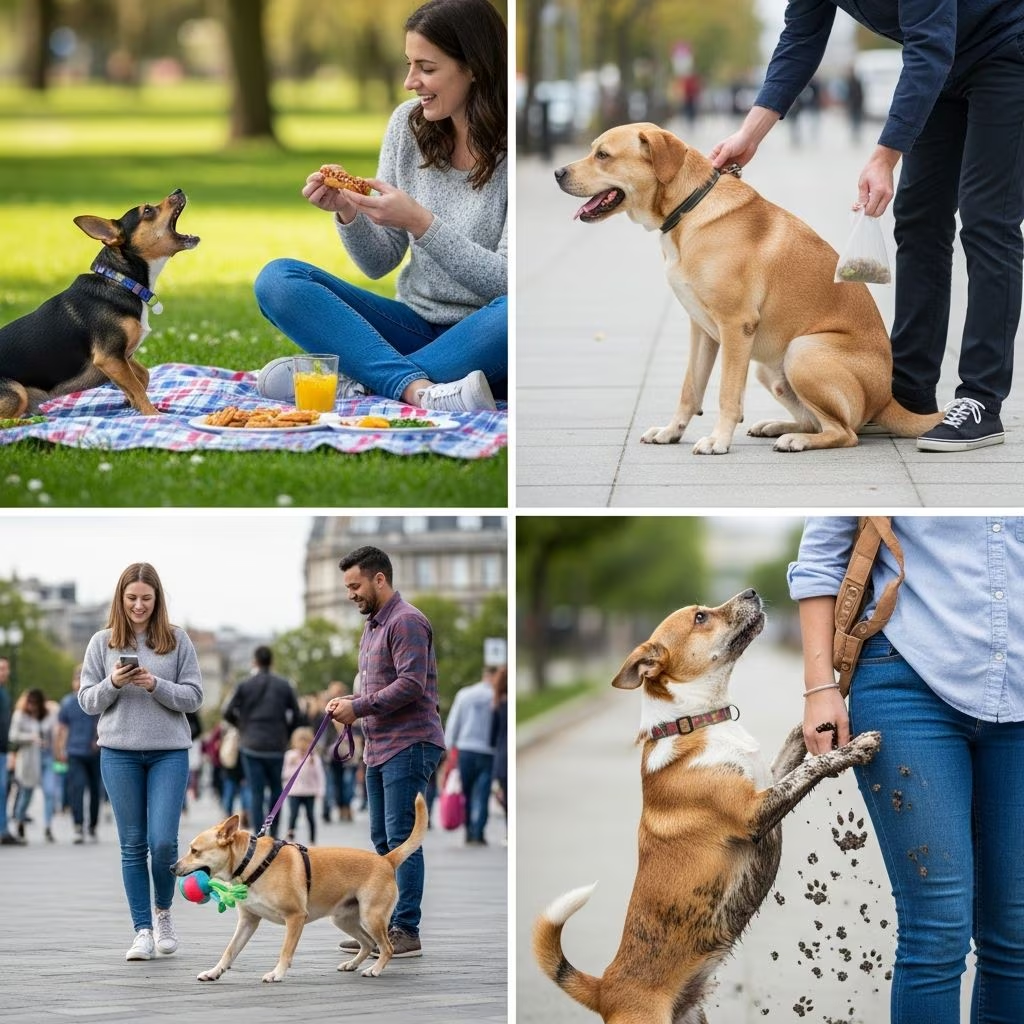
8 Pet Etiquette Mistakes You’re Probably Making
As a dog owner, you want your furry companion to be well-behaved, confident, and comfortable in various social situations. However, many pet owners unknowingly make critical mistakes during the training and socialization process that can undermine their efforts. These petiquette faux pas can lead to behavioral issues, anxiety, and poor social skills in dogs. Understanding and correcting these common mistakes is essential for raising a well-mannered, well-adjusted canine companion.
Understanding Pet Etiquette and Socialization
Pet etiquette refers to the set of social rules and behaviors that allow dogs to interact appropriately with people, other animals, and their environment. Proper socialization is crucial for developing these social skills early in a dog’s life. The prime learning period for socialization occurs between 6 and 16 weeks of age, during which puppies should be exposed to a variety of people, environments, sights, sounds, and textures in controlled, positive ways. Dogs that don’t receive adequate socialization during this critical window may struggle with fear, anxiety, and inappropriate behaviors throughout their lives.
Mistake #1: Not Starting Socialization Early Enough
One of the most significant petiquette mistakes is delaying socialization. Many owners wait until their puppies have completed all vaccinations before introducing them to the world, but this delay can be detrimental. Starting training as soon as you bring your new dog home—whether a puppy or an adult—helps establish good habits and makes training more straightforward in the long run. Early exposure to various people, dogs, and environments reduces future fear and aggression and creates the foundation for a confident, well-adjusted adult dog. Missing the critical socialization window can result in a dog that struggles with social anxiety and behavioral issues for years to come.
Mistake #2: Forcing Fearful Dogs Into Social Situations
Well-meaning owners often push their anxious or fearful dogs into uncomfortable social situations, believing that exposure will help them overcome their fears. This approach is counterproductive and can actually worsen anxiety. Socialization should involve controlled, positive experiences where dogs feel safe and in control. If your dog shows signs of fear or stress during socialization, remove them from that situation and try again later in a calmer environment. Dogs should be enjoying socialization, not enduring it. Forcing them into stressful situations creates negative associations and can lead to increased aggression or withdrawal.
Mistake #3: Inconsistent Use of Commands and Cues
Another major petiquette mistake involves delivering commands inconsistently. Using different words, tones, or body language for the same behavior confuses your dog and slows the training process. For example, if “down” means “lie down,” it cannot also mean “get down from the couch.” Dogs learn a new language best when each behavior has a single, unique cue delivered in a calm but confident tone. Consistency is absolutely key to successful training. All family members and anyone regularly interacting with the dog should use the same commands and reward systems to prevent confusion and ensure the dog’s understanding is reinforced across all situations.
Mistake #4: Failing to Set Clear Boundaries and Rules
Dogs thrive with structure and clear expectations. Many owners fail to establish and maintain consistent boundaries, leaving their dogs confused about what behaviors are acceptable. Without clear boundaries and rules, dogs may become confused or anxious, making training more difficult. From the moment your dog enters your home, it’s essential to define what is and isn’t allowed. This includes rules about furniture access, jumping on people, begging at the table, and interactions with children or other pets. Once established, these boundaries must be enforced consistently by everyone in the household.
Mistake #5: Ignoring the Importance of Positive Reinforcement
Some owners rely on punishment-based training methods rather than positive reinforcement. Positive reinforcement is a training method that rewards desired behavior with treats, toys, petting, or other things your dog likes. This approach is far more effective than punishment because it teaches your dog what you want them to do rather than just what you don’t want them to do. Rewarding desired behavior within seconds of it occurring strengthens the connection between the action and the reward. Dogs are much more motivated to repeat behaviors that result in positive consequences, making positive reinforcement the most scientifically-supported training method available.
Mistake #6: Only Practicing Recall During Negative Situations
Many dog owners hinder recall training by only calling their dogs when something fun is about to end—like calling them in from playtime or using the recall command before a bath. This creates a negative association with their name and the recall command, making them reluctant to respond. Instead, practice recall frequently throughout the day using a happy tone and offering treats as pleasant surprises. Call your dog to you during positive moments, praising enthusiastically when they arrive. This positive association ensures your dog remains eager to respond to your calls in real-world situations, including emergencies.
Mistake #7: Using Punishment for Unwanted Behaviors
A critical petiquette mistake is using attention—even negative attention—as a consequence for unwanted behavior. Saying “no!” or other forms of negative attention are still seen by the dog as rewarding because they constitute attention. The most effective way to eliminate unwanted behavior is to ignore it completely. Instead of punishing or drawing attention to misbehavior, proactively teach and reward the behavior you want to see. For example, if your dog jumps on visitors, ignore the jumping and immediately ask for a “sit,” rewarding that desired behavior instead. This approach is far more effective than scolding or pushing the dog away.
Mistake #8: Neglecting Ongoing Socialization and Practice
Many owners believe that socialization is something that happens only during puppyhood or only during formal training classes. In reality, dogs only remain social when continually exposed to unfamiliar people and environments. Ongoing socialization throughout your dog’s life is essential for maintaining their social skills and confidence. Additionally, all dogs benefit from learning and practicing basic cues daily. Training and socialization should be continuous, enjoyable activities integrated into your dog’s routine rather than occasional events. Without consistent practice and exposure, even well-trained dogs can lose their skills or develop behavioral issues.
Essential Socialization Guidelines
Proper socialization goes beyond simply exposing your dog to new experiences. It requires careful planning and positive reinforcement to ensure each encounter builds confidence rather than fear. Here are key principles for effective socialization:
The Socialization Window
The critical period for socialization is between 6 and 16 weeks of age. During this time, expose your dog to friends, neighbors, other family pets, and various environments, sights, sounds, and textures. Experiences during this window have a profound impact on your dog’s social development throughout their entire life.
Controlled Positive Experiences
Every socialization experience should be positive and controlled. Arrange interactions with known dog-friendly dogs, friendly people, and safe environments. Avoid situations where your dog might have a negative experience, as a single frightening encounter can create lasting fears.
Building Confidence
Socialization should help your dog develop confidence and trust. Gradually introduce new experiences, starting with less challenging situations and building to more complex ones. Always allow your dog to set the pace and retreat if needed.
Training Best Practices for Better Behavior
Successful training requires more than avoiding mistakes; it involves implementing proven positive strategies. Keep training sessions short and fun—between 5 and 10 minutes to maintain your dog’s interest. Use high-value rewards that truly motivate your dog, whether treats, toys, or enthusiastic praise. Consistency across all family members and situations ensures your dog understands expectations regardless of context.
Always finish training sessions on a high note to keep your dog eager for the next session. Introduce distractions gradually, ensuring obedience in real-world situations, not just during training exercises. With patience, consistency, and positive reinforcement, you’ll develop a well-mannered companion that’s a joy to be around.
Common Petiquette Mistakes: Quick Reference
| Mistake | Why It’s Problematic | The Solution |
|---|---|---|
| Delaying Socialization | Misses the critical learning window (6-16 weeks) | Start socialization early with controlled positive experiences |
| Forcing Fearful Dogs | Worsens anxiety and creates negative associations | Remove dogs from stressful situations and try again later |
| Inconsistent Commands | Confuses dogs and slows training progress | Use single, unique cues with consistent tone and body language |
| No Clear Boundaries | Creates confusion and anxiety in dogs | Establish and consistently enforce household rules |
| Ignoring Positive Reinforcement | Punishment-based methods are less effective | Reward desired behaviors immediately with treats or praise |
| Negative Recall Associations | Dogs become reluctant to respond | Practice recall during positive moments with happy tone |
| Punishing Unwanted Behavior | Negative attention still rewards the behavior | Ignore unwanted behavior and reward desired alternatives |
| Skipping Ongoing Socialization | Dogs lose social skills without continued exposure | Continue socialization and training throughout dog’s life |
Frequently Asked Questions About Pet Etiquette
Q: What is the best age to start training my dog?
A: Start training as soon as you bring your new dog home, whether a puppy or adult. Early training helps establish good habits and makes the process more straightforward. The critical socialization period occurs between 6 and 16 weeks of age, so early exposure during this window is particularly important.
Q: Can adult dogs be socialized?
A: Yes, adult dogs can be socialized, though it may take longer than with puppies. Adult dogs benefit from continued exposure to new people, environments, and experiences throughout their lives. Dogs only remain social when continually exposed to unfamiliar people and situations.
Q: How long should each training session be?
A: Keep training sessions short—between 5 and 10 minutes—to maintain your dog’s interest and prevent burnout. Short sessions are more effective than lengthy ones because dogs have limited attention spans, especially puppies.
Q: What if my dog shows fear during socialization?
A: Remove your dog from the situation immediately and try again later in a calmer environment. Dogs should be enjoying socialization, not enduring it. Never force a fearful dog into uncomfortable situations, as this can worsen anxiety and create lasting negative associations.
Q: Why isn’t my dog responding to the recall command?
A: Your dog may have negative associations with recall if you only call them when something fun is ending. Practice recall frequently during positive moments using a happy tone and offering treats. This creates positive associations and ensures your dog remains eager to respond.
Q: How can I stop my dog from jumping on guests?
A: Rather than punishing jumping, ignore the behavior completely and instead ask for a “sit” and reward that desired behavior. Giving attention—even negative attention—to jumping reinforces it. Teaching and rewarding the behavior you want to see is far more effective than addressing the behavior you don’t want.
Q: Should I use the same commands for all behaviors?
A: No, each behavior should have a single, unique cue. For example, “down” should consistently mean “lie down” and not also mean “get down from the couch.” This clarity helps your dog learn more effectively and prevents confusion.
Q: What are the best rewards for dog training?
A: The best rewards are those your dog finds most rewarding, which may include treats, toys, petting, or enthusiastic praise. Vary rewards to keep your dog engaged and motivated. High-value rewards—items your dog loves most—are particularly effective for reinforcing important behaviors.
Building a Well-Mannered, Well-Socialized Companion
Raising a well-behaved, socially confident dog requires awareness of common petiquette mistakes and commitment to positive training methods. By understanding the importance of early socialization, maintaining consistency in commands and boundaries, using positive reinforcement, and continuing socialization throughout your dog’s life, you’ll develop a companion that’s enjoyable to be around in all situations. Remember that training and socialization are ongoing processes, not one-time events. Daily interaction in the form of training, play, socialization, and downtime are important for fostering a well-mannered and well-behaved dog. With patience, consistency, and the right approach, you can help your dog become the best version of themselves.
References
- Mastering Obedience: Top Training Methods for Dogs Explained — Mannered Mutt. 2024. https://manneredmutt.com/mastering-obedience-top-training-methods-for-dogs-explained/
- 5 Tips for Successful Dog Training — Virginia Tech College of Veterinary Medicine. 2023. https://vetmed.vt.edu/news/2023/dog-training-tips.html
- Well-Behaved Dog: Training, Play, Socialization — Best Friends Animal Society. https://bestfriends.org/pet-care-resources/well-behaved-dog-training-play-socialization
- Dog Training Tips for Success From Expert Dog Trainers — American Kennel Club. https://www.akc.org/expert-advice/training/expert-tips-for-dog-training/
- How to Prepare Your Dog for Obedience Training Classes — Pet Palace Resort. https://www.petpalaceresort.com/how-to-prepare-your-dog-for-obedience-training-classes/
- Socializing your dog — Animal Humane Society. https://www.animalhumanesociety.org/resource/socializing-your-dog



