

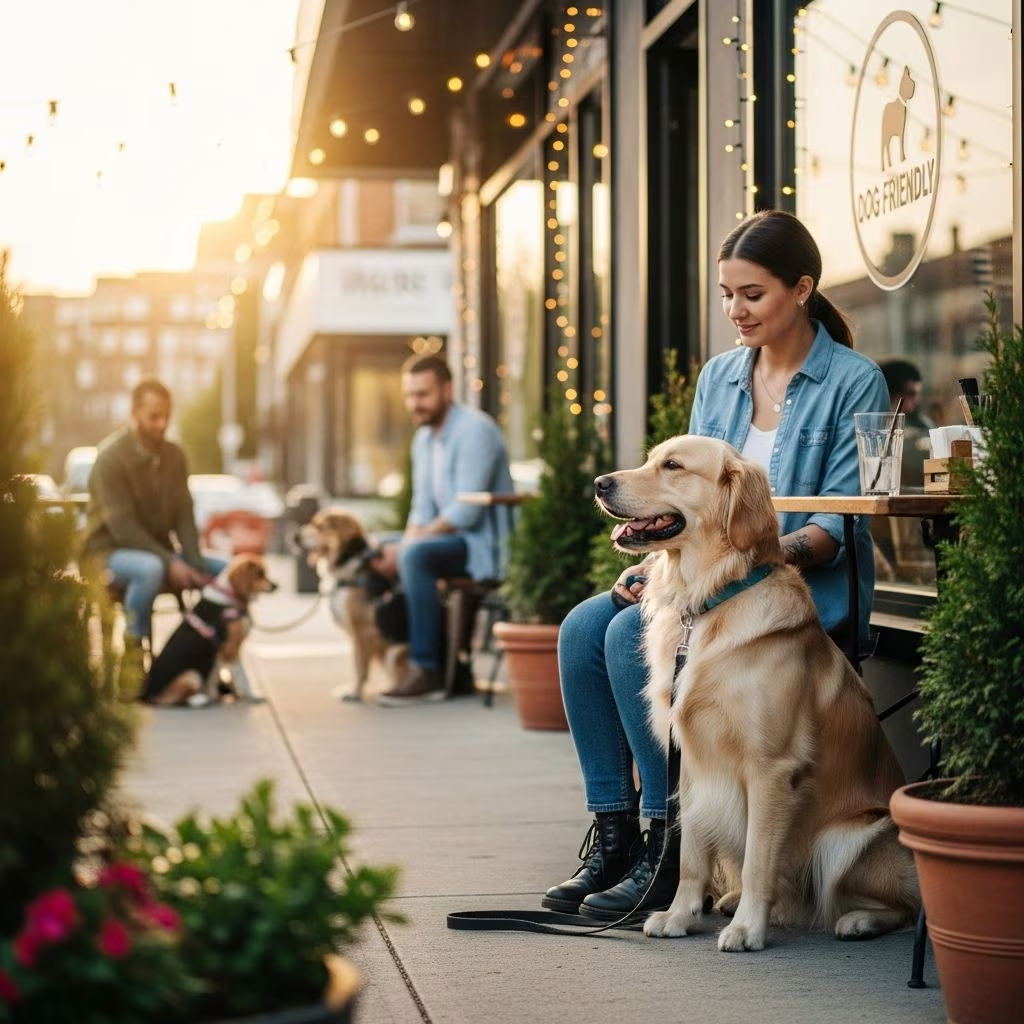
Pet Etiquette for Dog-Friendly Places
Today’s pet parents consider their dogs cherished family members, and fortunately, many businesses and public spaces now recognize this bond by becoming dog-friendly destinations. From trendy retailers to outdoor dining venues, the number of places where you can bring your furry companion has expanded significantly. However, with this opportunity comes the responsibility to ensure your dog behaves appropriately and doesn’t negatively impact other patrons or staff members.
Pet etiquette is not just about following rules—it’s about respecting shared spaces and demonstrating that dogs are welcome, well-mannered companions. When dog owners prioritize proper etiquette, they help maintain the reputation of dog-friendly establishments and ensure these venues remain welcoming to all pets and their families. Whether you’re planning to visit a dog park, shop at a pet-friendly boutique, dine at an outdoor restaurant, or explore a new destination with your pup, understanding and practicing proper pet etiquette is essential for a positive experience.
Understanding Dog-Friendly Venues
The landscape of dog-friendly places has transformed dramatically over the past decade. Many retailers, hotels, restaurants, and public spaces now actively welcome dogs, recognizing the emotional and psychological benefits pets bring to their owners. Before taking your dog anywhere, it’s crucial to understand what “dog-friendly” means at each specific location, as policies vary widely. Some establishments may allow dogs only in outdoor areas, while others provide water bowls, treats, and specially designated pet spaces. Always contact the venue ahead of time to confirm their pet policy and any specific requirements or restrictions they may have.
Popular Dog-Friendly Destinations
Understanding where you can take your dog is the first step toward practicing good pet etiquette. Here are some common dog-friendly venues:
Dog Parks and Beaches
Dog parks and dog-friendly beaches offer exceptional opportunities for your canine companion to exercise, socialize with other dogs, and enjoy off-leash freedom. These spaces serve as social hubs where dog parents can meet other pet owners while their dogs play and interact. Dog parks typically provide open spaces for running, fetching, and free play, making them ideal for high-energy dogs that need vigorous exercise. Many dog-friendly beaches also allow leash-free roaming during specific hours, usually early morning or evening when crowds are minimal. These venues benefit both dogs and their owners by providing safe, designated spaces for socialization and physical activity.
Pet-Friendly Retailers
Many boutiques, home improvement stores, and specialty retailers now welcome well-behaved dogs on their premises. Shopping with your pup can transform routine errands into bonding experiences. Some retailers even offer special pet events where dogs receive extra welcomes and promotions. When shopping with your dog, keep her close and maintain control with a properly fitted collar and leash. If your dog begins to display disruptive behavior or becomes distracted, refocus her attention with treats and positive reinforcement. Pet-friendly retailers appreciate customers whose dogs are calm, obedient, and non-threatening to other shoppers.
Dog-Friendly Restaurants
The dining scene has become increasingly accommodating to dog owners, with many restaurants and bars now offering outdoor patios where dogs are welcome. Restaurant policies regarding dogs vary considerably. Some establishments only permit dogs in outdoor seating areas, while others go above and beyond by providing special pet menus, water bowls, and even treats. Before visiting a restaurant with your dog, research their specific policy online or call ahead to confirm their current regulations. Consider whether your dog is comfortable in busy, social environments with multiple distractions before bringing her to a bustling restaurant.
Essential Rules for Dog-Friendly Etiquette
Proper pet etiquette revolves around several core principles that ensure your dog remains a welcome guest in public spaces. By adhering to these fundamental rules, you demonstrate respect for other patrons, staff members, and the establishments that graciously accommodate pets.
Health and Vaccination Requirements
Before taking your dog to any public place, ensure she is in optimal health and fully vaccinated. Keep up-to-date medical and vaccination records readily accessible, as some venues may request proof of vaccines before allowing your dog entry. Regular veterinary check-ups ensure your dog is healthy and free from contagious diseases. This is not only a matter of etiquette but also a legal requirement in many jurisdictions. Maintaining current vaccines demonstrates your commitment to protecting other animals and people in shared spaces.
Leash Control
Keeping your dog on a leash in appropriate locations is one of the most fundamental rules of pet etiquette. Even well-trained dogs can become startled or distracted in unfamiliar environments, and a leash provides essential safety and control. When at retailers or restaurants, use a properly fitted collar or harness with a reliable leash, preferably no longer than four to six feet. A martingale collar helps prevent escape while remaining comfortable for your dog. Never leave your dog unattended while leashed, and avoid tying her leash to tables or other objects that could topple over. Secure your leash to your chair instead, preventing accidents and ensuring your dog remains safely beside you.
Waste Management
Perhaps the most visible aspect of pet etiquette is proper waste cleanup. Always carry waste bags when visiting public spaces with your dog, and immediately pick up after her, disposing of waste in designated receptacles. This basic responsibility is non-negotiable and directly impacts other people’s enjoyment of shared spaces. Failing to clean up after your dog not only shows disrespect but also reflects poorly on the entire pet-owning community and undermines businesses’ willingness to remain pet-friendly.
Polite Greetings and Socialization
Teaching your dog to greet people politely is essential for maintaining good etiquette in public spaces. Your dog should understand that not everyone wants to pet her, and some people may be fearful or allergic. Train your dog to sit calmly when approached and to wait for permission before jumping on or greeting strangers. If someone asks to pet your dog, you have the right to decline politely, especially if your dog is anxious, reactive, or unwell. Similarly, keep your dog away from other dogs and people if she displays aggressive or excessively exuberant behavior. Remember that you’re responsible for your dog’s actions and their impact on others.
Proper Leash Walking
Leash walking etiquette involves maintaining a calm, controlled pace and preventing your dog from pulling, jumping, or lunging at other people or animals. Practice loose-leash walking at home before visiting crowded public spaces. Your dog should walk beside you without excessive pulling or yanking. Use positive reinforcement to reward calm walking behavior, and redirect her attention if she becomes distracted. A well-mannered dog who walks nicely on leash is a welcome dog in most public settings.
Training and Preparation Before Public Outings
Proper preparation is crucial for successful public outings with your dog. Before introducing your pup to new dog-friendly venues, ensure she has mastered essential commands and is comfortable in various environments.
Basic Commands Mastery
Before taking your dog to public spaces, she should reliably understand and obey basic commands including sit, stay, leave it, down, and come. These commands provide essential safety and control in unpredictable situations. Practice these commands regularly at home and at dog parks to simulate real-world scenarios. A dog who responds consistently to commands is far less likely to cause problems in public settings and will be perceived as well-behaved and trustworthy.
Socialization and Desensitization
Gradually expose your dog to various environments, sounds, crowds, and stimuli to build confidence and reduce anxiety. If your dog is particularly fearful or reactive in busy environments, consider consulting with a professional dog trainer who specializes in behavior modification. Desensitization exercises help your dog become comfortable with new experiences, making public outings less stressful for both you and your pup. Start with quieter times and smaller crowds, gradually working up to busier venues as your dog becomes more confident.
Energy Management
A tired dog is typically a well-behaved dog. Before visiting public venues, especially restaurants or retail spaces, allow your dog adequate exercise time. Take her for a run, play fetch, or engage in vigorous play to burn excess energy. When dogs arrive at public spaces already satisfied from physical activity, they’re more likely to remain calm and less prone to barking, jumping, or other disruptive behaviors. This simple step significantly improves your dog’s ability to relax and behave appropriately in social settings.
Location-Specific Etiquette Guidelines
Dog Parks and Beaches
Dog parks and beaches present unique etiquette considerations since they’re specifically designed for off-leash play. Come prepared with waste bags, fresh water, and dog treats. Bring multiple waste bags to clean up after your dog and dispose of waste appropriately. Watch your dog closely at all times and intervene immediately if she displays aggressive behavior toward other dogs. Ensure your dog has excellent recall and responds reliably to your voice commands, since you may need to call her back quickly in emergencies. Keep dogs away from park gates and entrances to prevent escape. Be respectful of other dog owners and their space, and avoid monopolizing equipment or areas.
Pet-Friendly Retailers
When shopping with your dog at pet-friendly retailers, maintain short-leash control and keep her by your side at all times. Redirect her attention if she becomes distracted by other shoppers, products, or animals. Bring high-value treats to reward good behavior and reinforce positive associations with the retail environment. Be mindful that some customers may be uncomfortable around dogs, so maintain respectful distance and prevent your dog from approaching other shoppers without invitation. Keep your dog from jumping on merchandise or staff members, and ensure she doesn’t disrupt other customers’ shopping experiences.
Dog-Friendly Restaurants
Dining establishments require particular attention to etiquette since food, other diners, and restaurant staff are involved. Call ahead to confirm the restaurant’s pet policy and outdoor seating availability. Arrive during off-peak hours if possible to minimize disruptions. Request corner seating or areas away from main foot traffic to prevent obstruction. Keep your dog on leash at all times and secure the leash to your chair, not the table. Bring your dog’s favorite chew toys or treats to keep her occupied while you dine. Avoid tying your dog’s leash to the table, as this creates safety hazards and can result in spilled food or drinks. If your dog becomes anxious, barks excessively, or displays stress signals, be prepared to leave to prevent disturbing other diners and staff members.
What to Bring: Essential Items for Public Outings
| Item | Purpose | When Needed |
|---|---|---|
| Waste Bags | Clean up after your dog | All outdoor locations |
| Water and Bowl | Keep your dog hydrated | Parks, beaches, outdoor venues |
| Leash and Collar | Maintain control | All public spaces |
| Treats | Positive reinforcement | Training scenarios, all venues |
| Chew Toys | Keep dog occupied | Restaurants, retail shops |
| Vaccination Records | Proof of health compliance | Some venues require documentation |
| ID Tags | Identification if lost | All outings |
Common Etiquette Mistakes to Avoid
Not calling ahead: Always contact establishments before bringing your dog to confirm their current pet policies and any special requirements. Policies may change seasonally or due to management decisions.
Bringing an unwell dog: Never bring a sick or contagious dog to public spaces. This endangers other animals and violates basic health etiquette.
Allowing jumping and excessive barking: Jumping on people and excessive barking are primary complaints about dogs in public spaces. Train your dog to sit calmly when greeting people and teach quiet commands.
Neglecting waste cleanup: Failure to pick up after your dog is perhaps the most offensive etiquette violation and directly impacts the continuation of dog-friendly policies.
Forcing interactions: Allow other people to approach your dog at their own pace. Never force your dog on someone who appears uncomfortable or hesitant.
Frequently Asked Questions (FAQs)
Q: Can I bring my dog to any dog-friendly restaurant?
A: No. While many restaurants are dog-friendly, their specific policies vary. Most only allow dogs in outdoor seating areas, and some have breed or size restrictions. Always call ahead to confirm their exact policy before arriving.
Q: What should I do if my dog becomes anxious at a dog park?
A: If your dog displays signs of anxiety at a dog park, remove her calmly and find a quieter location. Consider consulting a professional dog trainer about desensitization techniques, or explore less crowded dog parks or off-peak hours.
Q: Is it acceptable to leave my dog unattended while leashed at a restaurant?
A: No. You must maintain visual contact with your dog at all times. Never leave her unattended, even if leashed, as she could become stressed, aggressive, or escape.
Q: What if someone wants to pet my dog and she’s not comfortable?
A: You have the right to politely decline. Say something like, “She’s not comfortable with strangers today” or “I appreciate the offer, but she’s still working on her greeting skills.” This protects your dog and shows respect for her boundaries.
Q: How can I help my dog stay calm during restaurant visits?
A: Exercise your dog thoroughly before visiting the restaurant, bring her favorite chew toys or treats, and choose less crowded dining times. Position yourself at a corner table away from main foot traffic to minimize stimulation.
Q: What vaccines does my dog need before visiting public spaces?
A: Most public spaces require proof of current rabies vaccination and generally recommend DHPP (distemper and parvovirus) vaccines. Consult your veterinarian about your dog’s specific vaccination needs based on your location and planned activities.
Q: Are there any dog breeds that are prohibited from dog-friendly places?
A: Some establishments may have breed restrictions or size limits due to liability concerns or insurance requirements. Contact the venue directly to inquire about any specific breed or size restrictions.
Q: How do I teach my dog to walk nicely on leash?
A: Practice loose-leash walking in low-distraction environments first. Reward your dog with treats and praise when she walks beside you without pulling. Use positive reinforcement consistently, and consider working with a professional trainer if your dog has established pulling habits.
References
- Pet Etiquette for Dog-Friendly Places — Chewy Education, Michelle McKinley. Accessed 2025-11-28. https://www.chewy.com/education/dog/training-and-behavior/pet-etiquette-for-dog-friendly-places
- Dog-Friendly Restaurant Etiquette — Chewy Education. Accessed 2025-11-28. https://www.chewy.com/education/dog/training-and-behavior/dog-friendly-restaurant-etiquette
- 6 Dog Park Etiquette Tips for a Safe and Fun Time — Chewy Education. Accessed 2025-11-28. https://www.chewy.com/education/dog/pet-parenting/dog-park-etiquette
- Petiquette Guide: Pet Etiquette for Dog and Cat Parents — Chewy Education. Accessed 2025-11-28. https://www.chewy.com/education/cat/training-and-behavior/petiquette-guide-pet-etiquette-for-dog-and-cat-parents
- 8 Petiquette Faux Pas You’re Probably Making — Chewy Education. Accessed 2025-11-28. https://www.chewy.com/education/dog/training-and-behavior/training-pet-socialization-8-petiquette-faux-pas-youre-probably-making



