
Understanding Your Pet’s Essential Requirements
Complete guide to meeting your pet's physical, emotional, and social needs
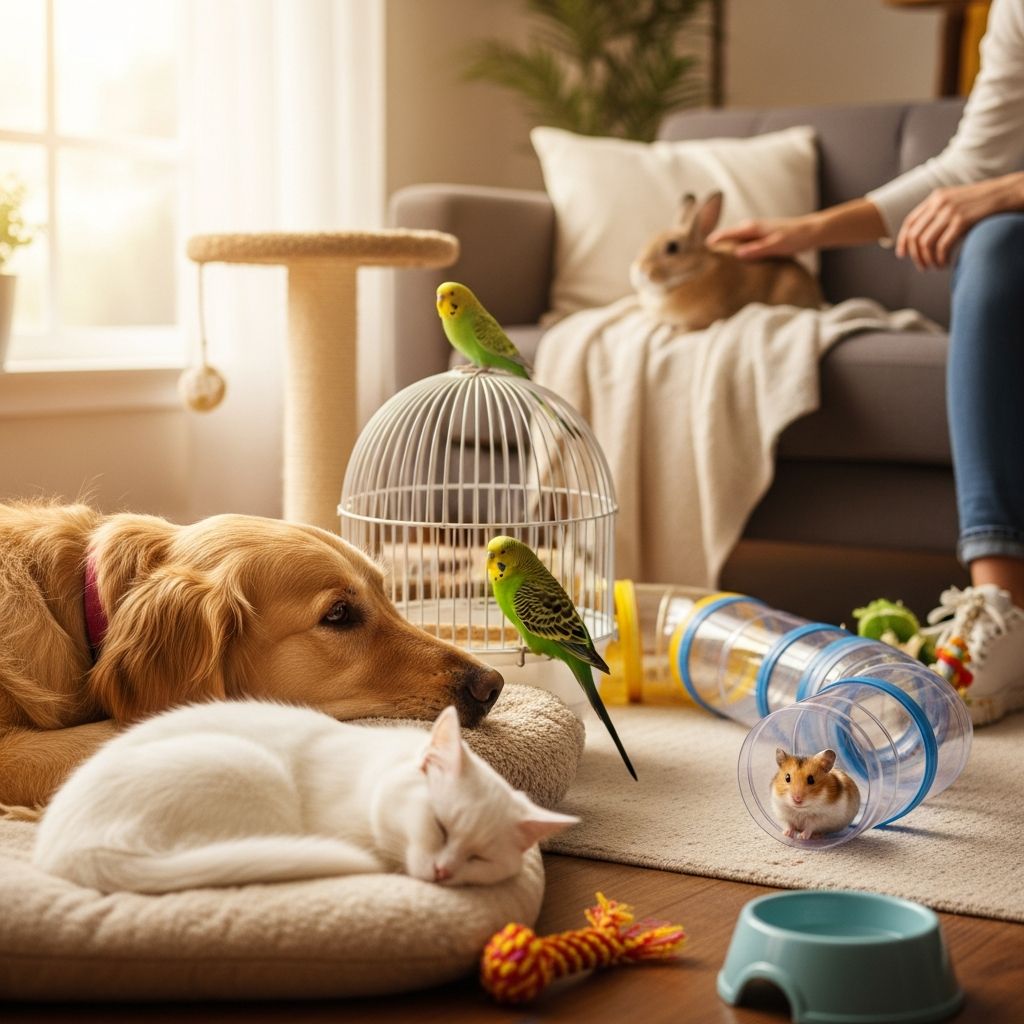
Pet ownership represents a significant commitment that extends far beyond providing food and shelter. When you welcome an animal into your home, you assume responsibility for their complete well-being across multiple dimensions of their life. Understanding what your pets genuinely need—not merely what they want—forms the foundation of conscientious animal care. This comprehensive exploration examines the diverse requirements that pets depend on their owners to fulfill, ensuring they can lead fulfilling, healthy, and contented lives.
The Foundation: Nutrition and Hydration
Proper nutrition represents one of the most critical pillars of responsible pet ownership. A well-balanced diet directly influences your pet’s physical health, cognitive function, energy levels, and longevity. Unlike humans who can adapt to various dietary patterns, pets require specific nutritional compositions tailored to their species, age, size, and activity level.
The nutritional needs of your pet should form the basis of a discussion with your veterinarian before establishing feeding routines. Different life stages demand different nutritional profiles—puppies and kittens require higher caloric density and specific nutrients for growth, while senior pets may need adjusted portions and specialized formulations to address aging-related concerns. Your veterinarian can recommend appropriate food choices that deliver essential amino acids, vitamins, minerals, and other nutrients in the correct proportions.
Beyond selecting quality food, establishing consistent feeding schedules helps regulate your pet’s digestive system and creates predictable routines that reduce anxiety. Fresh, clean water must be continuously available throughout the day, regardless of season or weather conditions. Many pet owners underestimate the importance of hydration, yet adequate water intake supports kidney function, temperature regulation, and overall metabolic health.
Healthcare: Preventive Care and Medical Management
Preventive healthcare forms the cornerstone of maintaining your pet’s long-term health and detecting potential issues before they escalate into serious conditions. Establishing a relationship with a qualified veterinarian early in your pet’s life creates a partnership that extends throughout their entire lifespan. Regular wellness examinations allow your veterinarian to monitor your pet’s physical development, identify early warning signs of disease, and provide personalized health recommendations.
Vaccinations and Disease Prevention
Vaccinations represent one of the most effective preventive health measures available to pet owners. Your veterinarian will recommend a vaccination schedule appropriate to your pet’s species, age, and local disease risks. Maintaining current vaccination records protects not only your individual pet but also contributes to community health by preventing disease transmission to other animals.
Beyond vaccinations, parasite control addresses another critical health concern. Depending on your geographic location, pets may face exposure to heartworms, intestinal parasites, fleas, and ticks. These parasites can cause serious health complications, discomfort, and in severe cases, life-threatening conditions. Your veterinarian can recommend appropriate prevention strategies tailored to your specific environment and your pet’s lifestyle.
Dental Health and Preventive Maintenance
Dental care often receives insufficient attention despite its significant impact on overall health. Regular teeth cleaning prevents accumulation of plaque and tartar that can lead to periodontal disease, tooth loss, and systemic infections. Establishing dental hygiene practices early—such as regular brushing, providing dental chews, or professional cleanings—helps maintain oral health throughout your pet’s life.
Physical Environment: Comfort and Safety
Your pet’s living environment profoundly influences their physical comfort, psychological well-being, and safety. Responsible ownership requires providing appropriate shelter, whether that means a climate-controlled home for indoor pets or secure outdoor spaces for those who spend time outside.
Climate Control and Comfort
Temperature regulation represents a fundamental environmental need. During summer months, excessive heat poses serious risks including heatstroke, dehydration, and respiratory distress. Pets require access to shaded areas, cool surfaces, and adequate water. Winter conditions present different challenges, requiring insulated bedding, protection from freezing temperatures, and prevention of ice-related injuries.
Comfortable bedding, appropriate resting spaces, and areas where your pet can retreat and feel secure contribute to emotional well-being. Some pets prefer enclosed spaces that provide a sense of den-like safety, while others enjoy elevated perches or open resting areas. Understanding your individual pet’s preferences allows you to create an environment that reduces stress and promotes relaxation.
Safety and Hazard Prevention
Before bringing a pet home, thorough pet-proofing eliminates preventable dangers. This includes securing or removing toxic substances such as certain plants, chemicals, medications, and foods that are poisonous to animals. Small objects that present choking hazards, electrical cords that could cause electrocution, and unsecured areas where pets could escape require attention and modification.
Identification systems protect your pet in case they become lost. Microchips provide permanent identification that cannot be removed or lost, while collar tags offer immediate contact information to anyone who finds your pet. Ensuring that registration information remains current increases the likelihood of reunion if your pet strays.
Exercise and Physical Activity
Different pets have varying exercise requirements based on their species, breed, age, and health status. Meeting these activity needs prevents obesity, maintains cardiovascular health, strengthens muscles and joints, and provides crucial outlets for natural behaviors.
Dogs require regular walks and play sessions that match their energy levels and physical capabilities. These outings provide not only physical exercise but also mental stimulation through environmental exploration, social interaction with other animals, and exposure to novel experiences. The frequency and duration of walks should align with your dog’s age, health status, and individual preferences.
Cats, often perceived as low-maintenance pets, require structured play opportunities that engage their hunting instincts. Interactive toys, climbing structures, and dedicated play sessions with their owners provide essential physical activity and mental enrichment. Indoor cats particularly benefit from environmental enrichment that encourages climbing, jumping, and strategic play.
Weight management through appropriate exercise and nutrition prevents obesity-related health complications including diabetes, joint problems, and reduced lifespan. Your veterinarian can help establish realistic exercise goals and discuss any limitations based on your pet’s health status.
Mental Enrichment and Cognitive Stimulation
Beyond physical exercise, pets require mental stimulation that challenges their cognitive abilities and prevents boredom-related behavioral problems. Environmental enrichment, puzzle toys, training activities, and novel experiences engage your pet’s mind and promote psychological well-being.
Training sessions provide dual benefits—they teach your pet appropriate behaviors while simultaneously offering cognitive engagement and strengthening the bond between owner and animal. Training need not be limited to basic obedience; many pets enjoy learning tricks, participating in games, and engaging in activities that require problem-solving.
Rotating toys, introducing new enrichment items periodically, and varying daily routines prevent habituation and maintain your pet’s interest in their environment. Some pets enjoy interactive feeders that require problem-solving to access food, while others prefer toys that dispense treats during play.
Socialization and Behavioral Development
Proper socialization during critical developmental periods significantly influences your pet’s ability to interact confidently with other animals, unfamiliar people, and novel environments. Early exposure to diverse experiences, gentle handling by various individuals, and controlled interactions with other animals help prevent fear-based behaviors and aggression.
Even adult pets benefit from continued social interaction and exposure to new experiences. Regular outings, introductions to different environments, and positive interactions with other animals and people maintain behavioral confidence and flexibility. Some pets may require professional training support to address specific behavioral concerns or anxiety-related issues.
Emotional Connection and Companionship
Pets are social animals that form attachments to their owners and thrive on interaction and affection. Regular quality time spent together—whether through play, training, grooming, or simply spending time in close proximity—strengthens emotional bonds and contributes to your pet’s psychological well-being.
Different pets express affection differently and have varying preferences for types of interaction. Some animals enjoy sustained petting and physical contact, while others prefer play-based interaction or simply proximity without constant touching. Observing and respecting your individual pet’s preferences demonstrates attentiveness to their emotional needs.
Grooming and Personal Hygiene
Regular grooming serves multiple purposes beyond aesthetic appeal. Grooming sessions allow for early detection of skin conditions, parasites, lumps, or other health concerns that might otherwise go unnoticed. The grooming process also helps maintain healthy skin and coat, prevents matting and discomfort, and supports overall hygiene.
Nail maintenance prevents overgrowth that can cause discomfort and affect your pet’s gait and posture. Ear cleaning reduces infection risk, particularly in breeds predisposed to ear problems. Dental care, as discussed previously, maintains oral health and prevents disease progression.
For many pets, professional grooming provides thorough cleaning and specialized care that goes beyond what owners can accomplish at home. Professional groomers possess training in handling techniques, product knowledge, and early identification of health concerns that may warrant veterinary attention.
Commitment and Long-Term Responsibility
Perhaps the most essential requirement pets have is their owners’ unwavering commitment to their care throughout their entire lifespan. Pet ownership represents a long-term responsibility that extends through various life stages, changing circumstances, and evolving needs. This commitment includes financial resources to cover food, veterinary care, emergency medical treatment, and quality-of-life provisions.
Life circumstances inevitably change—jobs change, families grow, living situations shift, and personal challenges arise. Responsible pet owners anticipate these changes and plan accordingly, ensuring their pets receive consistent care regardless of circumstances. This might involve establishing emergency funds for unexpected veterinary costs, arranging pet care during absences, or making difficult end-of-life decisions when appropriate.
Understanding Individual Variations
While this discussion establishes general requirements applicable to most pets, individual animals have unique needs based on their species, breed, age, and health status. A young, active dog requires different exercise levels than a senior dog with arthritis. A cat with a urinary condition requires specific dietary management. A pet with behavioral anxiety may need specialized training or environmental modifications.
Responsible pet ownership involves recognizing that meeting your pet’s needs requires ongoing observation, communication with your veterinarian, and willingness to adapt your care approach as your pet develops and ages. This individualized attention demonstrates respect for your pet’s unique personality and requirements.
Conclusion: Creating a Fulfilling Life for Your Pet
Meeting your pet’s essential needs represents the foundation of responsible ownership. From nutritional requirements and preventive healthcare to physical exercise, mental enrichment, and emotional connection, each element contributes to your pet’s overall quality of life. By understanding and conscientiously addressing these diverse needs, you provide your pet with the opportunity to thrive—not merely survive—as a valued member of your household and community.
References
- Defining Pet-Care Staff Roles and Responsibilities — Gingr. Accessed February 2026. https://www.gingrapp.com/blog/defining-pet-care-staff-roles-and-responsibilities
- 75 Ways to Be a Responsible Dog Owner — American Kennel Club. https://www.akc.org/expert-advice/lifestyle/responsible-dog-owner/
- Responsible Pet Ownership: A 2025 Guide for Pet Parents — Flamingo Pet Clinic. 2025. https://flamingopetclinic.com/top-aspects-of-responsible-pet-ownership/
- Pet Ownership — American Veterinary Medical Association. https://www.avma.org/resources-tools/pet-owners/responsible-pet-ownership
- Guide For Taking Care of Pets — ROSSU College of Veterinary Medicine. https://veterinary.rossu.edu/about/blog/guide-for-taking-care-of-animals
- Responsible Pet Ownership — Georgia Animal and Pet Food Association. https://www.gapfa.org/responsible-pet-ownership-content
- General Dog Care — ASPCA. https://www.aspca.org/pet-care/dog-care/general-dog-care
Similar Articles








Read full bio of Sneha Tete


