

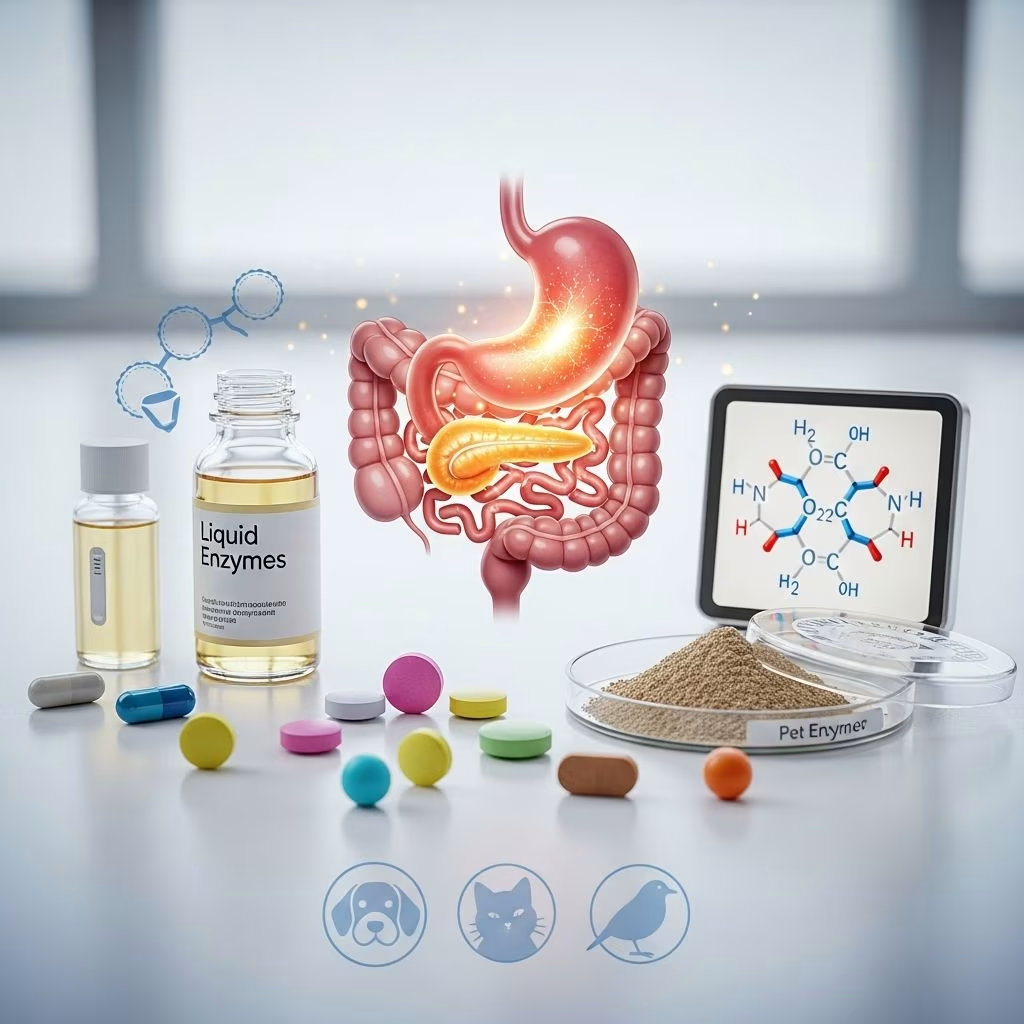
Understanding Pet Enzymes: A Complete Guide
Enzymes are vital substances within the body that regulate chemical reactions essential for basic life functions in pets. These remarkable proteins act as catalysts, enabling countless physiological processes that keep your pet healthy and functioning optimally. Whether your pet needs support for digestion, energy storage, energy utilization, or molecular synthesis and breakdown, enzyme supplements can provide therapeutic benefits when body processes require additional support. Understanding how enzymes work and when they may benefit your pet is crucial for making informed healthcare decisions with your veterinarian.
What Are Enzymes?
Enzymes are specialized proteins that facilitate and regulate chemical reactions throughout your pet’s body. These remarkable biological catalysts are responsible for breaking down food, storing and converting energy, and creating or breaking down essential molecules. Without adequate enzyme function, pets cannot properly digest nutrients, absorb vitamins and minerals, or maintain proper metabolic balance.
The body naturally produces many enzymes needed for survival. However, certain conditions, illnesses, or age-related changes can result in insufficient enzyme production. In these cases, enzyme supplements become valuable therapeutic tools. Veterinarians may recommend enzyme supplementation to support specific body processes that require additional assistance, ensuring your pet maintains optimal health and nutrition.
Common Types of Enzymes Used in Pets
Several types of enzyme supplements are available for pets, each with specific therapeutic applications.
Digestive Enzymes
Digestive enzymes are the most commonly used enzyme supplements in companion animals. These enzymes are primarily used to treat exocrine pancreatic insufficiency (EPI), a condition where the pancreas cannot produce enough digestive enzymes. The three main digestive enzymes used in pet treatment are:
– Lipase: Breaks down dietary fats into absorbable components- Amylase: Breaks down carbohydrates and starches- Protease: Breaks down proteins into amino acids
Digestive enzymes may be recommended for pets with small intestinal disease, pancreatic disease, or allergies affecting nutrient absorption. Pancrelipase, a pancreatic enzyme supplement available under brand names including Viokase®, Epizyme®, Panakare®, and Pancrepowder Plus®, is commonly prescribed to treat EPI in dogs, cats, and birds. In rabbits, pancrelipase has also been used to address the formation of fur balls.
Other Enzyme Supplements
Beyond digestive enzymes, veterinarians may recommend several other enzyme supplements for specific therapeutic purposes. Bromelain, derived from pineapple stems, possesses anti-inflammatory properties. Papain, derived from papaya fruit, assists in protein digestion and also has anti-inflammatory benefits. Cellulase helps break down plant fibers and cellulose, improving digestibility of vegetable matter.
The Zymox LP3 Enzyme System represents a specialized enzyme combination used in topical products designed to combat bacterial, fungal, and viral microorganisms. This system combines three powerful enzymes: lactoperoxidase, lysozyme, and lactoferrin, which work synergistically to combat infections affecting the skin, coat, and ears.
Mechanisms of Action: How Enzymes Work
Different enzymes work through various mechanisms to provide therapeutic benefits. Understanding these mechanisms helps explain why specific enzyme supplements are chosen for particular conditions.
The Zymox LP3 Enzyme System: A Multi-Mechanism Approach
The Zymox LP3 Enzyme System demonstrates how multiple enzymes can work together for enhanced effectiveness. Each component operates through a distinct mechanism:
Lactoperoxidase, naturally found in milk, works with hydrogen peroxide and other natural compounds to create a chemical reaction that inhibits harmful bacteria by disrupting their metabolic processes. Lysozyme, sourced from egg whites, directly attacks bacterial cell walls, breaking them apart and effectively killing bacteria. Lactoferrin binds to iron—an element essential for microbial growth—effectively starving harmful bacteria and fungi and preventing them from reproducing and spreading.
This multi-pronged approach makes the Zymox LP3 Enzyme System effective against multiple pathogens including Staphylococcus species, Pseudomonas species, Malassezia species, Candida albicans, and Microsporum species. The enzymes can be used alone or combined with hydrocortisone for mild itching or as an adjunctive treatment for more severe conditions such as atopic dermatitis.
Risk Factors and Safety Considerations
While enzyme supplements are generally considered safe, certain conditions warrant caution or contraindication.
Allergies and Contraindications
Enzymes should not be used in pets with known allergies to specific enzyme components. For digestive enzymes of porcine (pig) origin, avoid use in pets with documented pork allergies. Always review enzyme source materials and ingredient lists carefully with your veterinarian to ensure compatibility with your pet’s dietary restrictions.
Special Populations Requiring Caution
Enzyme supplements should be used cautiously in certain pet populations:
– Pregnant and nursing pets: Safety has not been established during pregnancy and lactation- Pets with liver disease: Compromised liver function may affect enzyme metabolism- Pets with kidney disease: Reduced kidney function requires careful monitoring- Pets with high blood pressure: Some enzymes may interact with cardiovascular regulation- Pets with bleeding disorders: Certain enzymes may affect coagulation
Your veterinarian will evaluate your individual pet’s health status, medical history, and current conditions to determine whether enzyme supplementation is appropriate and safe.
Drug Interactions: Important Medication Considerations
Enzymes can interact with multiple categories of medications, requiring careful consideration when initiating therapy. The following medications should be used with caution when administered concurrently with enzymes:
– Antacids- Antibiotics- Anticoagulants (blood thinners)- Antidepressants- Blood pressure medications- H2 blockers (acid reducers)- Proton pump inhibitors (acid reducers)- Sedatives
Additionally, vitamins, herbal therapies, and other supplements have significant potential to interact with each other as well as with prescription and over-the-counter medications. It is absolutely essential to inform your veterinarian about every medication, vitamin, supplement, or herbal therapy your pet is currently receiving before starting any new enzyme treatment. This comprehensive disclosure allows your veterinarian to identify potential interactions and adjust treatments appropriately.
Monitoring During Enzyme Therapy
Unlike some medications requiring frequent blood tests or physical examinations, enzyme supplementation typically requires minimal formal monitoring. There is no specific monitoring protocol required while your pet takes enzyme supplements. However, your veterinarian may periodically monitor your pet to ensure the medication is working effectively and providing therapeutic benefit.
At home, you should monitor your pet for any unusual side effects or changes in condition. Most pets tolerate enzyme supplements well, but observation ensures early detection of any adverse reactions. Keep detailed notes about your pet’s response to treatment, including changes in appetite, digestion, energy levels, or skin and coat condition. Report any concerns to your veterinarian promptly.
Proper Storage of Enzyme Supplements
Proper storage is essential for maintaining enzyme supplement potency and efficacy. Enzymes are sensitive proteins that can degrade if exposed to improper conditions. In general, store enzyme supplements in a cool place, protected from light and moisture. Do not store in bathrooms where humidity is elevated, nor in direct sunlight or heat sources.
Since many different manufacturers produce various enzyme formulations, each with unique stability profiles, always follow the specific storage instructions printed on the product label. Some formulations may require refrigeration, while others remain stable at room temperature. If you’re uncertain about proper storage, consult your veterinarian or pharmacist for guidance specific to your pet’s enzyme supplement.
Topical Enzyme Treatments: The Zymox LP3 System
While most enzyme supplements are administered orally, topical enzyme treatments offer specialized benefits for skin, coat, and ear conditions. The Zymox LP3 Enzyme System is applied directly to affected areas of skin, coat, or ears in animals of all species.
Application Instructions
When using the Zymox LP3 Enzyme System, follow the instructions on the product label in conjunction with your veterinarian’s specific directions. The manufacturer recommends following a no pre-cleaning protocol. While rinsing the area with water is permitted, no cleaning solutions or antiseptic agents are necessary before application. This approach allows the enzymes to work optimally without interference from other compounds.
The medication should take effect within one to two days, with improvement in clinical signs following shortly thereafter. This relatively rapid response time makes the Zymox LP3 system an attractive option for pets suffering from acute skin or ear conditions.
Potential Side Effects
The Zymox LP3 Enzyme System may cause skin irritation in some pets. Additionally, drug sensitivities can develop over time with repeated exposure. A pet may tolerate the first few doses without reaction but develop sensitivity later in the course of treatment. It is important to watch for signs of allergic reaction throughout the entire treatment period.
This short-acting medication typically stops working within 24 hours, although effects may persist longer in pets with liver or kidney disease. If any side effects occur, discontinue use immediately and contact your veterinarian.
Important Considerations About Natural Products
While enzyme supplements are derived from natural sources—such as pineapple, papaya, egg, and milk—the fact that a product is natural does not automatically ensure safety. All medicines and medicinal plants are potentially toxic if used inappropriately or administered at high doses. Supplements can produce side effects similar to pharmaceuticals.
Unfortunately, few supplements and herbs have been subjected to rigorous scientific trials to determine their true efficacy and safety profiles. While enzyme supplementation has been used in veterinary medicine for decades, ongoing research continues to refine our understanding of optimal dosing, indications, and safety parameters.
Frequently Asked Questions About Pet Enzymes
Q: What is exocrine pancreatic insufficiency (EPI)?
A: EPI is a condition where the pancreas is unable to produce sufficient enzymes needed to digest fats, carbohydrates, and proteins. Dogs, cats, and birds can develop this condition, which requires lifelong enzyme replacement therapy and dietary management.
Q: How is EPI diagnosed in pets?
A: Simple blood and fecal tests can accurately detect EPI. The canine trypsinogen-like immunoassay (cTLI) is the preferred diagnostic test for dogs with EPI. This test is often combined with vitamin B12 and folate level tests for the best assessment of pancreatic function.
Q: Can enzyme supplements treat EPI permanently?
A: No, EPI requires lifelong treatment with pancreatic enzyme replacement supplements combined with highly digestible, low-fat diets. Treatment must be continued for the rest of the pet’s life, though the condition can be effectively managed with appropriate supplementation and dietary modification.
Q: Are there other supplements that might be recommended alongside enzymes?
A: Yes, when hypocobalaminemia (low blood cobalamin level) is documented, your veterinarian may recommend cobalamin (vitamin B12) supplementation. If elevated folate levels are detected, suggesting bacterial overgrowth in the small intestine, an antibiotic such as tylosin may be prescribed.
Q: How quickly do enzyme supplements start working?
A: Topical enzyme products like the Zymox LP3 system should take effect within one to two days. Oral digestive enzymes typically show benefits within a few days to weeks, depending on the underlying condition and individual pet response.
Q: Can I give my pet enzyme supplements without veterinary supervision?
A: Your veterinarian is the best source of information about the safety and appropriateness of enzyme supplements for your specific pet. While some enzyme products are available over-the-counter, professional veterinary evaluation ensures proper diagnosis, appropriate supplementation, and monitoring for potential drug interactions.
References
- Enzymes — VCA Animal Hospitals. 2024. https://vcahospitals.com/know-your-pet/enzymes
- Zymox LP3 Enzyme System — VCA Animal Hospitals. 2024. https://vcahospitals.com/know-your-pet/zymox-lp3-enzyme-system
- Pancrelipase — VCA Animal Hospitals. 2024. https://vcahospitals.com/know-your-pet/pancrelipase
- Exocrine Pancreatic Insufficiency in Dogs — VCA Canada. 2024. https://vcacanada.com/know-your-pet/exocrine
- Serum Biochemistry — VCA Animal Hospitals. 2024. https://vcahospitals.com/know-your-pet/serum-biochemistry



