Pet Emergency Signs: Act Fast to Save Lives
Discover critical symptoms that demand immediate veterinary attention for dogs and cats to prevent life-threatening complications.

Pet owners often face heartbreaking decisions when their furry companions show sudden distress. Recognizing true emergencies versus minor issues can determine whether your dog or cat receives timely treatment that saves their life. This guide outlines key warning signs, what to do first, and why rushing to an emergency veterinary clinic matters, drawing from established veterinary guidelines.
Understanding Pet Emergencies: What Makes Them Urgent
A pet emergency involves any condition posing immediate threat to life or causing extreme suffering without prompt intervention. Unlike routine check-ups, these situations demand 24/7 access to specialized care. Delays can lead to organ failure, permanent damage, or death, as tissues deprive of oxygen or toxins overwhelm the body.
Emergency vets triage cases by severity, prioritizing those with collapsing vital signs. Facilities equipped with advanced diagnostics like X-rays, ultrasounds, and blood analyzers enable rapid assessment and stabilization. Survival rates improve dramatically with early action, as pets benefit from fluids, surgery, or antidotes administered within critical hours.
Critical Breathing Problems in Pets
Respiratory distress tops the list of emergencies. Watch for rapid shallow breaths, gasping, choking, excessive coughing, or blue/pale gums signaling oxygen starvation. These indicate heart failure, pneumonia, allergic reactions, or airway blockages.
- Choking from toys or bones requires immediate airway clearance attempts before transport.
- Extended coughing or gagging suggests tracheal collapse or infections needing oxygen therapy.
- Blue tongue/gums mean hypoxia; every minute counts to restore breathing.
Do not wait for improvement—head to the nearest ER. Vets may use intubation or nebulizers to stabilize breathing while diagnosing the root cause.
Trauma and Injury: Hidden Dangers
Accidents like car hits, falls, or fights cause unseen internal injuries. External wounds may seem minor, but fractured bones, organ rupture, or spinal damage lurk beneath. Neurological signs like staggering, paralysis, or unequal pupils signal head trauma or concussion.
| Symptom | Possible Issue | Action |
|---|---|---|
| Severe bleeding not stopping in 5 minutes | Arterial damage | Apply pressure, rush to vet |
| Inability to stand or drag limbs | Spinal injury | Immobilize, do not move roughly |
| Abdominal swelling/pain | Internal bleeding | Immediate imaging needed |
Gently transport on a board to avoid worsening injuries. Emergency surgery often repairs fractures or removes blood clots.
Gastrointestinal Crises: Vomiting, Diarrhea, and Bloat
Severe, repeated vomiting or bloody diarrhea points to obstructions, infections like parvovirus, pancreatitis, or toxin effects. In large breeds, bloat (stomach twisting) kills within hours via shock. Signs include unproductive retching, distended belly, restlessness, and collapse.
- Blood or coffee-ground vomit indicates ulcers or bleeding.
- Diarrhea with lethargy suggests dehydration risking kidney shutdown.
- Foreign bodies like socks require endoscopy or surgery.
Withhold food but offer small water sips en route. Vets use IV fluids and anti-emetics to stabilize before diagnostics.
Poisoning: Common Household Threats
Toxins from chocolate, xylitol (gum), antifreeze, lilies, or rodenticides strike fast. Symptoms range from drooling and tremors to seizures or coma. Even small amounts prove fatal without decontamination.
Bring toxin packaging/samples to the vet. Treatments include inducing vomit (if recent), activated charcoal, IV antidotes, or dialysis. Time is toxin—act within 30 minutes for best odds.
Neurological Alerts: Seizures and Collapse
Sudden seizures, fainting, disorientation, or weakness stem from epilepsy, strokes, low blood sugar, or toxins. Clusters or episodes over 5 minutes risk brain damage.
- Clear area of hazards during seizures; time duration.
- Post-seizure confusion lasting over 30 minutes warrants ER visit.
- Loss of balance or circling suggests vestibular disease or tumors.
Anti-convulsants like diazepam stop active seizures; long-term meds prevent recurrence after diagnostics.
Urinary and Defecation Blockages
Straining without urine output signals stones or crystals, common in males. Toxins build rapidly, causing kidney failure. Fecal blockages from mega-colon or masses cause toxic overload.
Painful urination or no stool in 24-48 hours needs catheterization or enemas. Untreated, toxemia leads to rupture.
Uncontrolled Bleeding and Pale Gums
Bleeding from orifices, wounds, or internally (coughing blood) demands pressure and speed. Pale gums indicate shock or anemia; check by pressing—refill over 2 seconds is critical.
Transfusions and surgery stop hemorrhage; monitor en route.
First Aid Steps Before the Vet ER
Stay calm—your pet senses panic. Key actions:
- Call ahead with symptoms for triage advice.
- Muzzle if aggressive from pain; use towel gently.
- CPR for non-breathing: 30 compressions (chest depth 1/3-1/2), 2 breaths; repeat.
- Keep warm, cover wounds with clean cloth.
Have records ready: vaccines, meds, recent exposures.
Inside the Emergency Vet Clinic
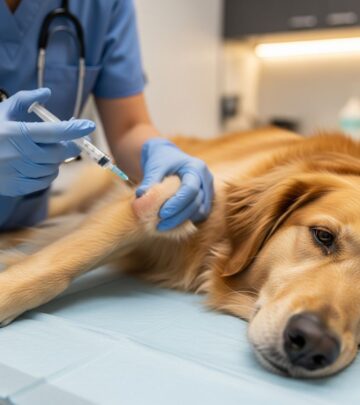
Triage assesses ABCs (airway, breathing, circulation). Stabilization precedes tests: labs, imaging. Treatment plans range from meds to ICU monitoring. Costs vary but pale against loss.
Preventing Emergencies Through Proactive Care
Annual wellness exams catch issues early. Vaccinate, parasite control, secure toxins, microchip. Spay/neuter reduces risks like pyometra or cancers. Pet insurance eases financial stress.
FAQs: Pet Emergency Essentials
Q: How do I know if it’s a true emergency?
A: Use the AVMA list: breathing issues, bleeding, seizures, poisoning, collapse. Err on caution.
Q: What’s the difference between urgent care and ER?
A: ER for life-threats; urgent for same-day non-critical needs.
Q: Can I treat minor issues at home?
A: No for listed signs—professional diagnostics prevent escalation.
Q: How much does pet ER cost?
A: $200-$5000+ based on needs; inquire about payment plans.
Q: What if my regular vet is closed?
A: Locate 24/7 ER via apps or hotlines like ASPCA Poison Control.
Why Every Minute Counts: Survival Stats
Pets treated within 1 hour of bloat onset have 80%+ survival vs. 10-20% delayed. Trauma outcomes improve 50% with rapid surgery. Knowledge empowers—be your pet’s hero.
References
- When to Take Dog to Emergency Vet – Life-Saving Guidelines for Pet Parents — Harvester Animal Clinic. 2023. https://harvesteranimalclinic.com/compassionate-pet-urgent-care-in-st-peters-mo/when-to-take-dog-to-emergency-vet-life-saving-guidelines-for-pet-parents/
- Top Reasons to Bring Your Pet to the Emergency Vet — MEVC. 2024. https://mevc.net/top-reasons-to-bring-your-pet-to-the-emergency-vet/
- Pet Emergency Symptoms: 10 Warning Signs — Cat and Dog Clinic of Bellevue. 2025-06-15. https://www.catanddogclinicofbellevue.com/2025/06/15/pet-emergency-symptoms-10-warning-signs-that-require-immediate-veterinary-care/
- Emergency Veterinary Care — Trail Pet Hospital. 2024. https://trailpethospital.com/services/emergency-veterinary-care/
- What Happens at an Emergency Vet Clinic — Allied Veterinary. 2024. https://www.alliedervet.com/blog/what-happens-at-an-emergency-vet-clinic-a-step-by-step-guide-for-pet-parents/
- Top 8 Reasons to Visit the Emergency Vet — VEG. 2023. https://www.veg.com/post/top-8-reasons-to-visit-the-emergency-vet
- 13 Animal Emergencies Requiring Immediate Veterinary Care — American Veterinary Medical Association (AVMA). 2024. https://www.avma.org/resources/pet-owners/emergencycare/13-animal-emergencies-require-immediate-veterinary-consultation-andor-care
Similar Articles







Read full bio of medha deb