
Pet Emergency Readiness Guide
Essential steps to safeguard your cats and dogs during disasters, from kits to evacuation plans for ultimate pet protection.
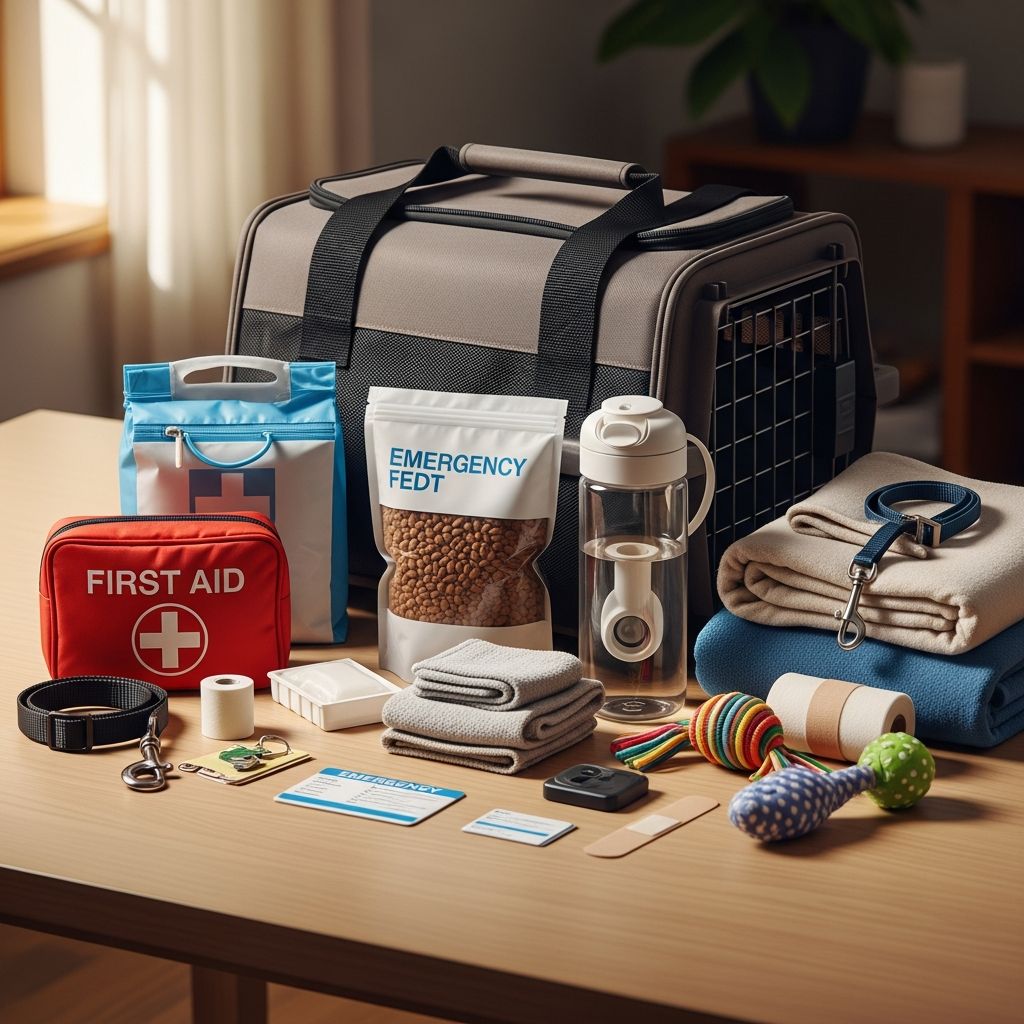
Disasters strike without warning, whether it’s a sudden fire, flooding, or severe storm. For pet owners, preparation means more than human safety—it includes ensuring cats and dogs remain secure too. This guide outlines practical steps to build resilience against crises, drawing from expert recommendations to help you create robust plans and kits.
Understanding Disaster Risks for Pets
Pets face unique vulnerabilities in emergencies. Cats may hide in panic, while dogs could bolt from fear. Natural events like hurricanes or wildfires, alongside man-made issues like power outages, demand proactive measures. Start by assessing local threats: coastal areas prone to floods need waterproof supplies, while wildfire zones require evacuation routes.
Building Your Core Pet Emergency Kit
A well-stocked kit is the foundation of readiness. Store it in a waterproof, portable container near an exit, labeled clearly for quick access. Rotate perishables like food and meds every six months to maintain usability.
- Food and Water: 3-7 days’ supply per pet, including a manual can opener for canned items. Use sturdy bowls.
- Medications: Two-week supply in waterproof packaging, plus instructions. Include flea/tick preventives.
- Comfort Items: Familiar toys, blankets, and treats to reduce stress.
- Cleaning Supplies: Litter, pan, scoop, poop bags, paper towels, pet-safe disinfectant, and trash bags.
For multi-pet households, scale quantities accordingly. Cats benefit from pillowcases for transport, dogs from extra leashes and chew toys.
Human Kit Integration
Combine pet and family kits. Add batteries, flashlight, radio, cash, multi-tool, and personal meds to one ‘Evac-Pack’.
Essential Identification and Documentation
Lost pets surge during disasters. Permanent ID is critical.
| Item | Purpose | Details |
|---|---|---|
| Microchip | Recovery Aid | Register with your info plus out-of-area contact. Keep company details handy. |
| Collars/Tags | Immediate ID | Include name, your phone, and alternate contact. Extra collars/harnesses essential. |
| Photos | Proof of Ownership | Current, clear images of each pet for posters or social media. |
| Records | Medical Access | Vaccinations, rabies certs, prescriptions, vet contacts in waterproof container or USB. |
Affix rescue stickers to windows noting pet count and types, updating to ‘EVACUATED’ if leaving.
Crafting a Family Evacuation Strategy
Plans prevent chaos. Involve all household members in drills.
- Map Routes: Identify multiple paths, including pet-friendly options.
- Pet-Friendly Lodging: Pre-book hotels, list boarding facilities, vets, and shelters. Use apps for real-time updates.
- Neighbor Network: Designate a trusted contact for check-ins.
- Drills: Practice loading pets into carriers quarterly. Acclimate them early.
Account for scenarios: immediate evacuations (fires) need carriers ready; seasonal threats (hurricanes) allow more prep time.
Pet First Aid Essentials
Injuries happen fast. Assemble a vet-approved kit and learn basics via classes.
- Gauze, bandages, tape, scissors, thermometer, tweezers, gloves.
- Antiseptic wipes, hydrogen peroxide, styptic powder for bleeding.
- Eye wash, saline, Benadryl (dosed per vet), instant cold packs.
- Towel, muzzle, tick remover.
Store with a first-aid guide. For multi-day events, gloves prevent scratches.
Safe Transport Solutions
Secure carriers prevent escapes. Label with contacts.
- Cats: Hard-sided carriers or EvacSaks for multiples. Litter provisions key.
- Dogs: Crates sized for comfort, leashes, harnesses, muzzle if needed.
Thick gloves aid handling stressed animals. Tie-out stakes for temporary sheltering.
Finding Refuge: Shelters and Boarding
Not all evac centers accept pets. Research ahead:
- Pet-specific shelters via FEMA or local animal control.
- Hotels with pet policies; confirm generators for power outages.
- Friends/relatives out-of-area as backups.
Maintain a contact list: shelters, vets, boarding. Update boarding instructions with feeding/med details.
Post-Disaster Care and Recovery
Stress lingers. Monitor for anxiety, appetite loss, or injuries.
- Reunite via microchips/shelters; post photos online.
- Gradual routine return; extra comfort items help.
- Vet check-ups promptly.
Behavior shifts common—patience aids adjustment.
Customizing for Cats and Dogs
Cat-Specific Prep
Cats hide instinctively. Use carriers with familiar scents; scoopable litter for portability. Indoor cats need tags most during home breaches.
Dog-Specific Prep
Dogs may pull leashes. Extra harnesses, cage liners for 7 days, chew toys for calm.
FAQs
What if I can’t evacuate with my pets?
Never leave them. Designate a caregiver via formal agreements. Worst case, alert neighbors/vets with access instructions.
How often to check kits?
Twice yearly or post-expiration. Test batteries, sniff food.
Are there free resources?
Yes, ASPCA checklists, CDC PDFs, Red Cross guides downloadable.
What about multiple pets?
Multiple carriers; prioritize by ease. EvacSaks efficient for small animals.
Power outage tips?
Battery radio for alerts; manual can opener; non-perishables.
Community and Long-Term Resilience
Join local pet prep groups. Share kits with neighbors. Annual reviews adapt to new risks like climate shifts.
Preparedness empowers. By implementing these steps, you ensure pets aren’t left vulnerable, turning potential tragedy into manageable response.
References
- Disaster Preparedness | ASPCA — ASPCA. 2023. https://www.aspca.org/pet-care/general-pet-care/disaster-preparedness
- Emergency Pet Preparedness Checklist – Zoetis Petcare — Zoetis Petcare. 2023. https://www.zoetispetcare.com/resources/pet-preparedness-checklist
- Pet Emergency Kit Checklist and Plan | Best Friends Animal Society — Best Friends Animal Society. 2023. https://bestfriends.org/pet-care-resources/pet-emergency-kit-checklist-and-plan
- PET EVACUATION KIT — American Veterinary Medical Association (AVMA). 2023-11. https://www.avma.org/sites/default/files/2023-11/aph-pet-evacuation-kit-checklist.pdf
- Pet Disaster Kit Checklist – CDC — Centers for Disease Control and Prevention (CDC). 2023. https://www.cdc.gov/healthy-pets/media/pdfs/disaster-prep-Pet-Emergency-Checklist-1.pdf
- Pet Disaster Preparedness – RedRover — RedRover. 2023. https://redrover.org/pet-disaster-preparedness/
Similar Articles








Read full bio of Sneha Tete


