

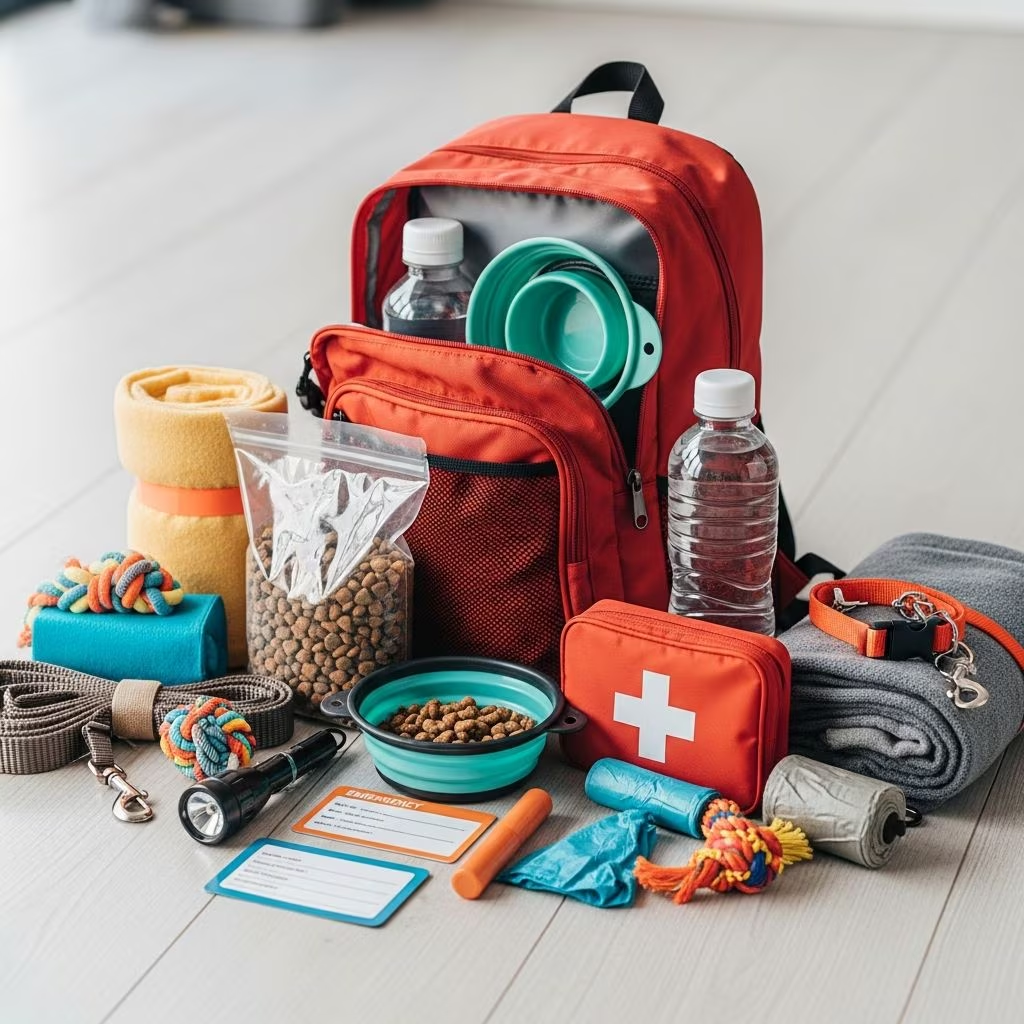
Preparing a dedicated emergency kit for your pets can be the difference between safety and chaos during unexpected events like natural disasters, house fires, or sudden medical issues. This guide provides a detailed roadmap to assembling a comprehensive kit tailored to your pet’s needs, drawing from authoritative recommendations to ensure you’re ready for anything.
Why Every Pet Owner Needs an Emergency Kit
Disasters don’t announce themselves, and pets depend entirely on their owners for survival in crises. Whether facing immediate threats like gas leaks or longer-term issues such as floods, a pre-packed kit allows quick evacuation without scrambling for essentials. Official guidelines emphasize having supplies for at least 3-14 days, depending on the scenario, to cover evacuation, sheltering in place, or travel to veterinary care. Tailoring the kit to your pet—dogs, cats, birds, or exotic animals—ensures their specific dietary, medical, and comfort requirements are met.
Core Components of Your Pet Emergency Kit
Start with a waterproof, portable container like a sturdy plastic bin or backpack. Organize items into categories for easy access: sustenance, hygiene, medical, transport, and documentation. Regularly inspect and rotate perishables every 3-6 months to maintain freshness.
Sustenance: Food, Water, and Feeding Gear
Your kit must sustain your pet without access to regular supplies. Stock enough for 7-14 days to account for delays in rescue or relocation.
- Non-perishable food: Dry kibble in airtight bags or canned varieties (include manual can opener).
- Water: At least one gallon per pet per day, stored in sealed jugs.
- Collapsible bowls: One for food, one for water, sized appropriately.
- Treats or snacks: Familiar items to reduce stress and encourage cooperation.
For multi-pet households, label portions to avoid mix-ups. Special diets for seniors, puppies, or those with allergies require extras.
Hygiene and Waste Management
Maintaining cleanliness prevents disease in cramped evacuation conditions.
- Poop bags or small trash liners: At least 50 for dogs.
- Cat litter and portable pan: Compact, scoopable litter for felines.
- Pet-safe disinfectant and paper towels: For spills or accidents.
- Heavy-duty gloves: For safe handling of waste or debris.
Comfort and Familiarity Items
Stress amplifies during crises; familiar scents soothe anxiety.
- Blanket or towel with your home scent.
- Favorite toy or chew item.
- Bedding for carriers: Absorbent and comforting.
Building a Pet First Aid Kit
A dedicated first aid section is non-negotiable, as injuries can occur during evacuations or disasters. Consider taking a pet first aid course for proper usage. Store in a separate, labeled pouch within the main kit.
| Item | Purpose | Quantity |
|---|---|---|
| Gauze rolls and pads (various sizes) | Wound dressing and bandaging | 4-6 rolls/pads |
| Non-stick bandages and cohesive wrap | Secure injuries without sticking to fur | 2-3 each |
| Adhesive tape (hypoallergenic) | Hold bandages in place | 1 roll |
| Digital thermometer (rectal) | Monitor fever | 1 |
| Antiseptic wipes/solution (e.g., chlorhexidine) | Clean wounds | 10+ wipes |
| Scissors, tweezers, hemostats | Cut tape, remove splinters/ticks | 1 set each |
| Syringe or eyedropper | Administer meds or flush eyes | 2-3 |
| Styptic powder or cornstarch | Stop bleeding from nails | 1 small bottle |
| Muzzle (soft, properly fitted) | Prevent bites during pain | 1 |
| Glucose syrup or paste | Treat low blood sugar | 1 tube |
| Antibiotic ointment (vet-approved) | Prevent infection | 1 tube |
| Lubricant (e.g., KY Jelly) | Aid thermometer insertion | 1 small tube |
Include a pet first aid manual or laminated cheat sheets with instructions. Vet-approved meds like diphenhydramine (for allergies) require dosage notes.
Identification and Transport Essentials
Reuniting after separation hinges on clear ID. Permanent markers on fur or collars add redundancy.
- Extra collar/harness with ID tags.
- Leashes (nylon, 6ft+).
- Pet carrier/crate: Sturdy, airline-approved size with ventilation.
- Microchip info printout.
Critical Documentation Folder
Waterproof pouch with photocopies (digital backups on USB):
- Vaccination and medical records.
- Recent pet photos (you + pet).
- Microchip numbers and registry contacts.
- Medication schedules/dosages.
- Pet insurance details.
- Emergency contacts: Vet, poison control (e.g., ASPCA at 888-426-4435), shelters, friends/family.
- Care instructions for feeders.
Customizing for Your Pet’s Needs
Dogs
Larger breeds need bigger carriers and more food; include nail trimmers and flea preventives.
Cats
Prioritize litter setups and calming pheromone wipes.
Other Pets
Birds: Seed, perches, cage cover. Small mammals: Bedding, heat sources. Reptiles: Heat lamps (battery-powered), live food alternatives.
Developing a Family Emergency Plan
A kit alone isn’t enough; integrate pets into your household plan.
- Identify evacuation routes and pet-friendly shelters/hotels.
- Practice drills: Load pets and kit in under 5 minutes.
- Designate a pet buddy if you’re separated.
- Map multiple vets/emergency clinics.
- Update contacts yearly.
For immediate evacuations (fires), grab pets first, then kit. Short-notice events (storms) allow grabbing extras like a gallon of water.
Maintenance and Testing Your Kit
Check quarterly: Replace expired food/meds, test batteries in flashlights, ensure carriers fit. Involve kids or backups in reviews.
Frequently Asked Questions (FAQs)
How often should I update my pet emergency kit?
Every 3-6 months for perishables; annually for records and fit checks.
What if my pet has chronic conditions?
Stock 2-week meds with instructions; consult vet for alternatives.
Is a human first aid kit sufficient?
No—pets need specific items like muzzles and styptic powder.
Where to store the kit?
Near exits, not in basements; duplicates in vehicles for travelers.
Pet-friendly hotels during disasters?
Research ahead; apps like Pets Welcome list options.
Real-Life Scenarios and Tips
In wildfires, prioritize carriers over leashes for containment. Floods demand elevated storage. Vet emergencies: Bring records and a towel for exams. Power outages? Flashlight and manual can opener shine.
Empower yourself with knowledge—local Red Cross or humane society classes build confidence.
References
- Pet Emergency Kit Checklist and Plan — Best Friends Animal Society. 2023. https://bestfriends.org/pet-care-resources/pet-emergency-kit-checklist-and-plan
- What to Pack in Your Pet’s Emergency Kit: A Complete Checklist — All Critters Veterinary Hospital. 2024. https://www.allcrittersvet.com/blog/what-to-pack-in-your-pets-emergency-kit-a-complete-checklist/
- Pet Emergency Kit Checklist — Aztec Pet Hospital. 2023. https://aztecpethospital.com/pet-emergency-kit-checklist/
- Disaster Supply Checklist for Pets — Queen Anne’s County, MD Government (.gov). 2025. https://www.qac.org/235/Disaster-Supply-Checklist-for-Pets
- Build a Pet Disaster Preparedness Kit — Centers for Disease Control and Prevention (CDC .gov). 2024-10-01. https://www.cdc.gov/healthy-pets/emergency-preparedness/preparedness-kit.html
- First Aid Kit for Pets — American Red Cross. 2022. https://www.redcross.org/content/dam/redcross/atg/PDF_s/Preparedness___Disaster_Recovery/Disaster_Preparedness/Home_Fire/First_Aid_Kit_for_Pets.pdf
- Dog First-Aid Kit Essentials — American Kennel Club. 2024. https://www.akc.org/expert-advice/lifestyle/dog-first-aid-kit-essentials/



