Pet Emergency & Disaster Plan: Prepare Your Dog
Create a comprehensive emergency plan to keep your dog safe during natural disasters and unexpected crises.
Pet Emergency & Disaster Plan: Comprehensive Guide to Keeping Your Dog Safe
Natural disasters and emergencies can strike without warning, leaving pet owners scrambling to protect their furry family members. Whether facing hurricanes, tornadoes, floods, wildfires, or other catastrophic events, having a well-thought-out pet emergency and disaster plan can mean the difference between safety and chaos. This comprehensive guide will walk you through every step of creating a disaster preparedness strategy tailored specifically for your dog.
Why Your Dog Needs an Emergency Disaster Plan
Disasters create unpredictable situations that can separate you from your pet, destroy your home, and make accessing basic supplies extraordinarily difficult. During emergencies, your dog becomes even more dependent on you for survival and safety. A well-developed pet emergency and disaster plan ensures you can respond quickly and effectively when every second counts. By preparing now, you eliminate the stress of decision-making during a crisis and significantly increase the likelihood of keeping your dog safe and healthy through any disaster.
Building Your Pet Emergency Kit
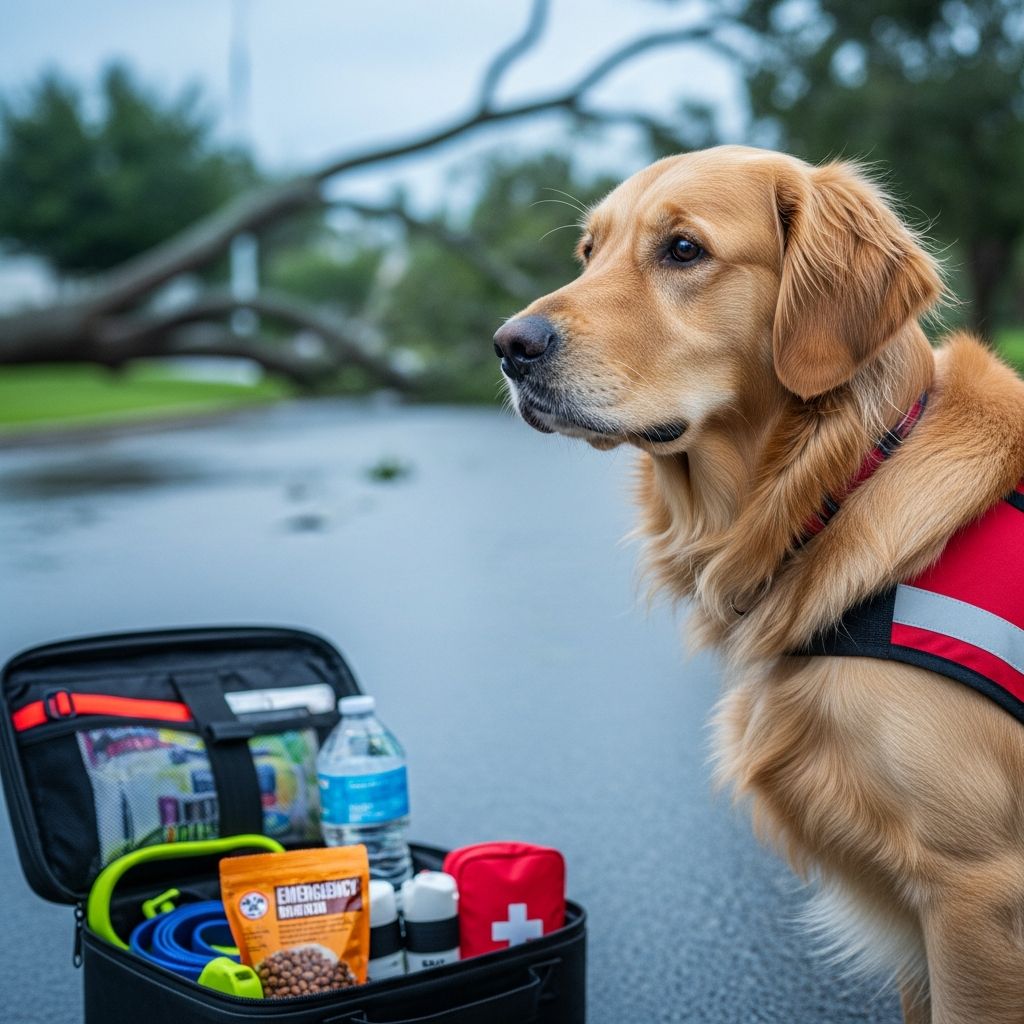
The foundation of any effective pet disaster plan is a comprehensive emergency kit. This kit should contain everything necessary to sustain your dog for at least two weeks, plus important documents and first aid supplies. Assembling this kit now means you won’t waste precious time gathering supplies when an emergency strikes.
Food, Water, and Hydration Essentials
Water and food are critical survival items during any disaster. Store a minimum two-week supply of fresh water specifically designated for your dog. Include collapsible water bowls that take minimal space and can be filled quickly. Pack a two-week supply of your dog’s regular food in waterproof, airtight containers to maintain freshness and protect against moisture damage. Include collapsible food bowls that won’t take up excessive space in your evacuation bag. Additionally, store printed feeding instructions that specify portion sizes and feeding schedules, ensuring anyone caring for your dog understands their nutritional needs.
Medications and Medical Supplies
During a disaster, obtaining prescription medications becomes nearly impossible. Store a two-week supply of all medications and supplements your dog requires in a clearly labeled, waterproof container. Include printed medication instructions that detail dosages, frequency, and any special administration instructions. Consider storing commonly needed over-the-counter pet medications in your kit for treating minor issues. A well-stocked pet first aid kit should include bandages, gauze, antiseptic wipes, tweezers for splinter removal, antibiotic ointment, pain relief medication approved by your vet, and any specialized supplies your dog might need based on their health conditions.
Critical Documentation and Identification
Important documents often get lost or destroyed during disasters, making it essential to maintain backup copies. Store the following documents in waterproof pouches:
- Complete veterinary records including medical summaries and vaccination histories
- Rabies certificates and proof of required immunizations
- Current medications and prescription information
- Medical conditions and treatment history documentation
- Pet registration information and license numbers
- Microchip registration details and identification numbers
- Recent high-quality photographs of your dog from multiple angles
- Written descriptions including breed, size, distinctive markings, and identifying features
- Emergency contact information for your veterinarian
- 24-hour emergency veterinary clinic contact numbers
- Your contact information and backup emergency contacts
Preparing Your Dog for Evacuation
Having supplies ready is only part of the equation. Your dog must also be mentally and physically prepared to handle emergency evacuation situations calmly and safely.
Training and Practice Drills
Regularly practice emergency evacuation drills with your dog so they become accustomed to responding quickly and calmly when needed. Include your dog in family emergency plans and conduct mock evacuations several times per year. Practice loading your dog into carriers or vehicles quickly and quietly. Use positive reinforcement, treats, and praise to create positive associations with evacuation procedures. Teaching your dog to respond to emergency commands and to enter carriers on cue ensures smooth evacuation when real danger strikes.
Identification and Microchipping
Updated identification is critical for reuniting with lost pets. Check your dog’s microchip information every three to four months to ensure all details are current and accurate. Update your contact information with the microchip company whenever your phone number or address changes. Maintain current ID tags on your dog’s collar with your phone number and address clearly visible. Even microchipped dogs benefit from visible identification tags, as these allow immediate contact without needing veterinary equipment to read the chip.
Creating a Home Safety Plan
Establish a safe space within your home where your dog can shelter during a disaster. This area should have access to water, be relatively protected from external hazards, and be large enough for your dog to move comfortably. Install working smoke alarms throughout your home and maintain fire extinguishers in accessible locations. Create a detailed emergency escape route that includes your dog and practice this route regularly with your entire family, ensuring everyone knows where to meet and how to secure your pet during evacuation.
Finding Pet-Friendly Evacuation Options
Before a disaster strikes, research and identify pet-friendly shelters, hotels, and boarding facilities in your area that would accept your dog during an evacuation. Many traditional evacuation shelters now accept pets but require advance registration or notice. Contact your local animal control office, humane society, and Red Cross chapters to learn about pet-friendly evacuation resources in your community. Check the websites of boarding facilities and pet-friendly hotels to understand their disaster policies and availability. Document all contact information and include it in your emergency kit for quick reference when time is critical.
Staying Informed and Alert
Part of effective disaster preparedness involves staying informed about potential threats in your area. Monitor weather forecasts during severe weather seasons and sign up for local emergency alerts. Follow guidance from local emergency management agencies and be prepared to evacuate immediately when authorities issue evacuation orders. Never leave your dog behind during an evacuation, as pets left alone may become lost, injured, or unable to access food and water. Keep evacuation routes planned in advance, considering where you’ll go and how you’ll transport your dog safely.
Essential Supplies Checklist
Use this comprehensive checklist to ensure your pet emergency kit contains all necessary items:
| Category | Items |
|---|---|
| Food & Water | 2-week food supply, 2-week water supply, collapsible bowls, feeding instructions |
| Medications | 2-week medication supply, dosage instructions, supplements, over-the-counter medications |
| Medical | First aid kit, bandages, gauze, antiseptic wipes, pain medication, medical records |
| Identification | Microchip documentation, ID tags, collar with ID, recent photos, written description |
| Documents | Vet records, vaccination certificates, registration, emergency contacts, prescriptions |
| Comfort Items | Favorite toys, blanket with familiar scent, crate or carrier, leashes |
| Supplies | Waste bags, carrier or crate, waterproof storage container, flashlight |
Post-Disaster Recovery Considerations
After a disaster passes, your dog may experience stress, anxiety, or behavioral changes from the traumatic experience. Allow extra time for your dog to readjust to normal routines and environments. Monitor for signs of distress or illness, and contact your veterinarian if you notice concerning changes. Rebuild normal routines gradually, as structure helps pets feel secure following a crisis. Some dogs may benefit from calming supplements or anxiety medication during the recovery period, so consult with your vet about appropriate options.
Regularly Updating Your Emergency Plan
An emergency kit loses effectiveness if its contents become outdated. Review and refresh your pet emergency kit every six months, checking expiration dates on medications, food, and first aid supplies. Update any documentation that has changed, such as new medications, current vet contact information, or revised emergency contacts. Rotate stored water every six months to ensure freshness. Take new photos of your dog annually to ensure current images are available for lost pet identification if needed.
Frequently Asked Questions
Q: How often should I update my pet’s emergency kit?
A: Review and update your emergency kit every six months. Check expiration dates on medications and food, update documents, and replace any used items. Taking new photos of your dog annually ensures current identification images are available.
Q: What if my dog has special medical needs?
A: Include detailed medical information and specialized supplies in your emergency kit. Store written instructions for any medical conditions, including treatment protocols and medication administration techniques. Ensure all emergency contacts know about your dog’s special needs.
Q: Should I microchip my dog even if they have an ID tag?
A: Yes, microchipping is highly recommended as a backup form of identification. Collars and tags can be lost or removed, but a microchip provides permanent identification that doesn’t require power or technology to access initially. Many shelters and vets scan for microchips during emergencies.
Q: Can I leave my dog behind during evacuation?
A: Never leave your dog behind during an evacuation. Pets left alone may become lost, injured, or unable to access food and water. Many disasters leave areas inaccessible for extended periods, putting your dog at serious risk.
Q: How much water should I store for my dog?
A: Store at least a two-week supply of fresh water. A general guideline is one gallon per dog per day, though larger dogs may require more. Rotate stored water every six months to maintain freshness.
Q: What should I do if my dog gets lost during a disaster?
A: Contact local animal shelters, rescue organizations, and veterinary clinics immediately. Post recent photos on social media and lost pet websites. If your dog was microchipped, ensure your contact information is current with the microchip company.
References
- Pet Disaster Preparedness & Recovery — American Red Cross. 2024. https://www.redcross.org/get-help/how-to-prepare-for-emergencies/pet-disaster-preparedness.html
- What To Pack in Your Dog Emergency Kit: How To Prepare Your Pup for Disaster — PetMD. 2024. https://www.petmd.com/dog/general-health/what-pack-your-dog-emergency-kit-how-prepare-your-pup-disaster
- Preparing Your Pet for Severe Weather: The Ultimate Safety Guide — PetHub. 2024. https://www.pethub.com/articles/2929555/preparing-your-pet-for-severe-weather-the-ultimate-safety-guide
- Emergency Preparedness & Safety Tips — Pet Emergency Group. 2024. https://www.petemergencygroup.org/pet-first-aid
- How To Prepare for a Hurricane if You Have Pets — Chewy Education. 2024. https://www.chewy.com/education/dog/pet-parenting/how-to-prepare-for-a-hurricane-if-you-have-pets
Similar Articles







Read full bio of Sneha Tete