

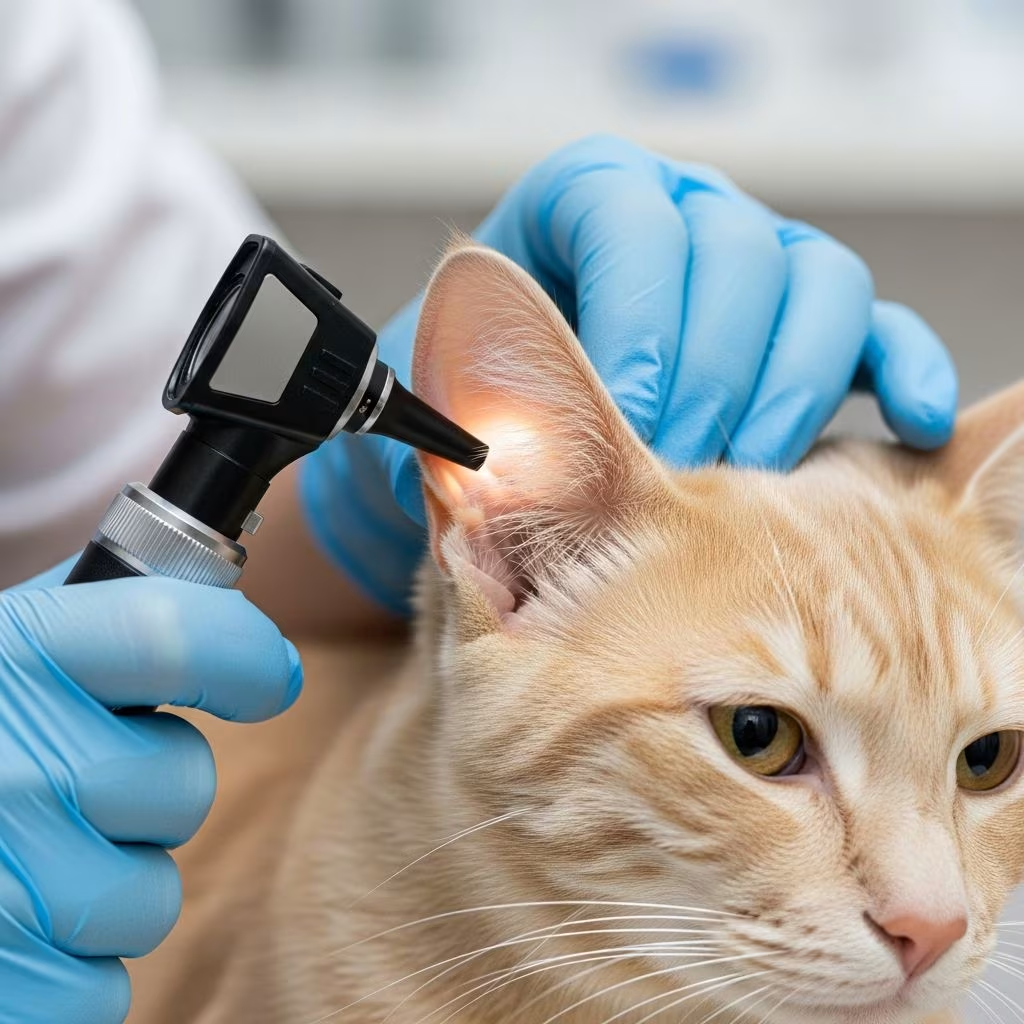
Ear infections represent one of the most frequent health challenges for dogs and cats, often causing significant discomfort if not addressed promptly. These conditions, medically termed otitis, can affect the outer, middle, or inner ear, with the outer ear being the most common starting point. Pets with untreated infections risk chronic issues, including hearing loss or balance problems. Early detection through observable behaviors allows owners to seek veterinary care effectively.
Understanding the Anatomy of Pet Ears
The structure of a pet’s ear differs notably from a human’s, featuring an L-shaped canal that promotes moisture and debris retention. This design benefits hearing but heightens infection vulnerability, particularly in breeds with droopy ears or dense canal hair that impede airflow. The ear divides into three sections: the external canal visible from outside, the middle chamber with balance-related components, and the inner area critical for hearing and coordination. Infections typically originate externally before potentially advancing inward.
Common Symptoms to Watch For
Recognizing symptoms enables timely intervention. Pets often display vigorous **head shaking** or tilting toward the affected side, attempting to dislodge irritants. Excessive **scratching or rubbing** against surfaces signals itchiness or pain. Visual cues include **redness, swelling**, and **dark, foul-smelling discharge** from the ear. In advanced cases, especially middle or inner ear involvement, signs escalate to **head tilt, balance loss, vomiting, or partial deafness**.
- Head shaking or tilting persistently
- Scratching at the ear or rubbing on furniture/carpets
- Red, inflamed ear canal with possible heat
- Dark, waxy, or pus-like discharge with odor
- Scabs, crusting, or ear flap swelling (aural hematoma)
- Balance issues, circling, or eye nystagmus in severe cases
For cats, symptoms mirror dogs but ear mites often contribute, leading to coffee-ground-like debris.
Primary Causes Behind Ear Infections
Multiple factors converge to create infection-prone environments. **Bacterial or yeast overgrowth** thrives in warm, moist canals disrupted by debris or water. **Allergies** to food, pollen, or fleas inflame the skin, breaching protective barriers and inviting microbes. Anatomical predispositions affect floppy-eared breeds like Cocker Spaniels or Basset Hounds, where poor ventilation traps humidity.
Other triggers include **ear mites** (prevalent in kittens), **foreign objects** like grass awns, excessive wax buildup, and systemic conditions such as hypothyroidism. Swimming or bathing without drying exacerbates risks by retaining moisture.
| Cause Category | Examples | Affected Pets |
|---|---|---|
| Microbial | Bacteria, yeast, mites | Dogs, cats |
| Allergic | Food, environmental, fleas | Dogs primarily |
| Anatomical | Floppy ears, narrow canals | Specific breeds |
| Environmental | Moisture from water, debris | All active pets |
Diagnosis Process at the Vet
Veterinarians start with a physical exam, using an otoscope to inspect the canal for inflammation, discharge, or blockages. Painful pets may require sedation for thorough visualization, especially if foreign bodies are suspected. Cytology involves swabbing and microscopic analysis to identify bacteria, yeast, or mites. Cultures and sensitivity tests guide antibiotic selection for resistant cases. Imaging like X-rays or CT scans assesses deeper involvement.
Effective Treatment Options
Treatment targets the root cause while alleviating symptoms. Initial steps include **professional ear cleaning** with medicated solutions to remove debris, enhancing medication efficacy. **Topical drops** combine antibiotics (e.g., enrofloxacin), antifungals (e.g., itraconazole), and anti-inflammatories, applied daily for weeks. Oral medications address severe or inner ear infections, requiring 6-8 weeks minimum to prevent relapse.
For mites, parasiticides suffice; allergies demand testing and management like hypoallergenic diets. Chronic cases may necessitate **surgery**, such as canal ablation, for irreversible damage. Home care involves gentle cleaning per vet instructions, avoiding cotton swabs.
Preventing Recurring Ear Problems
Proactive measures reduce incidence. Dry ears thoroughly after swims or baths using absorbent towels or low-heat blow dryers. Routine **ear cleanings** weekly with vet-approved solutions maintain hygiene, especially for prone breeds. Manage allergies through diet trials, flea control, and environmental hypoallergenics. Regular vet check-ups catch issues early.
- Dry ears completely post-water exposure
- Use pet-safe cleaners 1-2 times weekly
- Control fleas and monitor for allergies
- Trim excess hair in ear canals if needed
- Schedule bi-annual ear exams
Special Considerations for Dogs and Cats
Dogs
Dogs face higher allergy-related infections, with breeds like Labs prone due to swimming habits. Recurrent cases often link to atopy, requiring immunotherapy.
Cats
Cats more commonly suffer mites or polyps, with bacteria/yeast secondary. Multi-pet homes demand concurrent treatment to curb spread.
When to Seek Emergency Care
Immediate vet visits are essential for sudden balance loss, profound lethargy, facial paralysis, or unrelenting pain. These indicate inner ear involvement risking permanent damage. Delaying exacerbates complications like hematomas or sepsis.
Frequently Asked Questions (FAQs)
Can I clean my pet’s ears at home?
Yes, with vet-recommended cleaners, but avoid Q-tips; use cotton balls and massage gently. Professional cleaning is ideal initially[10].
How long do treatments take?
Typically 2-8 weeks; full courses prevent resistance. Follow-up exams confirm resolution.
Are ear infections contagious?
Bacterial/yeast rarely; mites yes, especially cat-to-cat.
What breeds are most at risk?
Floppy-eared: Spaniels, Hounds, Shar-Peis.
Will my pet lose hearing permanently?
Possible with inner ear damage, but early treatment minimizes risks.
Long-Term Management for Chronic Cases
Chronic infections signal underlying issues; allergy testing, diets, or hormone checks are pivotal. Video otoscopy or flushing under anesthesia aids deep cleaning. Owners track symptoms via journals for vet discussions.
Nutrition supports skin health: omega-3 supplements reduce inflammation. Stress management aids immune function.
References
- Ear Infections in Pets: Signs, Causes, and Treatments — Santa Monica Vet. Accessed 2026. https://santamonicavet.com/ear-infections-in-pets-signs-causes-and-treatments/
- Understanding Dog Ear Infections: Expert Prevention and Treatment Strategies — Peak Pet Urgent Care. Accessed 2026. https://peakpeturgentcare.com/understanding-dog-ear-infections-expert-prevention-and-treatment-strategies-at-peak-pet-urgent-care/
- Inner Ear Infection (Otitis Interna) in Dogs — VCA Animal Hospitals. Accessed 2026. https://vcahospitals.com/know-your-pet/inner-ear-infection-otitis-interna-in-dogs
- Pet Ear Infections Prevention And Care — Animal Veterinary Clinic Orlando. Accessed 2026. https://avcorlando.com/blog/pet-ear-infections-prevention-and-care/
- Ear infections in dogs — PDSA. Accessed 2026. https://www.pdsa.org.uk/pet-help-and-advice/pet-health-hub/conditions/ear-infections-in-dogs
- Ear Infection in Dogs: Symptoms and Treatment — GoodRx. Accessed 2026. https://www.goodrx.com/pet-health/dog/how-to-tell-if-dog-has-ear-infection
- Dog Ear Infections: Symptoms, Causes, Treatment, and Prevention — AKC. Accessed 2026. https://www.akc.org/expert-advice/health/dog-ear-infections/



