

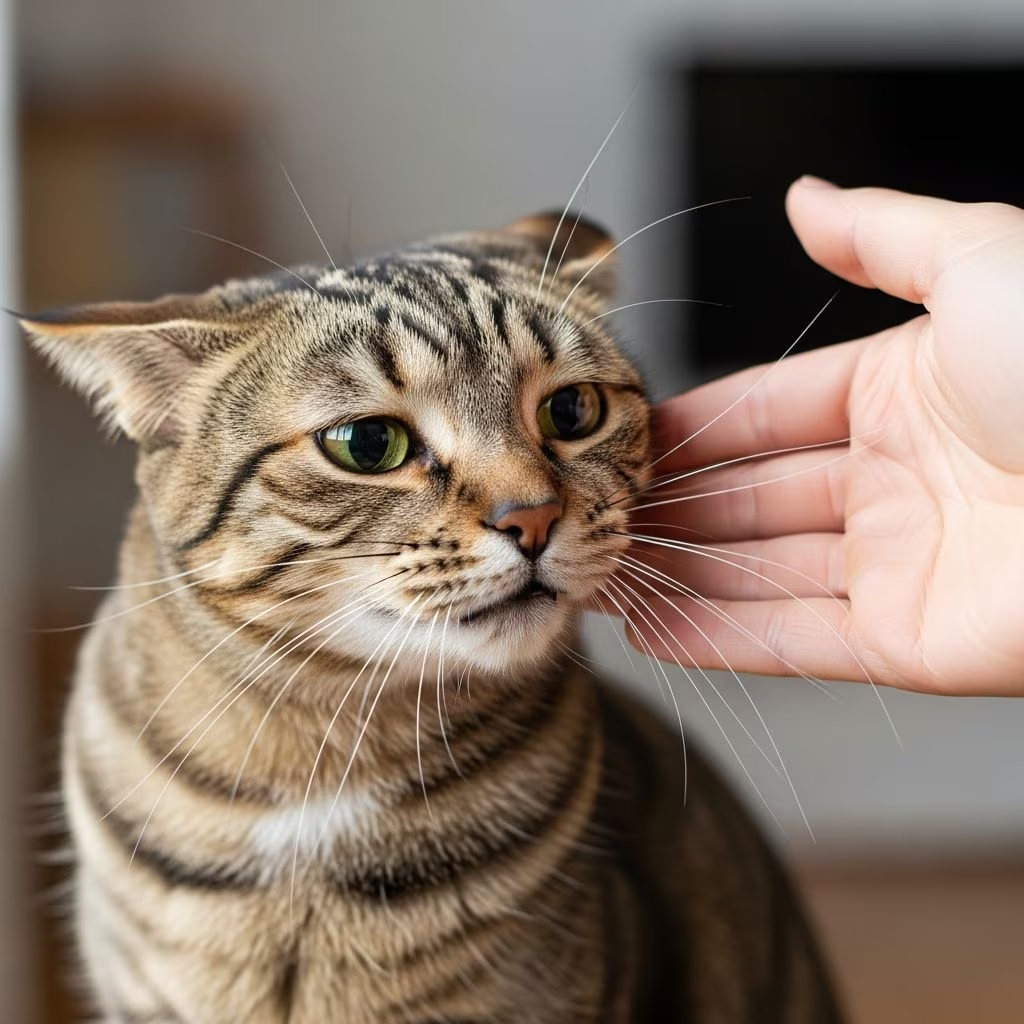
Many pets experience discomfort when handled or touched, which can stem from fear, past trauma, medical issues, or simply a lack of positive experiences. Recognizing these signs early allows pet owners to respond with empathy and appropriate techniques, preventing escalation into aggression or chronic stress. This guide covers identification, causes, gentle handling methods, desensitization processes, and professional resources to help your pet feel secure.
Signs Your Pet Discomfort with Handling or Touch
Pets communicate discomfort through subtle body language cues that, if ignored, can lead to defensive behaviors. Observing these signs helps you adjust your approach promptly.
- Body tension: Stiffening, freezing, or muscle rigidity when touched.
- Facial expressions: Lip licking, yawning, squinting eyes, flattened ears, or dilated pupils.
- Vocalizations: Whining, growling, hissing, or excessive barking.
- Avoidance behaviors: Turning away, tucking tail, crouching, or attempting to flee.
- Defensive reactions: Snapping, biting, scratching, or air snapping as a warning.
- Physiological signs: Panting, trembling, excessive salivation, or shedding.
These indicators vary by species; dogs may show whale eye (whites of eyes visible), while cats often exhibit piloerection (fur standing up) or swishing tail. Early recognition is crucial, as chronic discomfort can lead to anxiety disorders like separation anxiety, exacerbating handling issues.
Why Pets Discomfort with Handling
Understanding root causes enables targeted interventions. Common factors include:
- Past negative experiences: Abuse, rough handling, or veterinary trauma can create lasting aversions.
- Medical pain: Arthritis, injuries, or dental issues make touch painful; dogs with chronic pain may resist movement.
- Fear or anxiety: Genetic predispositions or lack of socialization heighten sensitivity.
- Sensory overload: Overstimulation from petting sensitive areas like paws, ears, or tail base.
- Species-specific traits: Cats naturally dislike restraint, feeling vulnerable when held.
For instance, shelter animals often exhibit heightened stress during handling due to unfamiliar environments, underscoring the need for calm, predictable interactions. Pain assessment scales, like those scoring from 0 (relaxed) to higher levels of distress, aid in pinpointing issues.
Gentle Handling Techniques for Pets
Minimize stress by adopting low-force methods endorsed by welfare organizations. The goal is cooperation over coercion.
- Approach calmly: Use a quiet, low-traffic area; allow acclimation time before touching.
- Start with choice: Let pets approach you; avoid chasing or cornering.
- Use positive reinforcement: Pair touch with treats or praise to build associations.
- Support naturally: For dogs, use a ‘two-handed hug’ under chest and rear; for cats, provide perches for security.
- Avoid punishment: Scolding increases anxiety; focus on rewards.
Progressive head holds for dogs, as demonstrated in handling videos, control movement with minimal restraint for safety[10]. For cats, dim lighting and Feliway pheromones reduce stress in clinics. Environmental mods like ramps for arthritic pets ease physical discomfort.
| Technique | Dogs | Cats |
|---|---|---|
| Initial Contact | Sit and invite approach | Offer perch or towel wrap |
| Restraint | Chest/rear support | Scruff lightly if needed |
| Stress Reducers | Treats, calm voice | Pheromones, quiet space |
Desensitization and Counterconditioning
For pets with moderate to severe discomfort, systematic desensitization changes emotional responses over time. This pairs low-level triggers with positive outcomes, gradually increasing intensity.
- Identify triggers: Note specific touches (e.g., paws) causing reactions.
- Start small: Touch briefly below threshold, reward immediately.
- Gradual progression: Increase duration/intensity only when relaxed; sessions daily over weeks.
- Countercondition: Use high-value treats to associate handling with pleasure.
- Monitor progress: Backtrack if signs reappear; ensure no full fear exposure.
Treatment for mild cases may resolve quickly; severe ones require professionals like Certified Applied Animal Behaviorists (CAAB) or veterinary behaviorists (Dip ACVB). Pre-departure cues for anxiety-related handling fears follow similar patterns: expose without leaving, desensitize gradually.
During sessions, maintain calm greetings; distract with commands like ‘sit’ upon return to reduce arousal. Alternative care like doggy daycare prevents isolation during training.
Managing Pets with Handling Sensitivities
Long-term management combines environment, routine, and health checks.
- Home modifications: Ramps, elevated bowls, non-slip mats for mobility-impaired pets.
- Massage therapy: Learn vet-approved techniques to relieve tension and build trust.
- Exercise and enrichment: Provide ‘jobs’ like puzzle toys to lower overall anxiety.
- Medication if needed: Veterinary behaviorists may prescribe for severe cases.
- Regular vet exams: Rule out pain; use multimodal pain control (NSAIDs, opioids).
Confinement options: Baby gates over crates if distress signs appear. Consistent routines foster security.
When to Seek Professional Help
Consult experts if:
- Behaviors persist despite home efforts.
- Aggression risks injury.
- Suspected medical pain.
- Complex anxiety present.
Professionals offer customized plans; avoid unqualified trainers. ASPCA recommends reward-based methods opposing aversive tools.
Frequently Asked Questions (FAQs)
Q: How long does desensitization take?
A: Mild cases improve in weeks; severe ones months with consistent daily sessions under guidance.
Q: Can massage help sensitive pets?
A: Yes, when done gently after vet instruction, it reduces pain and anxiety.
Q: What if my pet growls during handling?
A: Stop immediately, note triggers, start desensitization at lower intensity; seek pro if escalating.
Q: Are there tools to avoid for handling?
A: ASPCA opposes equipment causing discomfort or anxiety; use positive methods.
Q: How to handle cats that hate being picked up?
A: Use perches, towel scruff sparingly, pheromones; allow choice.
Q: Is pain always the cause of touch aversion?
A: No, but rule it out; fear or poor socialization common.
This comprehensive approach empowers owners to transform handling discomfort into positive interactions, enhancing pet welfare and human-animal bonds.
References
- Separation Anxiety | ASPCA — ASPCA. Accessed 2026. https://www.aspca.org/pet-care/dog-care/common-dog-behavior-issues/separation-anxiety
- Detecting and Managing Pain in Dogs | ASPCA® Pet Health Insurance — ASPCA Pet Health Insurance. Accessed 2026. https://www.aspcapetinsurance.com/resources/detecting-and-managing-pain-in-dogs/
- Recognizing and Managing Pain – San Francisco SPCA — SF SPCA. Accessed 2026. https://www.sfspca.org/resource/recognizing-and-managing-pain-3/
- Position Statement on Training Aids and Methods – ASPCA — ASPCA. Accessed 2026. https://www.aspca.org/about-us/aspca-policy-and-position-statements/position-statement-training-aids-and-methods
- Shelter Guidelines: Animal Handling – ASPCApro — ASPCApro. 2011-09-27. https://www.aspcapro.org/sites/default/files/aspca_asv_animal_handling_slides.pdf
- Position Statement on Companion Animal Handling and Restraint — BC SPCA. Accessed 2026. https://spca.bc.ca/programs-services/leaders-in-our-field/position-statements/position-statement-on-companion-animal-handling-and-restraint/



