

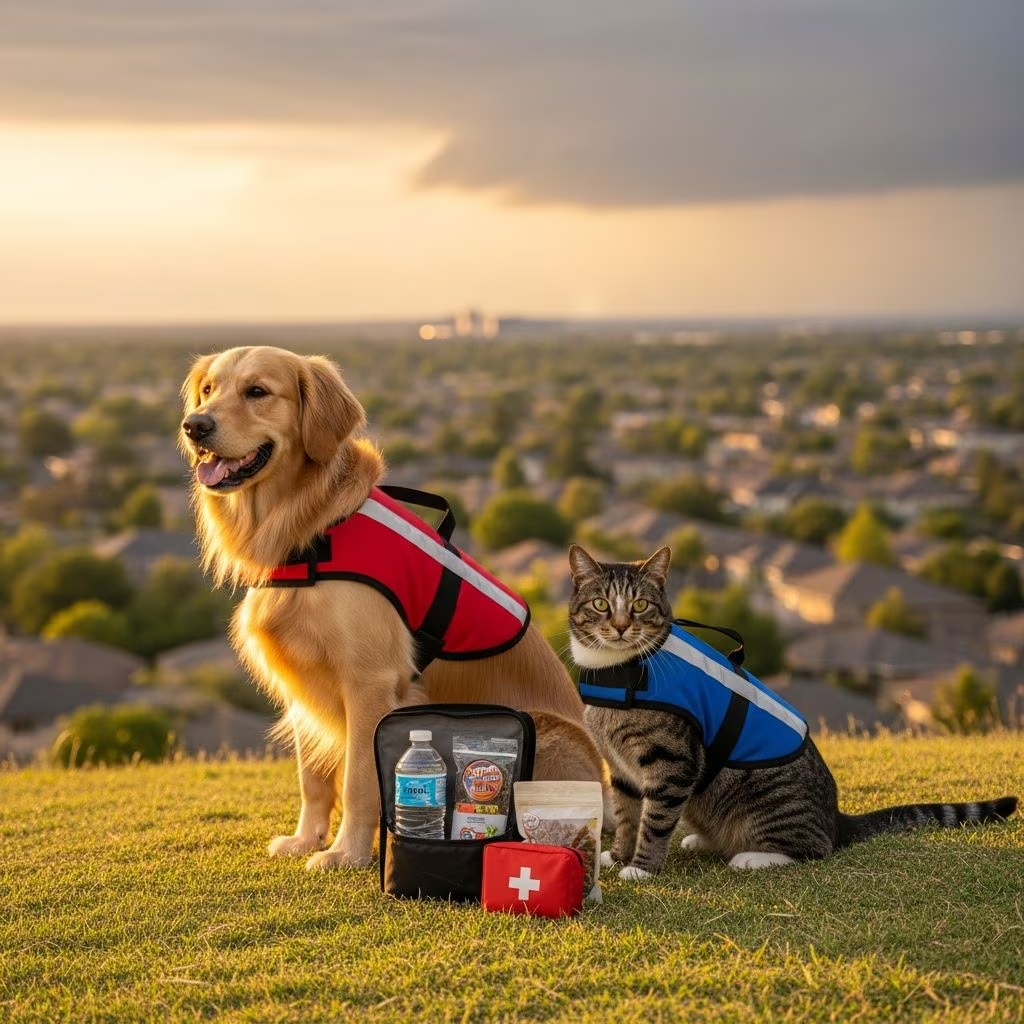
Protecting pets during crises requires proactive planning. Disasters like floods, wildfires, hurricanes, and earthquakes can strike unexpectedly, endangering animals left unprepared. This guide outlines essential steps for building emergency kits, developing evacuation strategies, securing home safe zones, and aiding post-disaster recovery, drawing from authoritative recommendations to ensure your pets’ safety.
Understanding Disaster Risks for Pets
Pets face unique vulnerabilities in emergencies. Unlike humans, they cannot evacuate independently and may panic, leading to escapes or injuries. Common threats include extreme weather, power outages, contaminated water, and separation from owners. Statistics from emergency response agencies highlight that unprepared pets often suffer dehydration, starvation, or trauma when owners evacuate without them.
Assess local risks: coastal areas prone to hurricanes need flood-proof plans, while wildfire zones require air quality monitoring tools. Livestock owners must consider larger-scale evacuations, mapping routes to holding facilities. Start by reviewing community hazard maps from local government sites.
Assembling Your Pet Emergency Kit
A well-stocked kit is the foundation of pet preparedness. Aim for supplies lasting 7-14 days, stored in waterproof containers and rotated biannually to maintain freshness. Customize based on pet type—dogs need leashes, cats require litter, birds demand seed and covers.
- Food and Water: 7-14 days’ dry or canned food (with manual opener), non-spill bowls, and 1 gallon extra water per pet for decontamination.
- Identification and Transport: Collars with ID tags, microchip info, extra leashes/harnesses, sturdy carriers allowing pets to stand/turn/lie.
- Health Essentials: Vet records, 2-week medication supply, first-aid kit (bandages, antiseptic, tweezers), flea/tick preventives.
- Comfort and Sanitation: Blankets, toys, litter box/scoop/bags, waste disposal tools, recent photos for lost posters.
- Special Needs: Muzzles for aggressive dogs, pillowcases for cats, cage liners for small pets.
| Pet Type | Kit Additions |
|---|---|
| Dogs | Extra leash, chew toys, tie-out stake |
| Cats | Scoopable litter, disposable trays |
| Livestock | Trailers, halters, feed troughs |
| Small Animals/Birds | Travel cages, seed, heating pads |
Include human kit crossovers like flashlights, batteries, and radios for coordinated response.
Developing an Evacuation Strategy
Never leave pets behind—if unsafe for you, it’s unsafe for them. Pre-identify pet-friendly hotels, kennels, or shelters along evacuation routes. Many public shelters exclude pets, so compile a list of alternatives: vet clinics, boarding facilities, friends’ homes.
Practice drills: Load pets into carriers, drive test routes, and simulate loading livestock trailers. Ensure vehicles are fueled and trailers roadworthy. For horses, keep halters at gates and post contact info visibly. Map primary/secondary routes avoiding flood-prone areas.
- Boarding backups: Contact 3-5 options yearly to confirm policies.
- Livestock logistics: Arrange handlers/drivers; train animals for transport.
- Multi-pet households: Assign family roles for gathering/loading.
Monitor alerts via NOAA weather radio or apps for real-time shelter openings.
Creating Safe Home Shelters
Shelter-in-place may be necessary if evacuation isn’t viable. Select interior rooms without windows: bathrooms, basements, or utility areas with water access. Fill tubs/sinks pre-storm for backups during outages.
Pet-proof the space: Seal vents/pet doors with plastic/tape, remove toxins/tools, block hiding spots. Stock with kits, crates, and waste management. Keep pets leashed/carried indoors during warnings.
- Air quality: Use HEPA filters for smoke; monitor indices online.
- Power loss: Battery fans, glow sticks for visibility.
- Group safety: Confine pets together to reduce stress/separation.
Special Considerations for Livestock and Farm Animals
Larger animals demand scaled planning. Secure trailers, fuel, and drivers in advance. Identify pastures or fairgrounds as temporary sites. Post emergency contacts at barns; microchip where possible.
For poultry/rabbits, use ventilated crates. Ensure water troughs are elevated from floods. During events, release confined birds if fires approach, but recapture post-event.
Post-Disaster Recovery and Reunification
Aftermath brings hazards like debris, chemicals, and displaced animals. Inspect pets for injuries; avoid contaminated water/food. Use first-aid kits and contact vets promptly.
Report lost pets to shelters/animal control with photos/microchip details. Distribute flyers; check online databases. For recovery, provide familiar items to ease stress. Decontaminate exposed pets thoroughly.
Frequently Asked Questions (FAQs)
What if my pet is microchipped?
Microchips aid reunification but require scanner access and registration updates. Pair with visible ID tags.
How often should I update my kit?
Every 6 months: Check expiration dates on food/meds; test carriers.
Are there pet-friendly disaster apps?
Yes, FEMA and Red Cross apps provide alerts/shelter locators.
What about service animals?
They must accompany owners; public shelters accommodate them legally.
Can I leave pets in cars during evacuations?
No—extreme temperatures pose fatal risks. Use carriers in vehicles.
Actionable Checklist for Immediate Prep
- Inventory current supplies and gaps.
- Update ID/microchips/vaccinations.
- Map routes/contact 5 safe havens.
- Practice full evacuation twice yearly.
- Store kits in accessible vehicles/home.
References
- Pet Disaster Plan – Animal Services — San Diego County Animal Services. 2023. https://www.sddac.com/content/sdc/das/adopt/care/pet_disaster_plan.html
- Disaster Preparedness | ASPCA — ASPCA. 2024-06-11. https://www.aspca.org/pet-care/general-pet-care/disaster-preparedness
- Build a Pet Disaster Preparedness Kit – CDC — Centers for Disease Control and Prevention. 2024. https://www.cdc.gov/healthy-pets/emergency-preparedness/preparedness-kit.html
- Pet Emergency Plan and Disaster Preparedness — Humane World. 2023. https://www.humaneworld.org/en/resources/pet-disaster-preparedness
- PET EVACUATION KIT — American Veterinary Medical Association. 2023-11. https://www.avma.org/sites/default/files/2023-11/aph-pet-evacuation-kit-checklist.pdf
- Pet Preparedness – The City of Berkeley — City of Berkeley. 2022-04. https://berkeleyca.gov/sites/default/files/2022-04/Pet-Preparedness.pdf
- Pet Disaster Preparedness & Recovery | American Red Cross — American Red Cross. 2024. https://www.redcross.org/get-help/how-to-prepare-for-emergencies/pet-disaster-preparedness.html



