

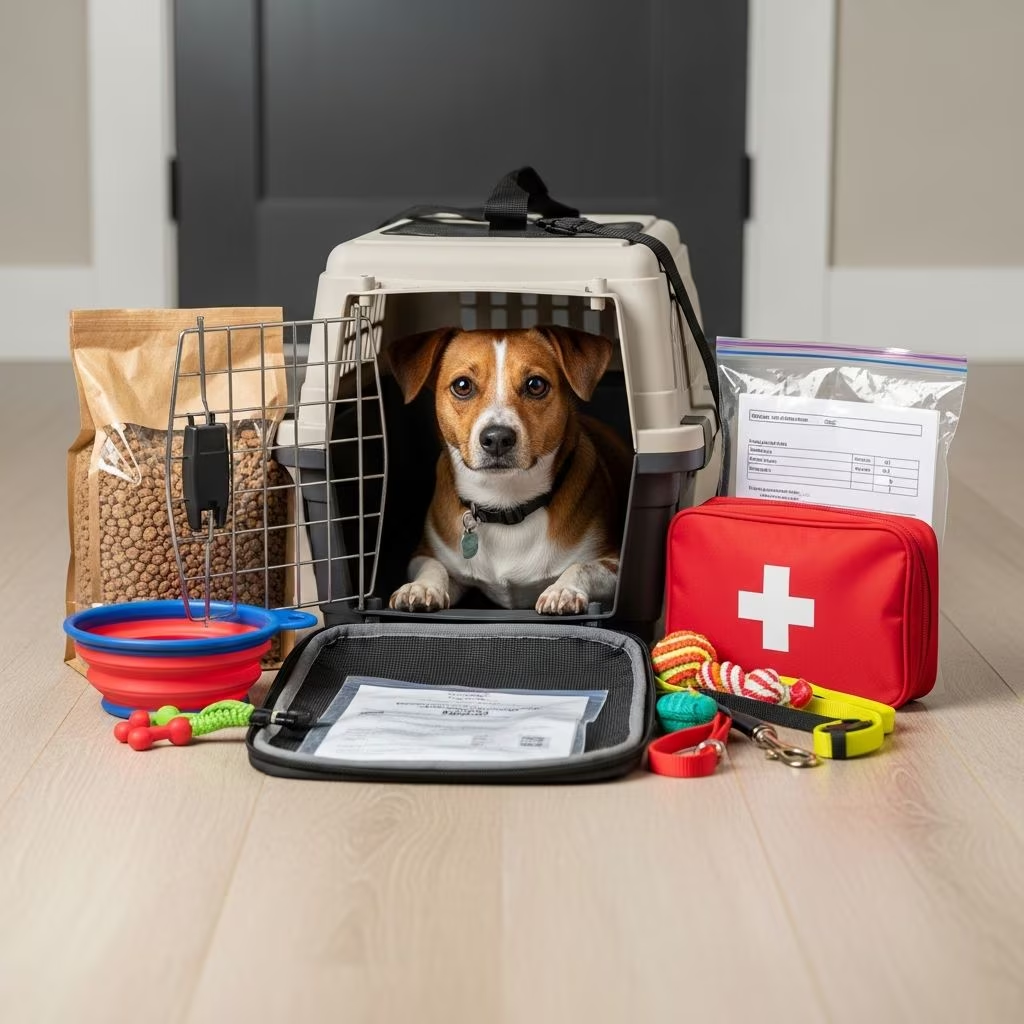
Disasters strike without warning, from hurricanes and floods to wildfires and earthquakes. Protecting your pets requires proactive planning to ensure their safety alongside your family. The ASPCA emphasizes that if it’s not safe for you, it’s not safe for your pets—never leave them behind. This guide outlines essential steps, including rescue alerts, safe havens, emergency supplies, and species-specific advice to help you prepare effectively.
Step 1: Get a Rescue Alert Sticker
The first and simplest step in pet disaster preparedness is obtaining a rescue alert sticker. This visible marker informs first responders that pets are inside your home during an emergency. Place it on or near your front door where rescue workers can easily see it. Include the number and types of pets, plus your veterinarian’s name and contact number for quick reference.
If evacuation is possible, cross out or write “EVACUATED” across the sticker to prevent unnecessary searches. The ASPCA provides free emergency pet alert stickers via an online order form—allow 6-8 weeks for delivery. Local pet supply stores often carry similar products. This small action can be lifesaving, as pets left behind risk entrapment or exposure to hazards.
Step 2: Arrange a Safe Haven
Never leave pets behind in a disaster; if it’s unsafe for humans, it’s deadly for animals. Plan evacuation destinations in advance, as not all shelters accept pets. Identify pet-friendly options such as:
- Pet-friendly hotels or motels (call ahead to confirm policies).
- Boarding kennels or veterinary clinics with emergency space.
- Friends or family members willing to host you and your pets.
- Local animal shelters or designated pet relief areas set up by authorities.
Compile a list with addresses, phone numbers, and evacuation policies. Store copies in your emergency kit, phone, and vehicle. ASPCA recommends having multiple options and confirming transportation methods, like extra leashes near exits for quick grabs.
Ask your veterinarian and pet sitter about their evacuation plans, especially if pets are in their care during a crisis. Ensure all family members know the plan to avoid confusion.
Step 3: Stay Informed About Your Community’s Disaster Response Plan
Local authorities provide critical updates on evacuation routes, shelter locations, and pet policies. Sign up for community alert systems, such as text notifications or apps from emergency management agencies. Know your area’s disaster response plan, including pet-friendly shelters and animal control contacts.
During warnings, monitor radio, TV, or official apps. Bring pets indoors immediately at the first sign of trouble—pets can become disoriented and flee. Designate safe rooms in your home, like bathrooms, utility areas, or basements, away from windows and debris. Fill bathtubs and sinks with water for access during power outages.
Step 4: Prepare Emergency Supplies and Traveling Kits
Assume any evacuation could last weeks, not days. Prepare an “Evac-Pack” stored near an exit, labeled clearly, and known to all family members. Rotate food and meds every two months to keep them fresh. Essential items include:
- Food and Water: 7-10 days of canned (pop-top) or dry food; at least 7 days of bottled water per person and pet (replace every 2 months).
- Medical Supplies: Pet first-aid kit (consult vet), 2-week supply of medications in waterproof container, photocopies/USB of medical records, vet contacts.
- Identification: Extra collar/harness/leash, recent pet photos for lost posters, microchip info.
- Carriers: Sturdy crate or carrier per pet, labeled with pet’s name, your info, and medical notes (use permanent marker).
- Sanitation: Disposable litter trays (e.g., aluminum pans), litter/paper toweling, dish soap, disinfectant, garbage bags.
- Comfort: Blanket, flashlight, feeding bowls, toys.
- Human Kit Items: Batteries, radio, multi-tool, tarp, cash, medications, important documents.
For multi-pet households, scale supplies accordingly. Keep leashes by every exit.
Species-Specific Supplies
Tailor kits to your pet’s needs for better outcomes:
| Pet Type | Recommended Items |
|---|---|
| Dogs | Extra leash, toys, chew toys, 7 days’ cage liner (newspaper), yard stake, long leash. |
| Cats | Pillowcase or evacsack, scoopable litter, small litter pan, toys, blanket. |
| Birds | Catch net, heavy towel, cuttlebone, cage cover (blanket/sheet), cage liner. |
| Small Animals (e.g., Rabbits, Rodents) | Salt lick, extra water bottle, hide box/tube, 7 days’ bedding. |
| Reptiles | Pillowcase/evacsack, warming device (hot water bottle/heating pad), soaking dish. |
| Horses/Livestock | Familiar bedding/toys, battery-operated fans for cooling, masks/gloves/hand sanitizer for owners. |
Include comfort items like favorite toys or bedding to reduce stress.
Additional Preparedness Tips
Ensure pets have up-to-date ID: collars with tags (name, phone, microchip number, medical alerts), licenses, and microchips. Train pets to enter carriers willingly. Practice evacuation drills. For fires or wildfires, have a specific plan covering fireplaces to house fires.
Post “NO PETS LEFT BEHIND” notes if evacuating without them (last resort). Use a buddy system with neighbors for mutual aid. Pet insurance can cover post-disaster vet bills.
Frequently Asked Questions (FAQs)
What should I do first in pet disaster prep?
Get a rescue alert sticker and place it visibly on your home.
Can I leave pets behind during evacuation?
No—never leave pets behind; they face life-threatening risks.
How much food/water for the emergency kit?
7-10 days for food, 7 days bottled water per pet/person.
What if shelters don’t allow pets?
Pre-arrange pet-friendly hotels, friends, or boarding.
Species-specific tips for birds/reptiles?
Birds: catch net, cage cover; Reptiles: warming devices.
Preparation saves lives. Act now to safeguard your pets.
References
- Disaster Preparedness | ASPCA — ASPCA. 2023. https://www.aspca.org/pet-care/general-pet-care/disaster-preparedness
- Disaster Plan For Pets | ASPCA® Pet Health Insurance — ASPCA Pet Health Insurance. 2024. https://www.aspcapetinsurance.com/resources/disaster-plan-for-pets/
- ASPCA pet preparedness full page [PDF] — ASPCA. 2020. https://www.aspca.org/sites/default/files/upload/images/aspca_pet_preparedness_full_page.pdf
- Disaster Preparedness Checklist for Pet Safety – ASPCA [PDF] — ASPCA. 2020. https://www.aspca.org/sites/default/files/disaster-preparedness-checklist_2020_print.pdf
- Pet Disaster Preparedness Guide: Be Ready, Stay Safe — ASPCApro. 2023. https://www.aspcapro.org/resource/pet-disaster-preparedness-guide-be-ready-stay-safe
- Pet Disaster Preparedness & Recovery | American Red Cross — American Red Cross. 2024. https://www.redcross.org/get-help/how-to-prepare-for-emergencies/pet-disaster-preparedness.html



