
Pet Dental X-Rays: Essential Insights
Discover why dental X-rays are vital for uncovering hidden oral issues in dogs and cats, ensuring better health outcomes.
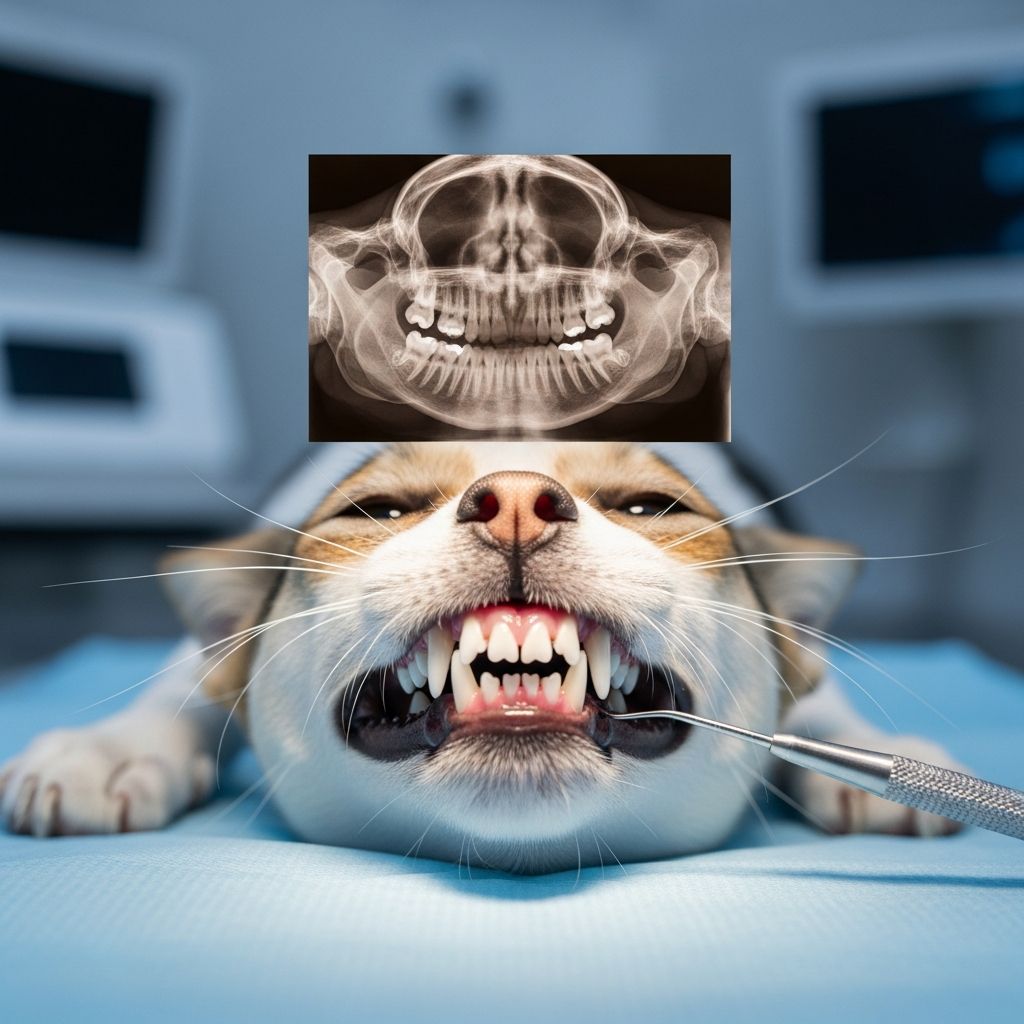
Dental X-rays represent a cornerstone of modern veterinary dentistry, offering a window into the unseen world beneath a pet’s gums. While surface-level exams reveal obvious problems like plaque buildup or broken teeth, over 60% of each tooth structure remains hidden below the gumline, where serious conditions often develop undetected. These imaging tools allow veterinarians to diagnose issues early, preventing pain, tooth loss, and even systemic health complications in dogs and cats.
The Hidden Dangers Lurking Below the Gumline
Pets rarely show outward signs of dental distress. Dogs and cats mask pain effectively, continuing to eat and play despite severe underlying problems. A routine visual inspection misses critical pathology in the roots, jawbone, and surrounding tissues. For instance, periodontal disease—the most common oral issue in pets—starts with bacterial buildup that erodes bone support around teeth. Without X-rays, this bone loss goes unnoticed until teeth loosen or abscesses form.
Consider fractured teeth, frequent in dogs that chew rocks or hard toys. The crown might appear intact, but X-rays expose cracks extending into the root, leading to infections if untreated. Tooth resorption, prevalent in cats, dissolves tooth structure painlessly at first, only becoming evident through imaging. These silent threats underscore why X-rays are indispensable for comprehensive care.
Key Conditions Revealed by Pet Dental Imaging
Dental X-rays illuminate a range of problems invisible to the naked eye. Here’s a breakdown of common findings:
- Root Abscesses: Pus pockets at tooth roots from untreated infections, causing swelling and pain.
- Bone Loss: Advanced periodontal disease erodes jawbone, destabilizing teeth.
- Tooth Fractures: Slabs fractures or root damage from trauma, often asymptomatic initially.
- Tooth Resorption: Progressive breakdown, especially in felines, mimicking normal roots on exam.
- Retained Deciduous Teeth: Baby teeth blocking adult eruption in young pets, leading to misalignment.
- Tumors and Fractures: Jaw abnormalities or growths requiring prompt intervention.
These diagnostics shift treatment from guesswork to precision, improving recovery rates and pet comfort.
Benefits of Routine Dental Radiography
Incorporating X-rays into annual dental cleanings yields multiple advantages. Early detection halts disease progression, preserving teeth and averting costly surgeries. Veterinarians gain a full-mouth assessment under anesthesia, when pets are still, ensuring accurate images.
| Benefit | Description | Impact on Pet Health |
|---|---|---|
| Early Detection | Identifies issues before symptoms appear | Prevents pain and complications |
| Precision in Surgery | Guides extractions and repairs | Minimizes trauma to tissues |
| Progress Monitoring | Tracks chronic conditions like periodontitis | Adjusts care for long-term success |
| Systemic Health Link | Links oral bacteria to organ risks | Reduces heart/kidney disease odds |
Digital X-rays, now standard, deliver high-resolution views with minimal radiation—safer than older film methods. They also educate owners, showing tangible evidence of issues to motivate home care like brushing.
When Are X-Rays Recommended?
Not every visit requires imaging, but guidelines are clear. Perform full-mouth X-rays during initial dental cleanings and annually thereafter, akin to human checkups adjusted for pets’ shorter lifespans—one dog year equals 5-7 human years. Trigger exams for signs like:
- Bad breath or drooling
- Missing, discolored, or broken teeth
- Swollen gums or facial swelling
- Difficulty eating or pawing at mouth
- Oral masses or growths
Senior pets, small breeds like Chihuahuas prone to dental crowding, and cats over 5 years old benefit most, as disease prevalence rises with age. Puppies and kittens warrant checks for developmental anomalies.
The Procedure: What to Expect
Pet dental X-rays occur under general anesthesia for safety and image clarity. Vets position a small digital sensor in the mouth, capturing parallel or bisecting-angle views of each tooth. The process takes minutes per quadrant, with instant results on-screen for real-time decisions.
Post-procedure, owners receive charts detailing findings, often with before-and-after images. Recovery is swift; pets resume normal activity same-day. Costs vary by clinic and case complexity but pale against untreated disease expenses.
Systemic Health Connections
Oral bacteria don’t stay local—they enter the bloodstream, seeding distant organs. Chronic dental infections correlate with heart valve endocarditis, kidney damage, and liver issues in pets. X-rays enable root-cause treatment, curbing bacterial spread and enhancing lifespan quality.
For example, severe periodontitis shown via bone loss arrows on X-rays prompts aggressive cleanings and antibiotics, directly alleviating joint pain sometimes misattributed to arthritis. This holistic view ties dental care to overall wellness.
Home Care Synergy with Professional Imaging
X-rays complement daily routines. Vets use images to tailor plans: prescribe special diets for resorption-prone cats or recommend toys avoiding fractures. Owners, armed with visuals, commit to brushing with enzymatic toothpaste, reducing future plaque.
Annual protocols—cleaning, X-rays, and polishing—form a preventive shield. Breeds like Dachshunds or Persians, genetically susceptible, thrive under this regimen.
Addressing Common Concerns
Radiation fears are unfounded; digital doses are negligible, far below harmful levels, with protective lead shielding standard. Anesthesia risks exist but are mitigated by pre-op bloodwork and monitoring, far outweighed by benefits of addressing silent pain.
Insurance often covers portions, and early intervention saves money long-term by avoiding extractions or hospitalizations.
FAQs on Pet Dental X-Rays
Q: How often should my dog or cat get dental X-rays?
A: At least yearly during cleanings, or sooner with symptoms. Seniors may need biannual checks.
Q: Are dental X-rays safe for pets?
A: Yes, digital tech minimizes exposure; benefits vastly exceed risks.
Q: What if my pet shows no dental signs?
A: Hidden issues affect 80% of pets over 3 years; proactive imaging prevents escalation.
Q: Do all vets perform dental X-rays?
A: Seek those with digital radiography for best results; it’s a gold standard.
Q: Can X-rays detect cancer?
A: Yes, they reveal oral tumors and jaw irregularities early.
Choosing the Right Veterinary Practice
Select clinics with dedicated dental suites, trained technicians, and digital systems. Ask about full-mouth protocols and owner education sessions. Proactive dentistry transforms pet lives, turning potential suffering into preventable wellness.
References
- 8 Benefits of Dental X-rays for Pets — Florence Animal Hospital. 2023. https://florenceah.com/8-benefits-of-dental-xrays-for-pets/
- The Importance of Dental X-rays in Dogs — VCA Animal Hospitals. 2024. https://vcahospitals.com/know-your-pet/the-importance-of-dental-x-rays-in-dogs
- Dental X-rays And Their Benefit To Your Pet’s Health — Goodheart Animal Hospital. 2023. https://goodheartcherrycreek.com/blog/dental-x-rays-and-their-benefit-to-your-pets-health
- The Importance of Dental X-Rays for Pets — WellPets. 2024. https://www.wellpets.com/blog/the-importance-of-dental-x-rays-for-pets/
- Understanding Pet Dental X-Rays and Their Benefits — Ark Animal Hospital. 2023. https://www.arkanimalnola.com/blog/understanding-pet-dental-xrays-and-their-benefits
- Dental Radiographs for Pets: Why They Matter for Oral Health — Ridgeline Veterinary Clinic. 2024. https://www.ridgelinevetclinic.com/blog/dental-radiographs-for-pets-why-they-matter-for-oral-health
Similar Articles








Read full bio of medha deb


