
Pet Dental Procedures: 6 Essential Steps For Safe Care
Discover the complete process of professional pet dental care, from preparation to recovery, ensuring your furry friend's oral health.
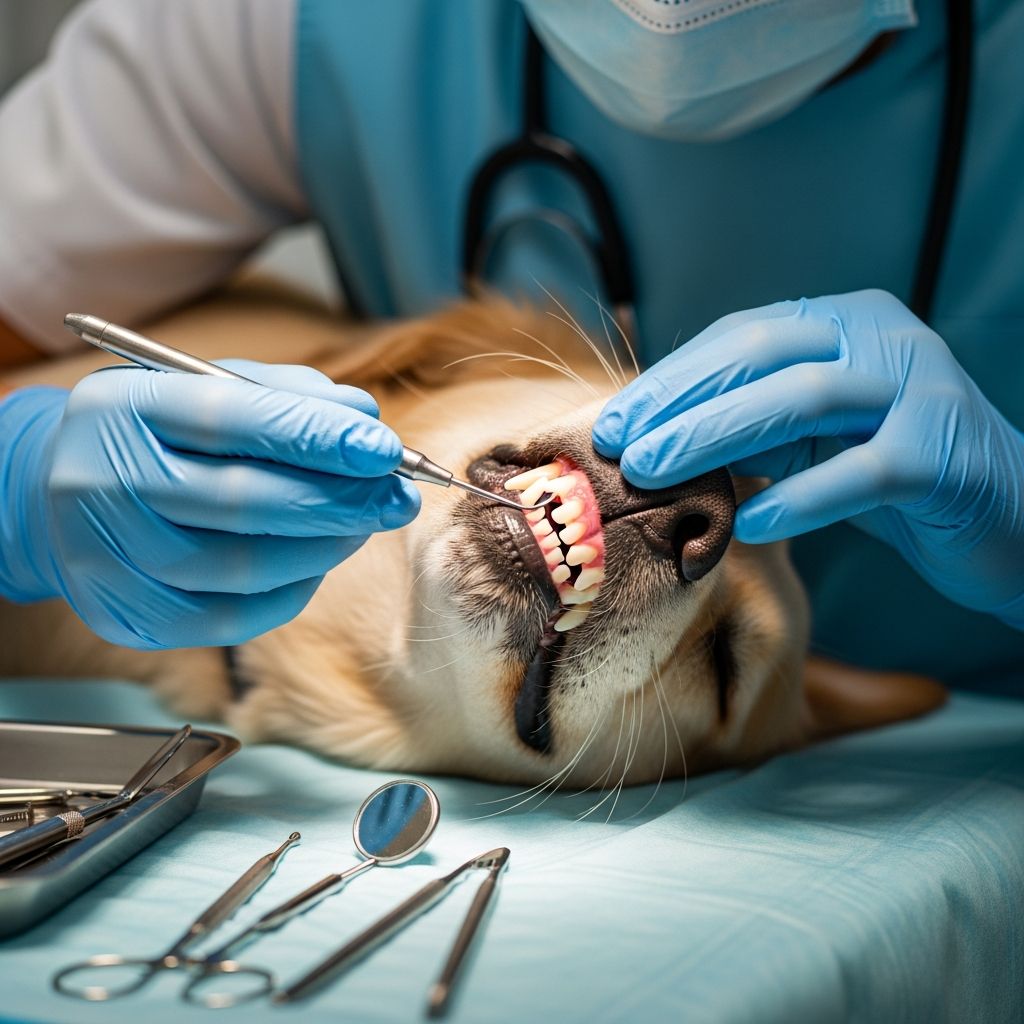
Professional dental care for pets involves a structured process to address oral health issues like plaque buildup, gum disease, and tooth decay. These procedures, typically performed under general anesthesia, ensure thorough cleaning and treatment while prioritizing safety and comfort.
Why Pets Need Professional Dental Care
Unlike humans, pets cannot tolerate awake dental cleanings due to the need for subgingival cleaning and detailed examinations. Periodontal disease affects over 80% of dogs and cats by age three, leading to pain, infections, and potential systemic health risks if untreated. Regular professional interventions prevent these issues and extend pet lifespan.
Common signs prompting a dental visit include bad breath, loose teeth, discolored tartar, pawing at the mouth, or difficulty eating. Early detection through vet exams allows for preventive measures before advanced disease sets in.
Initial Assessment and Preparation
The journey begins with a comprehensive pre-procedure evaluation. Veterinarians review the pet’s medical history, including behavioral notes and prior records, to identify risks. A physical exam checks gait, joint comfort, and overall candidacy for restraint or anesthesia.
Bloodwork assesses liver, kidney function, and blood cell counts to ensure anesthesia safety. This step, often done days prior, flags issues like organ dysfunction. Owners receive instructions: fasting 12 hours before, withholding water if specified, and providing health updates.
- Medical history review: Charts, owner forms, and vet consultations.
- Physical checks: Symmetry, swelling, pain in extra-oral areas.
- Oral pre-exam: Visual tooth and gum inspection for calculus and pockets.
Anesthesia: The Foundation of Safe Procedures
General anesthesia is essential for complete access to the mouth without stress or movement. Pre-medication calms the pet, followed by induction agents to relax jaw muscles for intubation. An endotracheal tube delivers oxygen and isoflurane gas, allowing precise control of anesthetic depth.
Monitoring is continuous: heart rate, respiration, temperature, blood pressure, and oxygen saturation ensure stability. IV fluids maintain hydration, and local blocks numb extraction sites for pain control. Recovery involves extubation once swallowing reflexes return, with close observation.
| Monitoring Parameter | Purpose |
|---|---|
| Heart rate & ECG | Detect arrhythmias |
| Respiratory rate | Ensure adequate breathing |
| Blood pressure | Prevent hypotension |
| Oxygen levels | Maintain saturation |
| Temperature | Avoid hypothermia |
Core Cleaning and Examination Steps
Once anesthetized, full-mouth radiographs reveal hidden issues like root abscesses or fractures—68 roots in dogs, 42 in cats. Teeth scaling follows: ultrasonic tools remove supra-gingival plaque and tartar, followed by hand instruments for sub-gingival areas.
Six-point periodontal probing measures pocket depths to diagnose disease stages. Crown polishing with pumice smooths enamel, reducing future buildup. An oral rinse with chlorhexidine flushes debris, completing the prophylaxis.
- Extra-oral exam: Symmetry and pain assessment.
- Intra-oral radiography: Full imaging.
- Scaling: Above and below gumline.
- Probing: Depth measurements.
- Polishing: Surface smoothing.
- Rinsing: Debris removal.
Addressing Dental Pathologies
Beyond cleaning, vets treat issues like mobile teeth or masses. Extractions involve local anesthesia, careful tooth removal, flap creation, and suturing for healing. Pain meds—opioids, NSAIDs, locals—maximize comfort pre- and post-op.
Abnormalities noted on charts include fractures, resorptive lesions, or tumors requiring biopsy. Treatment plans, developed with owners, outline extractions, home care, and recalls.
Post-Procedure Care and Recovery
After treatment, vets re-examine for retained calculus, finalize charts, and discuss findings with owners. Discharge includes pain meds, antibiotics if needed, and soft food diets. Recovery monitoring ensures stability before home-going.
Home care starts immediately: brushing with enzymatic toothpaste, dental chews, and water additives reduce plaque. Annual or bi-annual cleanings maintain results.
Common Dental Issues in Pets
- Periodontitis: Gum inflammation leading to bone loss.
- Tooth resorption: Common in cats, causing pain.
- Fractures: From chewing hard objects.
- Oral masses: Benign or malignant growths.
Preventive Strategies for Long-Term Oral Health
Daily brushing is most effective, using pet-safe products. Prescription diets, chews, and rinses control tartar. Regular vet checks catch issues early.
Owners should schedule conscious oral exams yearly, escalating to full procedures as needed.
FAQs
Is anesthesia safe for pet dental cleanings?
Yes, with pre-op bloodwork and monitoring, risks are minimized. Modern protocols make it safer than untreated disease.
How often should pets get dental cleanings?
Depends on health; typically yearly for adults, more for disease-prone pets.
What if my pet resists home brushing?
Start slow with finger brushes or gauze, using tasty pastes. Alternatives like chews help.
Do dental procedures hurt my pet?
No, multi-modal pain control ensures comfort throughout.
Can small dogs have dental issues?
Yes, crowded teeth increase risks; all breeds benefit from care.
Choosing a Vet for Dental Services
Seek AAHA-accredited practices with dental radiography and trained staff. Ask about protocols, monitoring, and post-op plans.
References
- Steps and Procedures – National Pet Dental Association — National Pet Dental Association. 2023. http://nationalpetdentalassociation.com/veterinarians/steps-and-procedures/
- Step by Step Description of a Dental Cleaning — Dogwood Vet Clinic. 2024. https://www.dogwoodvetclinic.com/step-by-step-description-of-a-dental-cleaning/
- From Cleaning to Surgery: A Guide to Pet Dental Procedures — Houston Pet Dentals. 2025. https://houstonpetdentals.com/blog/pet-dental-procedures/
- 2019 AAHA Dental Care Guidelines for Dogs and Cats — American Animal Hospital Association (AAHA). 2019-01-01. https://www.aaha.org/resources/2019-aaha-dental-care-guidelines-for-dogs-and-cats/essential-steps/
- Step-by-Step: Preparing for Your Pet’s Dental Cleaning Visit — Valley View Animal Hospital. 2024. https://vvhvet.com/blog/1387926-step-by-step-preparing-for-your-pets-dental-cleaning-visit
Similar Articles








Read full bio of Sneha Tete


