

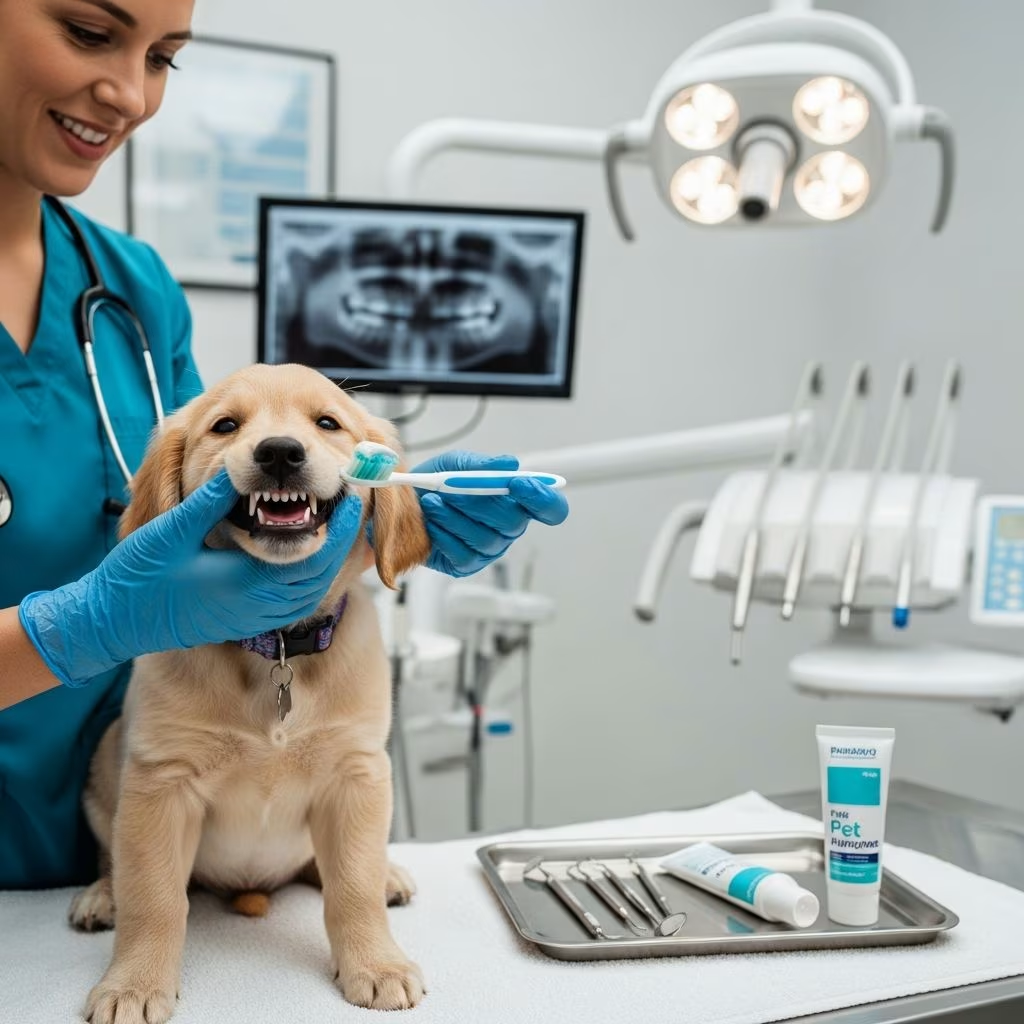
Maintaining excellent oral health is crucial for pets’ overall vitality, as dental issues can lead to pain, infections, and systemic health problems. Regular care routines at home combined with professional interventions help prevent plaque buildup, gum disease, and tooth loss in dogs and cats.
Why Oral Hygiene Matters for Your Pet
Pets suffer from dental problems at high rates, with up to 80% of dogs and 70% of cats showing signs of periodontal disease by age three. Poor oral health contributes to bad breath, difficulty eating, and potential spread of bacteria to organs like the heart and kidneys. Proactive measures reduce these risks and improve quality of life.
- Prevents painful conditions like gingivitis and periodontitis.
- Supports proper nutrition by ensuring comfortable chewing.
- Lowers veterinary costs from advanced treatments.
Recognizing Common Signs of Dental Distress
Early detection allows timely intervention. Watch for these indicators during daily interactions:
- Persistent foul breath not improved by treats.
- Discolored tartar on teeth, especially at the gumline.
- Red, swollen, or bleeding gums.
- Loose or missing teeth, or reluctance to play with toys.
- Excessive drooling, pawing at the mouth, or facial swelling.
If noticed, schedule a vet exam promptly, as untreated issues progress rapidly below the gumline where they’re invisible.
Building an Effective At-Home Dental Routine
Daily habits form the foundation of prevention. Start slow to build pet acceptance.
Mastering the Art of Tooth Brushing
Brushing removes plaque most effectively. Use enzymatic toothpaste formulated for pets—never human varieties, which can be toxic. Select a soft finger brush, gauze-wrapped finger, or small pet toothbrush.
- Gently lift lips to expose teeth.
- Apply a pea-sized amount of toothpaste.
- Brush outer surfaces in circular motions for 30 seconds per side, focusing on molars.
- Reward immediately with praise or a treat.
Aim for daily sessions; even 3-4 times weekly yields benefits. Cats may need patience and vertical brushing techniques.
Incorporating Dental Diets and Chews
Specialized kibble and treats mechanically scrape tartar. Look for Veterinary Oral Health Council (VOHC) approved products.
| Product Type | Benefits | Suitable For |
|---|---|---|
| Dental Kibble | Reduces plaque by 20-30% with texture | Dogs & Cats |
| Enzymatic Chews | Breaks down bacteria enzymatically | Dogs primarily |
| Rawhide Alternatives | Abrades tartar safely | Supervise use |
Combine with brushing for optimal results; chews alone insufficient.
Water Additives and Rinses
Additives with chlorhexidine or enzymes control bacteria between brushes. Pour into water bowl daily. Effective for hard-to-brush pets.
Professional Dental Cleanings: What to Expect
Annual vet checks are standard, but cleanings under anesthesia probe deeper issues.
- Pre-op bloodwork ensures anesthesia safety.
- Full-mouth X-rays reveal hidden abscesses or roots (dogs have 68 roots, cats 42).
- Scaling removes tartar above and below gums.
- Polishing smooths enamel; fluoride strengthens teeth.
- Extractions if needed, with pain management.
Post-procedure, follow personalized plans including antibiotics if infection present.
Tailoring Care for Dogs Versus Cats
Anatomy differs: dogs need robust chew promotion; cats prone to resorptive lesions.
| Aspect | Dogs | Cats |
|---|---|---|
| Brushing Frequency | Daily feasible | 3x/week, use gel |
| Common Issues | Tartar, fractures | Stomatitis, resorption |
| Chew Preference | Large, durable | Small, soft |
Consult vets for breed-specific advice, e.g., small dogs higher risk.[10]
Nutrition’s Role in Oral Wellness
Diet impacts dental health profoundly. Avoid soft foods promoting plaque; opt for crunchier options. Omega-3s reduce inflammation; antioxidants fight bacteria. Fresh water flushes debris.
Advanced Interventions and When Needed
For severe cases: root planing, orthodontics, or surgery. Pain meds and antibiotics aid recovery. Regular monitoring prevents recurrence.
FAQs on Pet Dental Care
Can I use human toothpaste on my pet?
No—fluoride and xylitol are toxic. Stick to pet-specific enzymatic formulas.
How often should my pet get professional cleanings?
Depends on exam; yearly minimum, more for at-risk pets.
What if my cat resists brushing?
Use treats, short sessions, or finger brushes. Consider vet demos.
Do dental toys really work?
They help but pair with brushing for full effect.
Is anesthesia safe for dental cleanings?
Yes, with pre-op screening; essential for thorough care.
Long-Term Strategies for Lifelong Oral Health
Consistency transforms dental care into habit. Track progress with photos; annual vet charts monitor improvement. Educate family on routines. Invest in quality tools for sustainability.
By integrating these practices, pets enjoy pain-free mouths, better eating, and extended lifespans. Start today—your pet’s smile depends on it.
References
- Healthy Barks & Whiskers: A Comprehensive Guide to Proactive Dental Care for Pets — All Animal Veterinary Services. Accessed 2026. https://allanimalveterinaryservices.com/healthy-barks-whiskers-a-comprehensive-guide-to-proactive-dental-care-for-pets/
- Caring for Your Dog’s Teeth: A Complete Guide — Lange Animal Hospital. Accessed 2026. https://langeanimalhospital.com/caring-for-your-dogs-teeth-a-complete-guide/
- Prioritizing Pet Health: A Comprehensive Guide to Dental Care — Cedar Creek Pet Hospital. Accessed 2026. https://cedarcreekpethospital.com/prioritizing-pet-health-a-comprehensive-guide-to-dental-care/
- From Cleaning to Surgery: A Guide to Pet Dental Procedures — Houston Pet Dentals. Accessed 2026. https://houstonpetdentals.com/blog/pet-dental-procedures/
- Pet Dental Care — American Veterinary Medical Association (AVMA). Accessed 2026. https://www.avma.org/resources-tools/pet-owners/petcare/pet-dental-care
- 2019 AAHA Dental Care Guidelines for Dogs and Cats — American Animal Hospital Association (AAHA). 2019. http://www.aaha.org/wp-content/uploads/globalassets/02-guidelines/dental/aaha_dental_guidelines.pdf



