

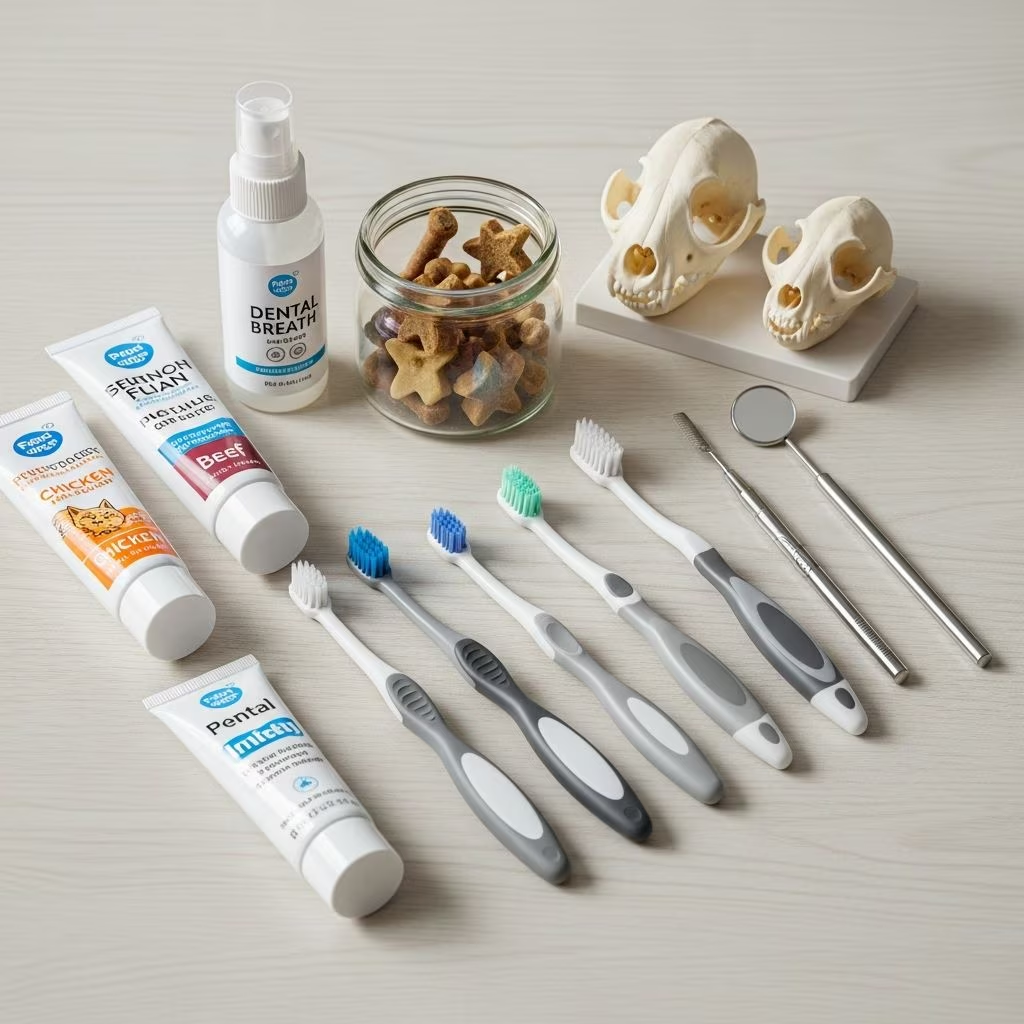
Maintaining proper oral hygiene is a cornerstone of overall pet wellness for dogs and cats, helping to avert common issues like plaque accumulation and periodontal disease that affect millions of animals annually. By integrating targeted brushing routines with pet-formulated products, owners can significantly enhance their companions’ quality of life and reduce veterinary expenses over time.
The Critical Role of Oral Health in Pets
Dogs and cats frequently encounter dental challenges due to their dietary habits and anatomy, where food particles cling to teeth and foster bacterial growth. Statistics from veterinary authorities reveal that a substantial proportion of pets develop oral problems early in life, underscoring the need for proactive care. Plaque, a soft bacterial film, hardens into tartar if not addressed, leading to inflammation, discomfort, and potential systemic complications such as impacts on vital organs.
Beyond local mouth issues, unchecked dental bacteria can enter the bloodstream, contributing to conditions affecting the heart, liver, and kidneys. This connection highlights why routine home care ranks as one of the most effective preventive measures recommended by dental specialists. Establishing these habits early promotes not only cleaner teeth but also fresher breath and improved eating comfort, fostering a happier pet.
Why Specialized Products Matter for Pets
Human oral care items pose serious risks to animals because of ingredients like fluoride and xylitol, which can cause toxicity upon ingestion—a common occurrence during brushing sessions. Pet-specific formulations avoid these dangers, incorporating enzymes that target plaque and bacteria mechanically while offering palatable flavors such as poultry or seafood to encourage cooperation.
- Enzymatic action dissolves organic debris without harsh chemicals.
- Non-foaming bases prevent upset stomachs if licked.
- Flavor profiles mimic treats, easing the introduction process.
Brushing mechanics alone provide substantial benefits by physically dislodging buildup, yet combining this with enzymatic toothpaste amplifies results, as supported by clinical observations from veterinary practices. This synergy makes home maintenance a viable alternative or complement to professional cleanings.
Selecting Optimal Toothpaste Options
Navigating the array of pet toothpastes requires attention to safety certifications, active ingredients, and species-specific needs. Prioritize products endorsed by bodies like the American Veterinary Dental College for proven efficacy. For dogs, poultry or peanut butter varieties often prove most appealing, while cats respond well to fish-based options due to their preferences.
| Product Type | Key Features | Best For |
|---|---|---|
| Enzymatic Poultry | Breaks down plaque; fluoride-free | Dogs of all sizes |
| Seafood Gel | Gentle on sensitive gums; tartar control | Cats |
| Vanilla Mint Paste | Breath freshening; safe swallow | Puppies/Kittens |
Consult your veterinarian for tailored suggestions, especially for pets with existing conditions. Avoid gels lacking clear enzymatic profiles, as they may offer minimal mechanical support.
Choosing the Perfect Brushing Tools
The right brush complements toothpaste by reaching all tooth surfaces without causing injury. Soft-bristled pet brushes, finger wraps, or even pediatric human versions suit most animals, with size scaling to mouth dimensions—smaller for felines and toy breeds.
- Finger brushes enable precise control for beginners.
- Dual-ended designs access outer and inner surfaces efficiently.
- Rubber tips provide gentle massage for resistant pets.
Harsh human brushes risk gum abrasion, so opt for nylon or silicone alternatives designed for animal enamel. Consistency in tool selection builds pet familiarity, turning sessions into positive rituals.
Step-by-Step Guide to Effective Brushing
Initiate training gradually to build tolerance, starting with touch acclimation before introducing tools. Aim for sessions lasting 30-60 seconds initially, progressing to full coverage.
- Prepare Supplies: Gather toothpaste, brush, treats, and a quiet space.
- Flavor Introduction: Let your pet lick paste off your finger to associate it positively.
- Gentle Lifting: Raise lips to expose teeth, praising calm behavior.
- Circular Motions: Focus on outer surfaces from back molars forward, angling 45 degrees to the gumline.
- Reward Immediately: End with affection and a treat to reinforce.
For inner surfaces, use your finger or a long-handled brush. Brush 2-3 times weekly minimum for dogs, twice for cats, ideally daily for optimal results. Track progress via breath quality and visible tartar reduction.
Overcoming Common Brushing Challenges
Resistance is typical at first, but persistence yields acceptance in most cases. If aversion persists, incorporate play—use flavored swabs or integrate into mealtime routines. Senior pets or those with pain may require veterinary pain management first.
Alternative aids like dental chews or water additives support brushing but lack its direct efficacy. Monitor for signs of distress, such as drooling or pawing, and adjust pressure accordingly. Patience transforms reluctance into routine within weeks.
Long-Term Advantages of Consistent Care
Dedicated owners report fewer professional interventions, with regular brushing slashing dental procedure needs by promoting gum vitality and enamel integrity. This practice not only curbs costs—often thousands per cleaning—but extends lifespan by mitigating bacteria-linked illnesses.
Fresh breath signals thriving oral flora, while visible plaque decline affirms success. Pair with annual vet exams for comprehensive monitoring, ensuring early detection of issues.
Frequently Asked Questions
Can I skip toothpaste and just use a brush?
The mechanical action of brushing holds primary value, yet toothpaste enhances bacterial control. Studies affirm brushing alone benefits health markedly.
How often should I brush my pet’s teeth?
Target daily for peak prevention; 3 times weekly suffices minimally for dogs, twice for cats.
Is dental disease reversible at home?
Home care prevents and manages early stages but cannot remove established tartar—professional scaling is essential then.
What if my pet swallows toothpaste?
Pet formulas are engineered for safe ingestion, unlike human variants containing toxins.
Do puppies and kittens need brushing?
Yes, from eruption of adult teeth around 6 months, using milder pastes to instill lifelong habits.
Integrating Dental Care into Daily Life
Embed brushing within evening wind-downs for seamless adoption. Combine with diet tweaks—kibble promoting chewing aids natural cleansing. Track via apps or calendars, celebrating milestones to sustain motivation. This holistic approach yields pets with enduring, pain-free smiles.
References
- Here’s Why You Should Add Pet Toothpaste to Your Furry Friend’s Oral Hygiene Routine — Veterinary Dental Care. 2023. https://veterinarydentalcare.com/heres-why-you-should-add-pet-toothpaste-to-your-furry-friends-oral-hygiene-routine/
- The Importance of Brushing Your Dog’s and Cat’s Teeth — Tribeca Vet Dentistry. 2024. https://www.tribecavetdentistry.com/post/the-importance-of-brushing-your-dog-s-and-cat-s-teeth-a-guide-to-keeping-your-pets-smiles-healthy
- Oral Home Care Recommendations for Dogs & Cats — WellPets. 2023. https://www.wellpets.com/blog/181-oral-home-care-dogs-cats/
- Best Toothpastes for Dogs and Cats — Dwight Vet. 2024. https://www.dwightvet.com/best-toothpastes-for-dogs-and-cats/
- Tooth Brushing For Dogs & Cats — Hills Vets. 2023. https://hillsvets.co.uk/toothbrushing-for-dogs-and-cats/
- Choosing the Best Toothpaste and Brush for Your Dog and Cat — Fetch A Vet. 2024. https://www.fetchavet.com/blog/choosing-the-best-toothpaste-and-brush-for-your-dog-and-cat-a-guide-from-fetch-a-vet
- What are the Benefits of Brushing a Dog’s Teeth? — Animal Dental AZ. 2023. https://animaldentalaz.com/benefits-of-brushing-a-dogs-teeth/



